
Understanding the Arab Middle East – Identity, Culture and Values
Arab identity is shaped by shared language, history, religion and deeply held cultural values. This blog explores the principles that unite the region, such as family, hospitality and honour, offering insight into what drives behaviour and relationships in Arab societies.
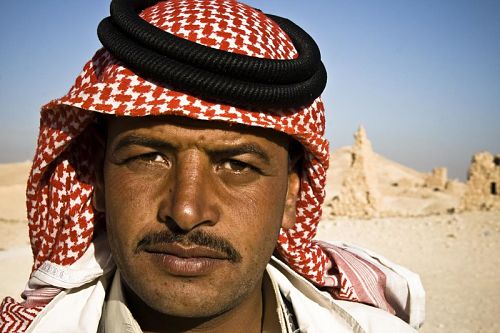
Key Cultural Values That Shape Arab Society
An integral part of our Middle East cultural awareness training is helping people under the Arab culture better and the drivers behind it.
As with any people, the Arabs look to the past for their sense of identity. Arab history is tied to tribalism and the nomadic life of the desert. Although in most places the nomadic lifestyle has all but disappeared, the influence of the desert and especially the importance of tribal identity are still prominent today.
If you’re working in the Arab world or with people from the Middle East, it’s really useful to understand some of the key values in their culture and identity. So, we’re going to look quickly at 3 aspects of the culture it’s really important to appreciate.
3 Important Aspects of Arab Culture
1. Tribal Identity and Its Influence on Arab Culture
Across the Middle East, old tribal traditions are still visible.

Photo by Robert Haandrikman (Flickr CC BY 2.0) shows an Emirati man training his falcon in the deserts of the UAE.
Hunting with birds of prey, the herding of goats, camel racing, poetry, dances and much more are still practised today as ways of linking back to the nomadic past.
The desert life is romanticised and glorified, and the Arabs identify with it on many levels.
Tribal names to this day help identify who you are, your ancestry, and your position within the local hierarchy. Tribal connections, alliances, and intermarriages are still vital to developing networks and pooling resources.
Do not be surprised if someone in the region shows you where certain tribal lands start and end; to this day, the name of a tribe, its honour, history, land, and wealth still carry a lot of importance.
2. Core Arab Cultural Values and Social Traditions
The Arabs’ roots in tribalism today translate into many values, customs, and behaviours.

This photo by Joey Coleman (Flickr CC BY 2.0) in Qatar shows the typical style of houses (known as ‘villas’) that locals tend to live in. They usually have many floors with extended family living on separate floors, yet together.
The extended family, for example, is still the most common set-up with married couples and kids living with parents and grandparents in large houses.
In some neighbourhoods, you may find whole families populating certain streets or a series of villas, as most people tend to live close to their families. Free time, weekends, and leisure are usually mainly spent with the family.
As a result, families in the Middle East are very tight with loyalty to the family outweighing any other. Families are usually run by an elder male who makes decisions for the rest; their decisions are respected and adhered to as a matter of honour.
3. The Importance of Family and Loyalty in Arab Society
One of the characteristics of many family-centred cultures is that of favouritism and nepotism.

From politics to business, Arabs prefer to keep things in the family. Photo of Saudi Arabia’s Crown Prince Muhammad bin Salman by U.S. Secretary of Defense (Flickr CC BY 2.0)
The Middle East is no different in that people prioritise their families first and use a complex system of bartering favours in order to help family members.
For example, an uncle with the ability to secure a job for his nephew would see it as a failure if he did not try to influence or help in securing the job.
Similarly, sometimes rules and red tape can be bypassed if you have the right family connections working in the right places. The tendency to favour family essentially comes down to trust. A family member will always be considered more loyal, trustworthy and compliant than a non-family member.
Understanding Cultural Values When Working in the Arab World
Understanding the cultural foundations of Arab society helps international professionals build stronger relationships across the Middle East. Values such as tribal identity, family loyalty, honour, and trust based networks often influence how business relationships develop and how decisions are made.
While many countries share these cultural influences, each also has its own workplace norms and business practices. To explore these differences further, see our guides to Saudi business culture and doing business in the UAE.
Photo by Marc Veraart on Flickr (CC BY 2.0)
Develop Your Cultural Awareness of the Middle East
Understanding the cultural values that shape Arab societies can make a significant difference when working with colleagues, clients, and partners across the region. Professionals who develop cultural awareness are better equipped to build trust, communicate effectively, and navigate business relationships in Middle Eastern environments.
To explore these insights in more depth, take our Middle East Cultural Awareness eLearning Course, designed to help professionals understand Arab culture, business practices, and communication styles when working across the region.

You might also like these articles…

A Brief Introduction to Islam
Basics of Islam for Professionals Doing Business in Muslim Countries Contents hide Basics of Islam for Professionals Doing Business in Muslim Countries What is Islam?…

Essential Tips for Doing Business in The Middle East
Doing business in the Middle East? Success starts with cultural understanding. Explore key Arab values, etiquette and relationship dynamics.

Expat Culture Shock in the Gulf and Middle East
Moving to the Middle East for work? Culture shock is a common part of the expat experience. This article explores what to expect, from lifestyle…