
Angola Business Culture Guide
Understanding Angola business culture is essential for professionals working with Angolan colleagues, clients, or partners. Angola is a Portuguese speaking business environment shaped by hierarchy, trust, social courtesy, and the realities of a post war economy still influenced by oil, infrastructure development, and state linked institutions. While Luanda sits at the center of much of the country’s commercial life, expectations can still vary by region, background, and sector.
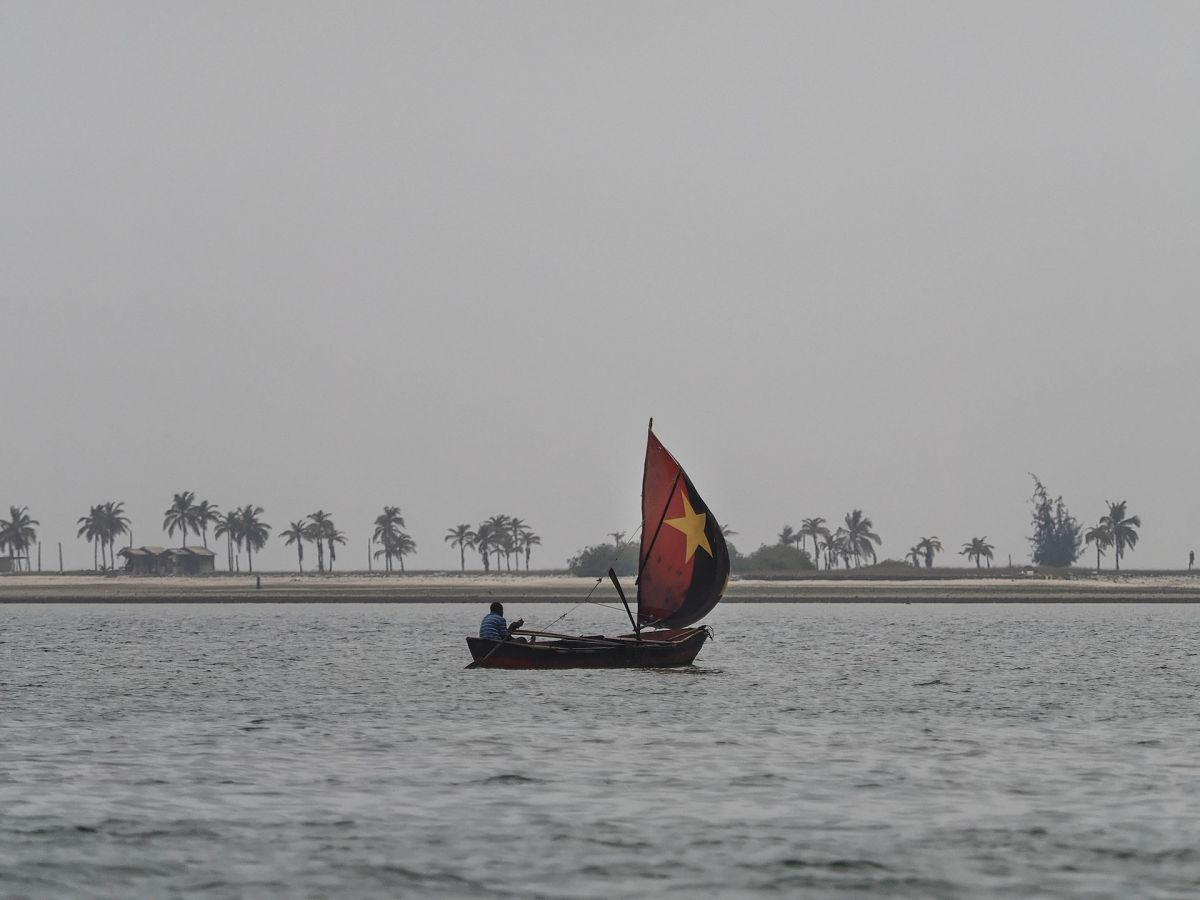
Angolan Business Culture: What International Professionals Should Know
Doing business in Angola means understanding more than formal procedures. It means recognizing how the Portuguese language, Lusophone influence, regional identities, hierarchy, and trust shape everyday professional interactions.
Angola’s long period of Portuguese rule left a deep mark on language, religion, and professional formality. At the same time, the legacy of civil war, rebuilding, and the central role of oil in the economy continue to shape how business is conducted today.
For many international professionals, Angola can feel both warm and formal at once. Meetings may begin with polite conversation and personal questions, yet progress often depends on senior approval, personal credibility, and patience.
As a cross cultural training company, we often see how foreigners can misread Angola by focusing only on what happens on the surface. A meeting may feel friendly, but that does not always mean trust has been established. A positive answer may sound encouraging, but that does not always mean a firm commitment has been made. The real skill is understanding how relationships, communication, and hierarchy work together.

When doing business in Angola, it is important to recognize that faith continues to shape many people’s values, daily routines, and sense of community, influencing how relationships are built and respect is expressed.
Key Insights into Angolan Business Culture
Angolan business culture blends formality, personal warmth, and clear social awareness. These are some of the key themes international professionals should keep in mind.
• Portuguese is the dominant business language and a major part of Angola’s professional identity
• Trust and relationship building often come before direct commercial progress
• Hierarchy, titles, and seniority carry weight
• Communication can be restrained or indirect, especially when the real answer may be negative
• Angola’s oil based economy and state linked institutions shape many business realities
• Hospitality and social courtesy remain important in both professional and social settings
Taken together, these factors mean that business in Angola is rarely purely transactional. It is shaped by who you know, how you communicate, and whether others see you as someone worth trusting over time.
Doing Business in Angola: Business Practices and Culture
Doing business in Angola requires more than technical preparation. It involves learning how trust, timing, hierarchy, and communication influence the pace and direction of business relationships.
Business Relationships in Angola
Relationships are central to business in Angola. While commercial logic and professional standards matter, many Angolans still prefer to work with people they know, trust, and feel comfortable with.
• Trust is often built through repeated interaction rather than a single meeting
• Introductions through known contacts can help establish credibility
• Personal rapport may influence how quickly opportunities move forward
• Social pleasantries are part of the relationship building process
• Reliability and consistency matter more than exaggerated promises
In practice, this means that trying to move too quickly to the deal can be counterproductive. Business often progresses more smoothly when people first feel comfortable with who they are dealing with.
Meetings and Business Interactions in Angola
Meetings in Angola often combine professional discussion with social engagement. Especially in the early stages, a meeting may be used as much to assess the person as the proposal.
• Initial meetings may focus on getting to know each other rather than business details
• Greetings and small talk are important and should not be rushed
• Meetings may feel fluid rather than tightly agenda driven
• Interruptions can happen and are not always seen as rude
• A formal tone is usually expected, especially in early interactions
Professionals from very task focused cultures can find this style slow. However, what may seem like delay is often part of the process of building familiarity, reading intent, and establishing trust.
Decision Making in Angolan Business Culture
Decision making in Angola is often shaped by hierarchy, seniority, and institutional influence. This is especially important in sectors linked to oil, infrastructure, public administration, or large scale projects.
• Senior figures usually hold the final authority
• Input may be gathered from others, but approval is often centralized
• Decisions may be made outside the meeting room
• Titles, status, and seniority can influence access and progress
• State linked structures may add further layers of approval
This is one of the areas where Angola’s broader business environment matters. The economy has long been shaped by centralized institutions and by the influence of powerful entities such as Sonangol, which helps explain why authority and access can be so important in practice.
Time and Scheduling in Angola
Time in Angola is important, but not always treated rigidly. Relationships, hierarchy, practical constraints, and local working realities can all affect pace and scheduling.
• Punctuality is appreciated in formal settings
• Meetings may begin later than expected or last longer than planned
• Relationship building may take priority over speed
• Follow up is often needed to maintain momentum
• Infrastructure and operational realities can affect planning and timing
Patience matters. In Angola, pushing too hard for immediate answers can weaken trust, while calm persistence often proves more effective in the long run.
Negotiation Practices in Angola
Negotiations in Angola are generally relationship led and can take time to unfold. They are often influenced by trust, status, and the need to build confidence between the parties.
• Negotiations may involve several rounds of conversation
• Decisions are often linked to senior approval
• Direct pressure tactics are rarely effective
• Trust and credibility support progress
• Clarifying details and expectations is important
A negotiation in Angola is rarely just about numbers or terms. It is also about whether the other side sees you as reliable, serious, and respectful in how you conduct yourself.

Angolan communication in business is often built through the same care and patience that goes into preparing fresh food, where time, conversation, and attention to people help create trust and stronger relationships.
Communication Style in Angolan Business Culture
Communication in Angola is shaped by formality, courtesy, and social awareness. While conversations can be warm and expressive, meaning is not always delivered in a blunt or literal way.
Language in Angolan Business Culture
Language is one of the clearest ways Angola stands apart from many other African business environments. Portuguese is the official language and the dominant language of public and professional life.
• Portuguese is the main language of business and administration
• Bantu languages such as Kimbundu, Umbundu, Kikongo, Chokwe, Kwanyama, and Ngangela remain important in wider society
• Younger generations increasingly use Portuguese in everyday life
• English is not the default business language
• Using even basic Portuguese can help build rapport
For many international professionals, language is one of the first practical barriers they encounter. Even where English is spoken, making some effort with Portuguese can strengthen credibility and show respect.
Indirect Communication and Polite Responses
Communication in Angola can be restrained, particularly when the message could cause discomfort or disappointment. This means foreigners sometimes hear what sounds like agreement when the real message is more cautious.
• People may say what they think the other person wants to hear
• A “yes” may reflect politeness rather than firm commitment
• Negative answers may be softened or avoided
• Evasion or half statements can signal hesitation
• Asking for specifics can help create shared understanding
This does not mean Angolans are unclear communicators. It means communication is often shaped by courtesy, respect, and the desire to avoid unnecessary tension.
Non Verbal Communication and Personal Space
Meaning in Angola is also carried through gesture, distance, tone, and eye contact. These cues are important in understanding how messages are being delivered.
• Head and arm gestures may be used to emphasize messages
• Conversations may take place at a closer distance than some foreigners expect
• Direct eye contact can suggest sincerity between peers
• More indirect eye contact may show respect toward senior figures
• Gender and regional context can affect what feels appropriate
For international professionals, the key is observation. How something is said, and how the other person behaves while saying it, often matters as much as the words themselves.
Building Clarity When Working With Angolans
Because communication can be indirect, clarity often needs to be built carefully rather than demanded directly.
• Confirm understanding after meetings
• Ask polite follow up questions
• Clarify specifics rather than relying on general assurances
• Summarize next steps in writing where appropriate
• Avoid putting others in a position where they must refuse bluntly
This approach helps reduce confusion while still respecting the tone and relationship dynamics that matter in Angolan business culture.

Angolan work culture often depends on teamwork, adaptability, and strong personal coordination, with people working closely together while balancing professionalism, hierarchy, and relationship building.
Workplace Culture and Values in Angola
Workplace culture in Angola reflects formality, social respect, and the importance of personal relationships. Even in modern offices, broader cultural expectations around age, authority, and behavior continue to influence how work is done.
Hierarchy and Respect in Angolan Workplaces
Hierarchy remains an important part of workplace culture in Angola. Authority is generally respected, and seniority often shapes how people interact.
• Senior figures are shown visible respect
• Titles and roles carry significance
• Junior employees may hesitate to challenge authority openly
• Formality is usually stronger in initial interactions
• Respectful behavior supports professional credibility
This means that workplace equality may not always look the same as in more informal or egalitarian business cultures. Even where teams appear friendly, underlying expectations around authority often remain clear.
Relationships, Trust, and Loyalty at Work
Trust is one of the most important currencies in Angolan workplaces. It influences not only how people collaborate, but also how quickly issues are resolved and how much openness exists within teams.
• Personal relationships can shape workplace cooperation
• Trust is built through consistency and dependability
• Loyalty is valued once relationships are established
• Personal credibility matters in day to day interactions
• Social warmth may coexist with professional formality
In Angola, people often work more effectively with those they know and trust. Investing in relationships is therefore not separate from work. It is part of how work gets done.
Community, Family, and Social Expectations
Like many societies, Angola places value on family, community, and wider social obligations. These influences can shape attitudes toward loyalty, support, and workplace relationships.
• Family and community often remain important parts of personal identity
• Social expectations can influence trust and obligation
• Personal networks may play a role in opportunities and access
• Respect for elders extends into professional contexts
• Courtesy and social awareness are highly valued
These themes do not mean every Angolan workplace operates in the same way. But they do help explain why business behavior is often influenced by more than formal job roles alone.
Regional and Cultural Diversity in Angola
Angola should not be treated as culturally uniform. Luanda dominates much of the country’s business life, but the wider national picture is more diverse.
• Luanda is the main commercial center
• Benguela, Huambo, Lobito, Cabinda, Namibe, and Kwanza all add to Angola’s regional diversity
• Ethnic and linguistic identities still matter
• Urban and rural norms may differ
• Business expectations can vary by sector and location
This is important because foreigners sometimes assume Angola can be understood through Luanda alone. In reality, the country’s regional and cultural variation adds important nuance to workplace behavior and business expectations.
Public Sector Influence and Formal Procedures
Angola’s economy has long been shaped by oil, state institutions, and large scale public structures. This affects how many businesses operate, especially in heavily regulated or strategically important sectors.
• Public sector influence remains significant
• Formal procedures may affect speed and access
• Documentation and approvals can matter greatly
• Bureaucracy can slow progress
• Patience and persistence are often required
For international professionals, this means business success often depends not only on market opportunity, but also on understanding process, authority, and institutional realities.
Management Style in Angola
Management in Angola is often shaped by hierarchy, personal authority, and relationship building. Leadership tends to carry expectations of direction and control, but also of personal credibility and social awareness.
Leadership Style in Angola
Leaders in Angola are generally expected to guide, decide, and provide direction. Authority tends to be respected, especially when linked to experience, competence, or status.
• Leaders are expected to make key decisions
• Authority is linked to position, experience, and credibility
• Professional distance may be greater than in very informal cultures
• Clear direction is often valued
• Personal reputation supports leadership strength
Leadership in Angola is not only about holding a title. It is also about how that authority is carried and whether the individual earns respect through conduct and competence.
Managing Teams in Angola
Managing teams effectively in Angola often requires a balance of structure, respect, and relationship awareness.
• Clear expectations help reduce uncertainty
• Respectful communication strengthens trust
• Building rapport can improve engagement
• Public embarrassment should be avoided
• Consistency is important to credibility
A manager who is overly distant may struggle to build trust. A manager who is too casual too quickly may weaken authority. The most effective style is usually respectful, calm, clear, and dependable.
Feedback and Workplace Conflict in Angola
Feedback needs to be handled carefully in Angola, especially where hierarchy and personal dignity are involved.
• Corrective feedback should be delivered privately
• Public criticism can damage trust
• Tone should remain calm and respectful
• Indirect approaches may sometimes work better than blunt confrontation
• Preserving dignity helps keep relationships intact
This does not mean difficult issues cannot be addressed. It means they are usually handled more effectively when delivered with tact and self control.
Challenges When Doing Business in Angola
Angola offers significant opportunities, particularly in sectors linked to oil, infrastructure, construction, and development. Yet foreign professionals can still face challenges if they misread the cultural and business environment.
• Building trust can take time
• Indirect communication may create misunderstandings
• Decision making may be slower than expected
• Hierarchy can make authority less visible to outsiders
• Bureaucracy and formal procedures can delay progress
• Language can be a practical barrier where Portuguese dominates
• Regional differences can influence expectations and behavior
The challenge for many foreigners is not that Angola is inaccessible. It is that success often depends on reading the environment properly and adapting to how business actually works on the ground.
Tips for Doing Business in Angola
Working effectively in Angola usually depends on cultural awareness, patience, and a strong sense of professionalism.
• Invest time in relationship building
• Show respect for hierarchy and seniority
• Use Portuguese where possible, even at a basic level
• Avoid overly aggressive or rushed approaches
• Be patient with process and timing
• Treat hospitality and social courtesy as part of the business relationship
• Pay attention to regional and sector differences
These adjustments may seem small, but together they can make a major difference to how you are perceived and how smoothly business progresses.
Business Etiquette in Angola
Business etiquette in Angola reflects formality, courtesy, and respect for social norms. First impressions matter, and how you greet, speak, and present yourself can influence how seriously you are taken.
Greetings and First Impressions in Angola
Greetings in Angola are important and should be handled with care. They are not simply a ritual, but part of how respect and attention are shown.
• Handshakes are the most common greeting
• Greetings are usually polite and not rushed
• It is common to ask about health, family, or general wellbeing
• Elders and senior figures should be greeted first
• A slight bow may be used toward someone older or more senior
The tone of the greeting matters. A calm, courteous, and attentive introduction helps set a positive foundation for the relationship.
Names, Titles, and Respect
Titles and status carry weight in many Angolan professional settings, especially in formal or official environments.
• Use professional titles where known
• Titles and surnames are appropriate in early interactions
• Seniority should be acknowledged respectfully
• Government officials may be addressed very formally
• It is best not to become too informal too quickly
This is one of the clearest ways Angola signals that professionalism is tied to respect and social awareness, not just competence alone.
Business Card Etiquette in Angola
Business cards are expected in professional settings, especially from foreign visitors, even if they are not handled with elaborate formality.
• Business cards are commonly exchanged
• Present your card so it is readable to the recipient
• Titles should be clearly displayed
• Cards should be handled respectfully
• Having a professionally prepared card supports credibility
Business cards may be simple, but they still form part of the first professional impression you make.
Business Dress in Angola
Appearance matters in Angola. Dress is one of the visible ways professionals show seriousness and respect.
• Business attire is generally formal and conservative
• Men often wear suits in formal settings
• Women should dress professionally and modestly
• Looking polished and prepared supports credibility
• It is better to be slightly overdressed than too casual
A professional appearance signals that you understand the importance of occasion, status, and respect in Angolan business culture.
Social Etiquette and Cultural Norms in Angola
Social etiquette in Angola is closely connected to hospitality, courtesy, and relationship building. These norms can influence business interactions more than many foreigners initially expect.
Hospitality in Angola
Hospitality is an important part of Angolan social life and can also play a role in business relationship building.
• Offers of food, coffee, or conversation should be received politely
• Social warmth is often part of relationship building
• Hospitality may continue outside formal meetings
• Respect for the host is important
• Gratitude should be shown openly
Hospitality is not just a social extra. In many cases, it is one of the ways goodwill and trust are expressed.
Dining Etiquette in Angola
Meals and social gatherings can be important spaces for relationship development. Local expectations may vary by setting, but respect and attentiveness matter throughout.
• Social meals may be used to strengthen relationships
• In some settings, food may be served from a communal bowl
• The eldest person may be expected to begin first
• Hosts may encourage guests to eat more
• Business may not be discussed immediately in social settings
For many foreign professionals, the key is to observe, follow the lead of the host, and treat the shared meal as part of the wider relationship, not simply as a side event.
Gift Giving Etiquette in Angola
Gift giving is not the central feature of business culture in Angola, but it can still be appropriate in some social contexts.
• Small gifts for a host may be appreciated
• Fruit, flowers, or chocolates are generally suitable
• A gift for children may also be welcomed when visiting a home
• Gifts may not be opened immediately
• The gesture matters more than extravagance
As with many areas of Angolan etiquette, modesty and thoughtfulness usually work better than showiness.
Personal Space and Social Interaction
Social behavior in Angola may feel warmer and more physically expressive than in some other professional cultures.
• People may stand relatively close during conversation
• Friends may embrace or give a friendly back slap
• Eye contact can vary according to age, gender, and context
• Warmth and courtesy often go together
• Following local cues is the safest approach
Professionals who stay observant and adaptable usually find it easier to read what feels appropriate and respectful in each setting.
Religion and Language in Angola
Religion and language are both important parts of understanding Angola. They provide context for social values, communication, and wider cultural expectations.
Religion in Angola
Religion continues to shape many aspects of social and personal life in Angola. Christianity is widespread, but indigenous beliefs and spiritual traditions also remain part of the broader cultural picture.
• Roman Catholicism has had strong historical influence
• Protestant communities are also significant
• Indigenous beliefs and ancestor related traditions still exist in parts of society
• Religion can shape values around family, respect, and community
• Religious identity may be visible in everyday life more than in formal business discussion
For business professionals, the most important point is not theology, but awareness. Religion helps shape the wider social environment in which business relationships develop.
Language in Angola
Language is one of Angola’s most important cultural markers and one of the clearest practical issues for foreigners.
• Portuguese is the official language
• Portuguese is dominant in administration, education, and business
• Bantu languages remain part of Angola’s wider cultural identity
• Younger generations are increasingly oriented toward Portuguese in daily use
• English cannot be assumed in many professional contexts
In Angola, language is not just a practical issue. It is also tied to identity, professionalism, and cultural respect. Even a modest effort with Portuguese can help create a stronger connection.
Key Facts About Angola
• Location: Southern Africa, bordering the South Atlantic Ocean, between Namibia and the Democratic Republic of the Congo
• Capital: Luanda
• Major cities and business centers: Luanda, Benguela, Huambo, Lobito, Cabinda, Namibe
• Official language: Portuguese
• Main religions: Roman Catholic, Protestant, indigenous and other beliefs
• Currency: Angolan Kwanza
• Government: Republic
Doing Business in Africa Cultural Awareness Course
If your teams are working across Angola or other African markets, our Africa Cultural Awareness Course offers a practical introduction to doing business on the continent, helping professionals understand communication styles, relationship building, workplace expectations, and the cultural dynamics that shape business success across Africa.
It is an ideal starting point for anyone who needs a broader understanding of how culture influences trust, hierarchy, meetings, and professional relationships when working across diverse African business environments.

You might also like these business culture guides…

Congo Business Culture Guide
Congolese Business Culture: What International Professionals Should Know Contents hide Congolese Business Culture: What International Professionals Should Know Key Insights into DRC Business Culture Understanding…

South Africa Business Culture Guide
South African Business Culture: What International Professionals Should Know Contents hide South African Business Culture: What International Professionals Should Know Key Insights into South African…

Kenya Business Culture Guide
Kenyan Business Culture: What International Professionals Should Know Contents hide Kenyan Business Culture: What International Professionals Should Know Key Insights into Kenya Business Culture Doing…