
Bahrain Business Culture Guide
Doing business in Bahrain requires an understanding of relationships, communication, and cultural expectations that shape professional interactions. While the country is one of the Gulf’s more open and internationally connected economies, success still depends on trust, respect, and the ability to navigate a relationship-driven business environment.
Bahraini Business Culture: What International Professionals Should Know
Understanding Bahraini business culture is essential for professionals working with Bahraini clients, colleagues, or partners. As a regional financial hub with a diverse and internationally exposed workforce, Bahrain blends traditional Arab values with a more open and accessible business environment than many neighbouring countries.
For international professionals, the key to success lies in balancing professionalism with relationship-building. Business is rarely purely transactional, and trust, communication style, and personal reputation all play a central role in how work gets done.
Developing cultural awareness helps you interpret behaviour more accurately, build stronger relationships, and approach business situations with confidence.
Our Middle East cultural awareness training course supports professionals working across cultures and equips them with the skills needed to succeed in Gulf business environments.
Key Insights into Bahrain Business Culture
Understanding a few core principles can help you navigate business interactions more effectively in Bahrain.
• Business is relationship driven, with trust developed through personal connections and repeated interaction
• Communication is often indirect, with politeness and diplomacy shaping how messages are delivered
• Hierarchies are important, with senior figures holding decision-making authority
• Bahrain’s business environment is more open and internationally influenced than many neighbouring Gulf countries
• Reputation matters in a relatively small business community where networks are closely connected
• Hospitality and respect play a key role in building long-term professional relationships

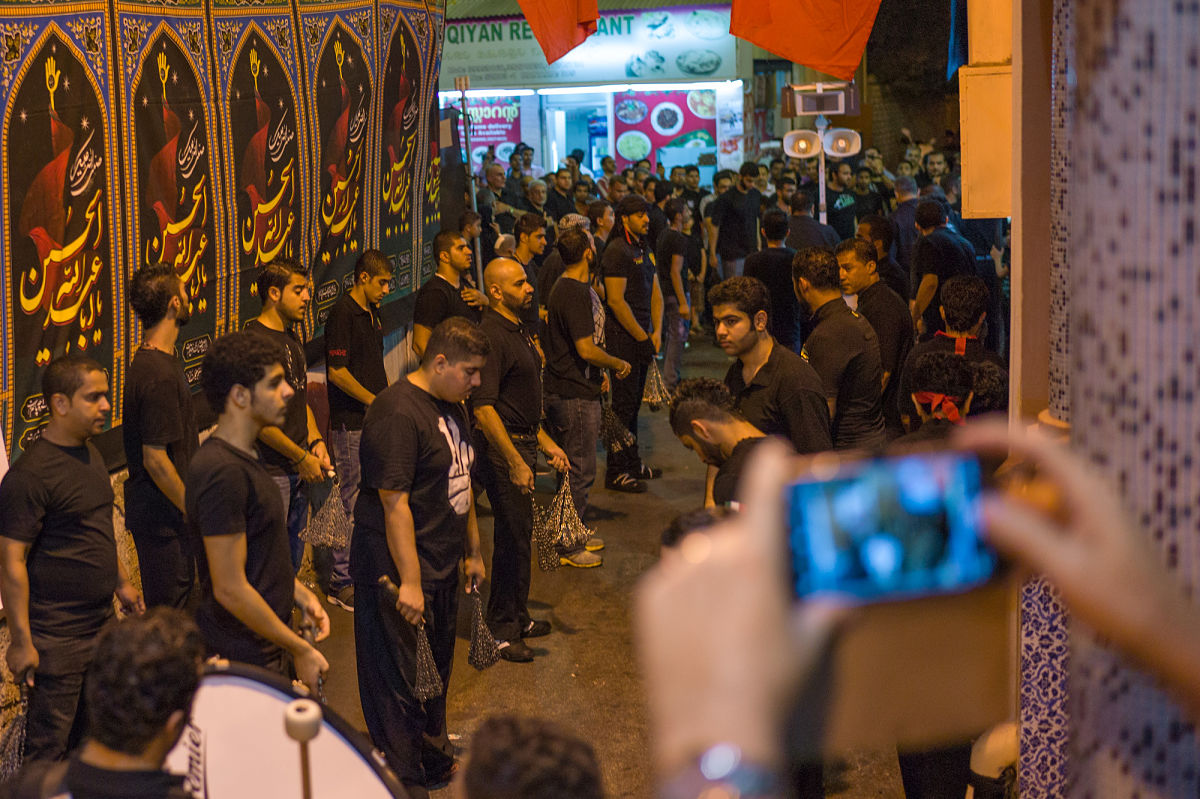
When doing business in Bahrain, formal ceremonies such as contract signings carry real significance – they are not just procedural, but reflect face, honour, and the importance of publicly affirming relationships and commitments. Photo by MEAPhotogallery (CC BY-NC-ND 2.0)
Doing Business in Bahrain: Business Practices and Culture
Doing business in Bahrain combines modern, internationally aligned practices with traditional relationship-based approaches. While processes may appear familiar, underlying expectations around trust and communication shape how business is conducted.
Building Relationships in Bahraini Business Culture
Relationships are central to business success in Bahrain. Establishing trust is often a prerequisite for meaningful commercial discussions.
• Initial meetings focus on getting to know people rather than immediate business outcomes
• Personal introductions and networks can help establish credibility
• Strong relationships support long-term collaboration and access to opportunities
Meetings and Business Interactions in Bahrain
Meetings often blend social and professional elements, particularly in the early stages of a relationship.
• Meetings typically begin with informal conversation before moving to business topics
• Agendas may exist but are not always strictly followed
• Interruptions are common and should be accepted as part of the business environment
Decision Making and Hierarchy in Bahrain
Bahraini organisations tend to be hierarchical, with decision-making authority concentrated at senior levels.
• Decisions are rarely finalised during initial meetings
• Senior leaders play a key role in approving outcomes
• Informal consultation may take place before final decisions are confirmed
Time, Patience, and Flexibility in Bahrain
Time is approached with greater flexibility than in many Western business environments.
• Meetings may run longer than expected or start later than scheduled
• Deadlines can be fluid, particularly in relationship-driven contexts
• Patience is essential to maintaining trust and credibility
The Negotiation Style in Bahrain
Negotiations in Bahrain are relationship-focused and often progress gradually.
• Negotiations may involve multiple discussions before reaching agreement
• Maintaining respect and harmony is more important than pushing for quick outcomes
• High-pressure tactics are likely to damage relationships
Communication in Bahraini Business
Communication in Bahrain is shaped by politeness, relationships, and a preference for maintaining harmony. Understanding how meaning is conveyed is key to avoiding misunderstandings.
Indirect Communication and Diplomacy in Bahrain
Communication is often indirect, particularly when addressing sensitive issues.
• People may avoid saying “no” directly
• Responses may be non-committal or open to interpretation
• Meaning is often conveyed through tone and context
Politeness and Saving Face in Bahrain
Maintaining respect and avoiding embarrassment are important in professional interactions.
• Disagreement is often expressed indirectly
• Public confrontation is generally avoided
• Feedback may be delivered privately or through intermediaries
Understanding Agreement and Commitment in Bahrain
Interpreting agreement can be challenging for those unfamiliar with the communication style.
• Positive responses may reflect politeness rather than firm commitment
• Clarification may be needed to confirm outcomes
• Following up privately can help ensure shared understanding
Adapting Your Communication Style in Bahrain
Adjusting your approach can improve clarity and strengthen relationships.
• Use a diplomatic and respectful tone
• Avoid overly direct or confrontational language
• Build rapport before focusing on business details
• Confirm understanding through conversation rather than blunt questioning
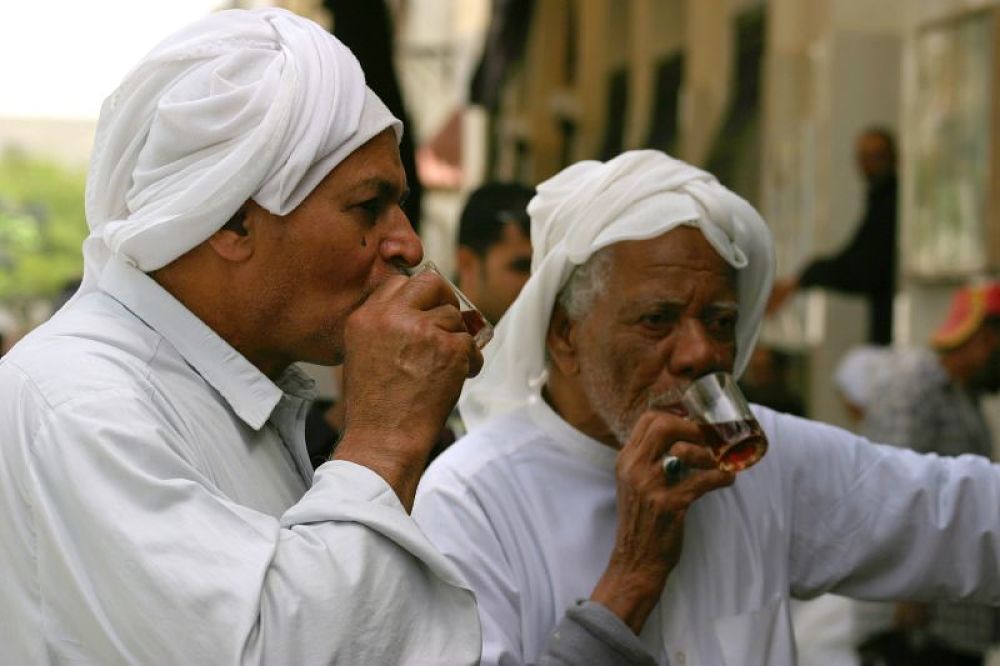
In Bahrain, sharing a cup of tea is deeply ingrained in business culture – taking the time to sit together over tea helps build trust, strengthen relationships, and set the tone for meaningful discussions. Photo by H. I. Alderazi (CC BY-NC 2.0)
Workplace Culture and Values in Bahrain
Workplace culture in Bahrain reflects a blend of traditional values and modern influences, shaped by relationships, trust, and a diverse workforce.
Relationships, Trust, and Reputation in Bahrain
Trust is central to how work gets done, and personal reputation plays a significant role.
• Strong relationships influence collaboration and decision making
• Reputation spreads quickly in a relatively small business community
• Consistency and professionalism help build credibility
Family, Networks, and Business in Bahrain
Family and social networks often play a role in business structures and decision making.
• Many organisations are influenced by family ownership or connections
• Hiring trusted individuals is common and culturally accepted
• Personal networks can shape business opportunities
The Role of Women in Bahrain’s Workforce
Compared to many countries in the region, women in Bahrain are more visible and active in professional environments.
• Women are well represented in many industries and professions
• Mixed-gender workplaces are common
• Professional interactions remain respectful and culturally aware
Balancing Formality and Openness in Bahrain
Bahrain’s business culture combines formality with a relatively open and approachable environment.
• Initial interactions may feel formal but become more relaxed over time
• Hospitality and friendliness are common in professional settings
• Relationships often evolve into more personal connections
Management Style in Bahrain
Management in Bahrain reflects hierarchy, relationship-building, and a focus on maintaining harmony within teams.
Hierarchical Leadership and Authority in Bahrain
Leadership structures tend to be top-down, with authority concentrated at senior levels.
• Senior leaders provide direction and make final decisions
• Respect for experience and position is expected
• Employees are less likely to challenge authority openly
Decision Making and Control in Bahrain
Decision making is often centralised, with outcomes shaped through both formal and informal processes.
• Decisions may be made outside of meetings
• Input may be gathered informally before final approval
• Processes can take time, particularly in complex organisations
Relationship-Based Leadership in Bahrain
Effective managers invest in building strong relationships with their teams.
• Trust and familiarity influence team performance
• Managers who build rapport tend to achieve better results
• Personal credibility supports leadership effectiveness
Challenges When Doing Business in Bahrain
Despite its relatively open and international environment, Bahrain’s business culture can present challenges for unfamiliar professionals.
• Indirect communication can make it difficult to interpret intent and commitment
• Relationship-first expectations may slow down initial business progress
• Decision making can feel delayed due to hierarchy and consultation
• Flexible attitudes towards time and deadlines may differ from more structured environments
• Reputation is critical, and negative impressions can spread quickly in a small business community
Tips for Doing Business in Bahrain
Adapting to Bahrain’s relationship-driven and culturally nuanced environment can significantly improve your effectiveness.
• Invest time in building relationships before focusing on business outcomes
• Communicate with diplomacy and avoid overly direct language
• Be patient and allow discussions and decisions to develop naturally
• Learn to interpret responses rather than taking them at face value
• Show respect for hierarchy, titles, and seniority
• Maintain a professional appearance to support credibility
• Protect your reputation by acting consistently and respectfully
• Use introductions and networks to build trust and access opportunities

In Bahrain, etiquette and social norms are strongly influenced by Islamic values, shaping expectations around behaviour, respect, hospitality, and interactions in both social and business settings. Photo by Omar Chatriwala (CC BY-NC-ND 2.0)
Business Etiquette in Bahrain
Understanding business etiquette helps reinforce professionalism and build trust in Bahraini business environments.
Greetings and Introductions in Bahrain
• Greetings are warm and often involve extended conversation
• Handshakes are common between men; follow cues in mixed settings
• Use titles and first names unless invited to be more informal
• Avoid rushing the greeting process
Meetings and Professional Conduct in Bahrain
• Meetings often begin with informal conversation and hospitality
• Interruptions are common and should be accepted
• Avoid appearing impatient or overly focused on time
• Allow discussions to develop naturally
Business Card Etiquette in Bahrain
• Business cards are exchanged with all contacts
• Ensure your title is clearly displayed
• Having one side translated into Arabic demonstrates respect
• Take time to review the card before putting it away
Dress Code in Bahraini Business Culture
• Business attire is conservative and professional
• Men typically wear suits
• Women should dress modestly and appropriately
• Dressing well supports credibility and respect
Gift Giving Etiquette in Bahrain
• Small, thoughtful gifts may be given when visiting homes
• Avoid giving alcohol
• Gifts are not usually opened immediately
• Present gifts respectfully and modestly
• Learn more about giving giving in the Arab world

Bahraini women play an increasingly visible and influential role in business, contributing across sectors while balancing professional ambition with cultural expectations shaped by tradition and modernity. Photo by ILO (CC BY-NC-ND 2.0)
Social Etiquette and Cultural Norms in Bahrain
Understanding social etiquette helps build stronger relationships and avoid misunderstandings outside formal business settings.
Hospitality and Social Expectations in Bahrain
• Hospitality is central to Bahraini culture
• Offers of coffee, tea, or food should be accepted
• Social interactions often involve extended conversation
• Generosity and warmth are highly valued
Visiting Homes and Social Gatherings in Bahrain
• Bringing a small gift is customary
• Shoes may need to be removed before entering
• Dress conservatively and respectfully
• Show respect to elders and hosts
Gender Norms and Social Interaction in Bahrain
• Social interactions may vary depending on setting and formality
• Mixed-gender environments are common but should be approached respectfully
• Follow cues before initiating physical contact
• Behaviour should remain culturally aware
Dining Etiquette and Social Behaviour in Bahrain
• Meals are often shared and served family-style
• Eat with your right hand
• Expect generous portions and multiple offers of food
• Leaving some food indicates satisfaction
Religion and Language in Bahrain
Religion and language influence daily life and aspects of business culture in Bahrain, even within its relatively open and international environment.
Religion in Bahrain and Its Impact on Business
• Bahrain is a Muslim-majority country, with a Shia majority and Sunni leadership
• The working week typically runs Sunday to Thursday
• Friday is the main day of rest
• Ramadan affects working hours and business activity
Bahrain is known for being relatively open and tolerant within the region, with a diverse population contributing to its business environment.
Language in Bahrain Business Culture
• Arabic is the official language
• English is widely used in business and professional settings
• Many professionals are bilingual
• Other languages are spoken within the expatriate community
Key Facts About Bahrain
• Location: Middle East, archipelago in the Persian Gulf, east of Saudi Arabia
• Capital: Manama
• Population: Approximately 1.5 million
• Official language: Arabic
• Main religion: Islam (majority Shia, Sunni ruling leadership)
• Currency: Bahraini Dinar (BHD)
• Government: Constitutional monarchy
• Time zone: Arabia Standard Time (AST)
Cross Cultural Training for Doing Business in Bahrain and the Gulf
Success in Bahrain depends on understanding both local business culture and the wider Middle Eastern context, where relationships, communication styles, and shared values shape how business is done.
Explore our Middle East Cultural Awareness training course and develop the cross cultural skills needed to build trust, communicate effectively, and succeed in Bahrain and across the region.

You might also like these articles…

Essential Arabic for Doing Business
Planning a business trip to the Arab world? This article introduces 20 essential Arabic words and phrases to help you connect, show respect and navigate…

Honour, Face & Shame in Arab Culture
Understanding Honour in Arab Culture, the Gulf and Middle East Business Contents hide Understanding Honour in Arab Culture, the Gulf and Middle East Business Sharaf:…
The Culture of Time in the Arab World
Understanding Time in Arab Business Culture Contents hide Understanding Time in Arab Business Culture How Daily Prayers Shape Time in the Middle East The Role…