
Guatemala Business Culture Guide
Understanding Guatemalan business culture is essential for professionals working with colleagues, clients, suppliers, or partners in Guatemala City and across the country. This cultural awareness guide explores communication style, hierarchy, meetings, workplace values, etiquette, and practical tips for doing business in Guatemala.
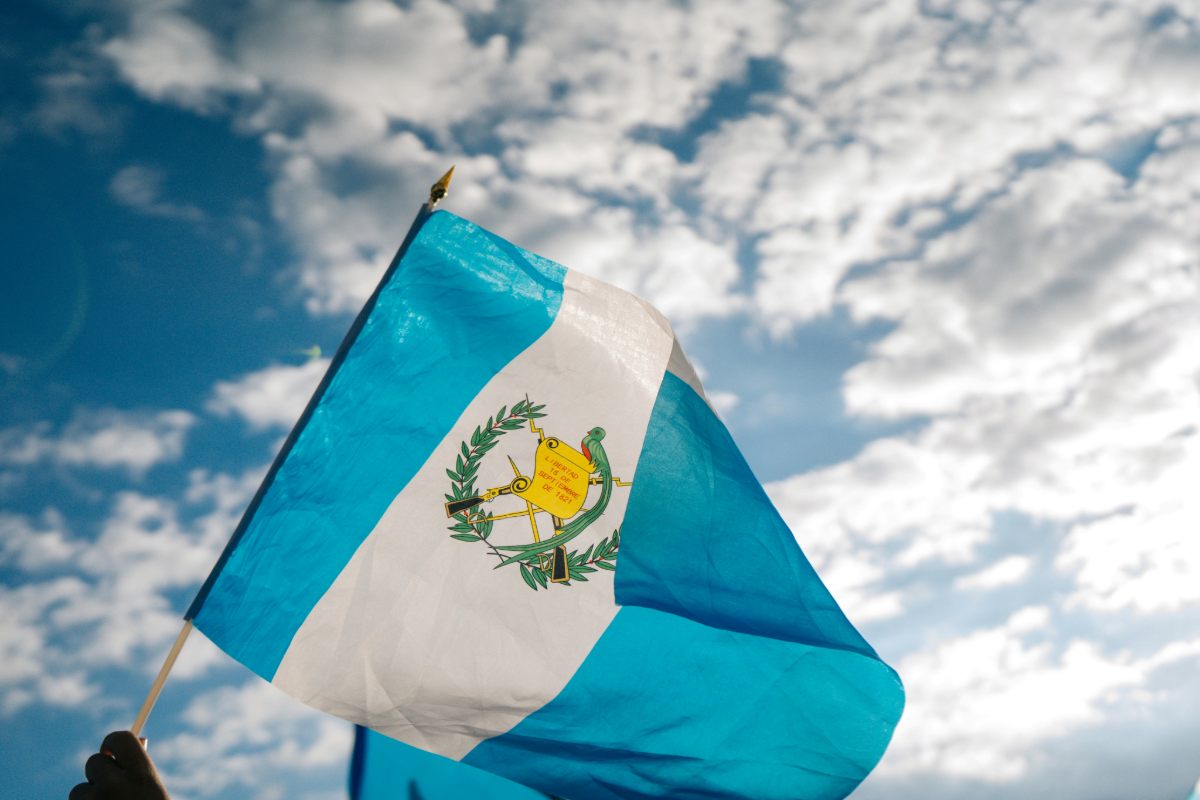
Guatemalan Business Culture: What International Professionals Should Know
In this guide, we will share some insights typical of our country specific cultural awareness training courses. Doing business in Guatemala involves much more than understanding formal procedures.
It requires awareness of how relationships, family, hierarchy, status, trust, and cultural identity shape professional life. In Guatemala, a strong proposal matters, but so does who introduces you, how you present yourself, and how patiently you build confidence.
Guatemala is culturally diverse. The country is home to Maya, Ladino, Garífuna, and Xinca communities, and Spanish exists alongside 22 Mayan languages. Business in Guatemala City, a.k.a. Guate, may feel very different from business in the highlands, rural markets, family companies, export agriculture, or Caribbean coastal communities.
For international professionals, the key is to avoid treating Guatemala as culturally uniform. Success depends on reading context carefully and adapting to the people, region, sector, and level of hierarchy involved.
Let’s explore more…
Key Insights into Guatemala Business Culture
Guatemalan business culture is relationship based, status aware, and strongly shaped by hierarchy and personal trust.
These are the main themes international professionals should keep in mind:
• Relationships often need to be built before serious business progress is made
• Trusted introductions can help create access and credibility
• Several visits may be needed before clear results appear
• Hierarchy and chain of command influence decision making
• Hora Chapina, or Guate Time, reflects a flexible approach to schedules
• Simpatía encourages tact, warmth, and non confrontation
• Contracts matter, but trust in the relationship remains central
• Red tape and bureaucracy may slow progress
Taken together, these factors mean that business success in Guatemala depends on more than process. It depends on trust, patience, hierarchy awareness, and the ability to interpret what is happening beneath the surface of a meeting.
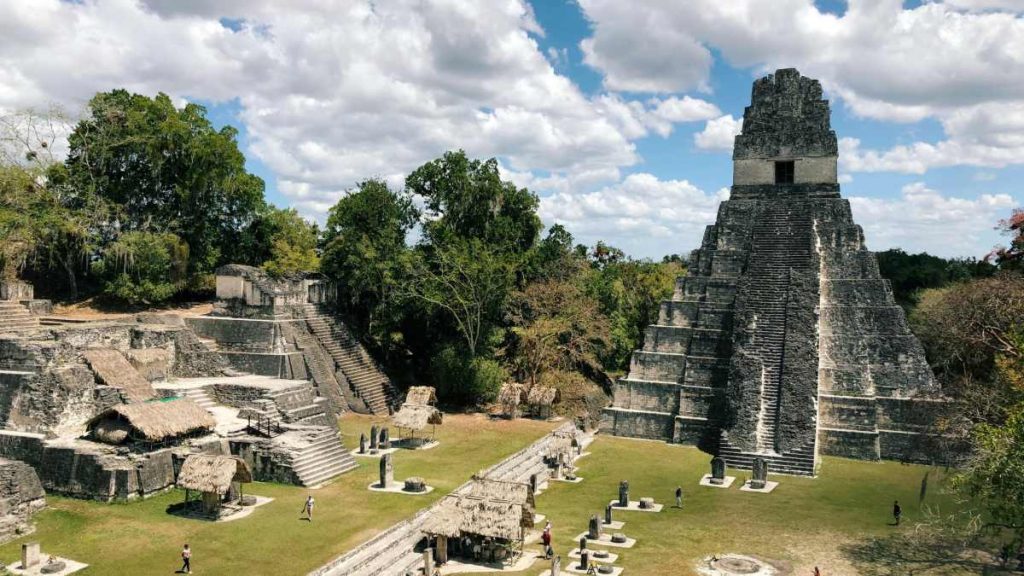
Guatemalan business practices are shaped by patience, hierarchy, and long term relationship building, much like the country’s ancient Maya sites, where visible structures only make sense when you understand the deeper systems of knowledge, authority, and community behind them.
Understanding Guatemala: Culture, History and Business Context
To understand business culture in Guatemala, it is important to understand the country’s diversity, history, and regional differences.
Guatemala is located in Central America and borders Mexico, Belize, Honduras, and El Salvador. It has Pacific and Caribbean coastlines, volcanic highlands, rainforests, market towns, rural communities, and ancient Maya sites such as Tikal.
Guatemala City, or Guate, is the country’s main commercial and professional center. It is where many national companies, government institutions, professional services, international organizations, and senior decision makers are based.
Important context for business includes:
• Guate is the main business, government, and professional hub
• Antigua is important for tourism, language schools, international visitors, and cultural heritage
• Quetzaltenango, also known as Xela, is an important highland city and cultural center
• Chichicastenango is closely associated with Maya markets and religious tradition
• Puerto Barrios and Livingston connect Guatemala to the Caribbean and Garífuna culture
• Lake Atitlán, Tikal, and El Petén are major cultural reference points
• Coffee, bananas, sugar, textiles, agriculture, tourism, remittances, and maquilas all shape economic life
• Maya identity remains central in many highland communities
• Ladino identity is more common in many urban and Spanish speaking contexts
• Garífuna and Xinca communities add further cultural diversity
Guatemala’s history also shapes the business environment. Spanish conquest, land inequality, plantation agriculture, foreign investment, civil war, migration, and the 1996 peace accords all influence how people understand trust, authority, opportunity, and social difference.
For international professionals, cultural awareness matters. Business practice in Guatemala City may not tell you everything about how relationships, communication, and decisions work elsewhere in the country.
Doing Business in Guatemala: Business Practices and Culture
Doing business in Guatemala requires patience, relationship building, and an understanding of how formal authority interacts with personal networks.
Business processes, contracts, and meetings all matter. However, they usually work best when supported by trust, status awareness, local knowledge, and repeated personal contact.
Business Relationships in Guatemala
Relationships are central to how business moves forward in Guatemala.
Guatemalan executives and businesspeople often place strong value on personal contact, trust, and long term relationships. A proposal may be commercially strong, but it will carry more weight when people feel comfortable with the person or organization behind it.
• Personal contacts can help create access and credibility
• Trusted introductions are often useful
• Face to face meetings are usually more effective than email alone
• Relationships should be maintained after the first meeting
• Regular contact helps show serious interest
• Family and social networks can influence trust and reputation
• Local representatives or partners can help maintain relationships on the ground
The idea of compadrazgo, linked to godparenthood and wider social obligation, is useful for understanding how trust can extend beyond the immediate family. Relationships with padrinos, compadres, and comadres reflect a wider social world where support and obligation are personal, not purely transactional.
In practice, a strong proposal becomes more persuasive when it is supported by familiarity, personal credibility, and visible commitment to the relationship.
Meetings and Appointments in Guatemala
Business meetings in Guatemala are often formal in appearance, but relationship building usually comes first.
Initial meetings may not move directly into business. Conversation about family, hometowns, travel, impressions of Guatemala, or shared contacts can help establish rapport before more detailed discussion begins.
• Arrange meetings in advance
• Avoid scheduling around major holiday periods, especially Christmas, New Year, and Easter
• Be cautious with Monday mornings and Friday afternoons
• Arrive on time as the visitor, even if local schedules are flexible
• Allow time for social conversation before business
• Do not rush the move into commercial detail
• Several visits may be needed before concrete progress appears
• Confirm next steps after the meeting in a respectful way
In practice, relationship building is part of the business process. A meeting that appears slow may be doing important work by creating familiarity and trust.
Time and Scheduling in Guatemala
Time in Guatemala can be understood more flexibly than in highly clock driven business cultures.
The phrase hora Chapina, or Guate Time, captures a more relaxed approach to schedules. This does not mean time is irrelevant. It means that traffic, weather, family obligations, social responsibilities, and the quality of interaction can affect how time is experienced.
• Visitors should still arrive on time
• Local counterparts may arrive later than expected
• Meetings may begin later or run longer than planned
• Guatemala City traffic can affect schedules significantly
• Weather, travel conditions, and family matters may cause delays
• Avoid showing irritation if plans shift
• Build contingency time into travel, meetings, and follow up
In practice, patience matters. Flexible timing should not automatically be read as lack of seriousness.
Decision Making in Guatemala
Decision making in Guatemala is usually shaped by hierarchy, seniority, and chain of command.
Discussions may feel warm and open, but final authority often sits with senior people. The person who speaks most in the meeting may not always be the person who can approve the next step.
• Senior leaders usually make final decisions
• Chain of command should be respected
• Decisions may be made after internal consultation
• Status and rank influence who has authority
• Similar status can matter in senior business interactions
• Junior employees may be cautious about speaking openly
• Positive discussion does not always mean final approval
In practice, it is important to understand who needs to approve a decision and who else must be consulted before progress can be confirmed.
Negotiation Style in Guatemala
Negotiation in Guatemala depends on seniority, trust, status, and patient relationship building.
Guatemalan negotiators may be warm and friendly, but this does not mean negotiations are casual. Rank, authority, and personal confidence in the relationship are all important.
• Send representatives of appropriate seniority
• Match status where possible
• Build relationships before pushing hard on details
• Avoid being overly critical or blunt
• Expect detailed discussion and patient exchange
• Final decisions may require senior approval
• Trust remains central, even where contracts are used
• Written agreements should be clear, but relationships need ongoing attention
In practice, negotiation is not only about terms. It is also about whether people trust you enough to do business with you.
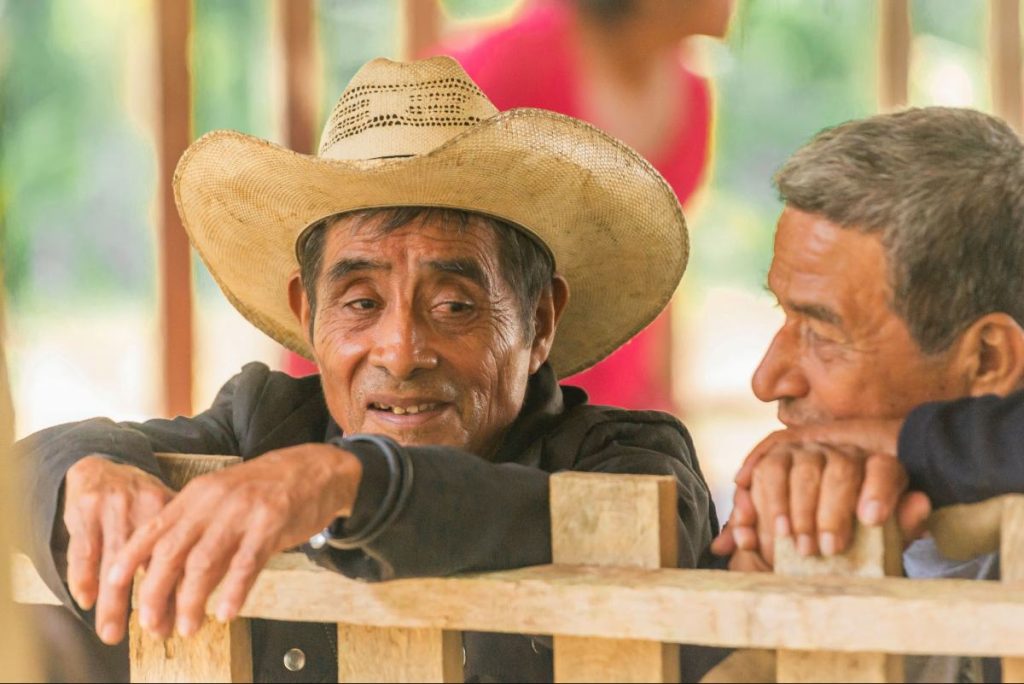
Guatemalan communication style depends heavily on who you are speaking with and where, as expectations around language, formality, directness, and hierarchy can differ noticeably between Guatemala City, rural communities, and Maya, Ladino, Garífuna, or Xinca settings.
Communication Style in Guatemala
Communication in Guatemala is often warm, polite, and relationship focused.
Meaning is shaped by tone, context, status, personal connection, and the desire to maintain smooth relationships.
Respect, Simpatía and Non Confrontation
Guatemalan communication is often shaped by respect, simpatía, and the wish to avoid open confrontation.
Simpatía reflects warmth, pleasantness, tact, and the ability to maintain positive interpersonal relations. It is important in both social and professional life.
• Politeness is important
• Smooth relationships are valued
• Disagreement may be softened
• Direct criticism can feel uncomfortable
• Public embarrassment should be avoided
• A calm and respectful tone matters
• Preserving the relationship can be as important as stating the point clearly
In practice, directness without sensitivity can damage trust. It is better to be clear, but tactful.
Cariño and Personal Warmth
The value of cariño helps explain the importance of warmth in everyday interaction.
Guatemalan communication often includes personal friendliness, small courtesies, and gestures that make others feel comfortable.
• Warm greetings matter
• Friendly conversation often comes before business
• Personal tone can matter as much as the message itself
• Small courtesies help build trust
• A cold or overly task focused style can create distance
• Hospitality and friendliness can signal respect
• Familiarity may grow gradually through repeated contact
In practice, warmth is not superficial. It is part of how people create trust and judge whether a relationship feels comfortable.
Social Conversation Before Business
In Guatemala, conversation often starts with people before it moves to the task.
Initial business conversations may include personal and social topics. This is part of relationship building, not a distraction from business.
• Do not rush straight into business
• Questions about family or place of origin may be part of rapport building
• Showing interest in Guatemala is usually appreciated
• The host may guide the shift from social conversation to business
• Shared contacts can help build trust
• Positive conversation can set the tone for later discussion
• A purely transactional approach may feel cold
In practice, social conversation helps people decide whether they feel comfortable working with you.
Body Language and Personal Space
Body language in Guatemala should combine formality, warmth, and respect.
First impressions matter, particularly in business settings where status and presentation are important.
• A handshake is common in business greetings
• Smile and make appropriate eye contact
• Speak in a calm and polite tone
• Avoid aggressive gestures or visibly impatient body language
• Personal distance may become closer once trust develops
• Touch on the arm or shoulder may appear in familiar relationships
• Formality remains important in first meetings
In practice, communication style should feel respectful, calm, and personable rather than rushed or overly direct.
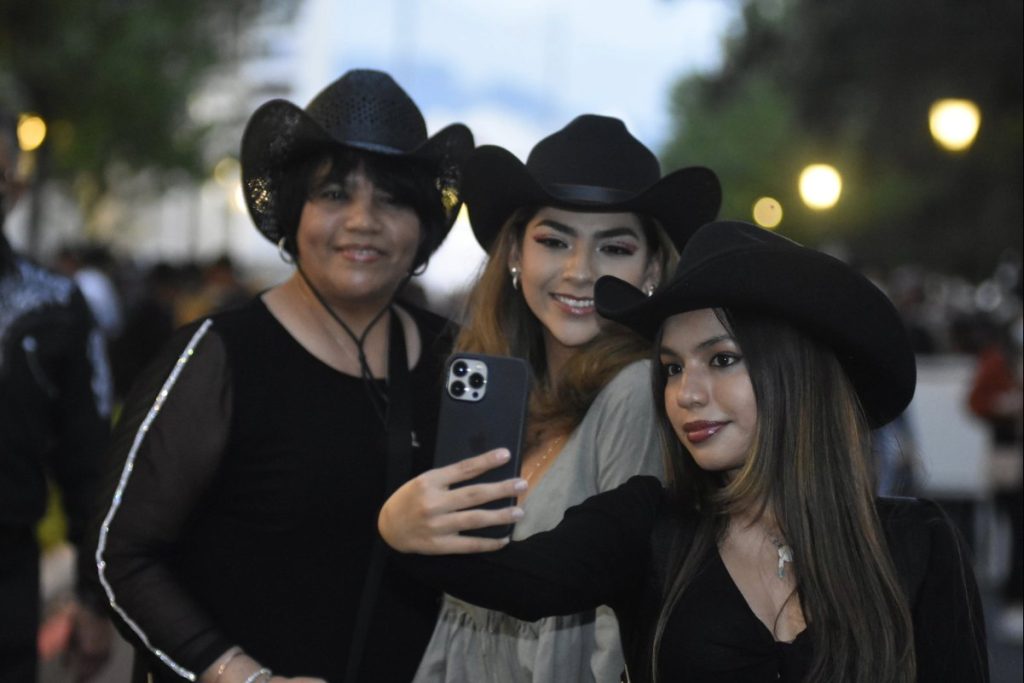
Among younger Guatemalans, especially in Guate, work culture can feel more digital, entrepreneurial, and informal, while still shaped by respect for hierarchy and family.
Workplace Culture and Values in Guatemala
Guatemalan workplace culture reflects family, hierarchy, trust, resilience, and adaptation.
Workplace expectations differ between Guatemala City, rural areas, Maya communities, family firms, export agriculture, maquilas, and international organizations.
Family, Trust and Social Obligations
Family is central to Guatemalan social and professional life.
Family ties influence trust, obligations, availability, and the way people think about responsibility. In family run businesses, personal relationships and company relationships may overlap.
• Family run businesses remain common
• Trust often develops through personal familiarity
• Social obligations can affect schedules and availability
• Loyalty and reputation matter
• Wider networks can influence introductions and cooperation
• Padrinos and compadrazgo reflect the importance of extended support networks
• Professional relationships may carry a personal dimension
In practice, understanding the importance of family helps explain why business relationships in Guatemala are rarely purely transactional.
Hierarchy, Status and Professional Respect
Hierarchy and status play an important role in Guatemalan workplace culture.
Authority is often clearly understood, even if it is not always openly discussed. Seniority, titles, family background, education, and position can all influence how people interact.
• Senior people are shown respect
• Titles are important in formal settings
• Chain of command should be observed
• Junior employees may avoid open disagreement
• Status can influence who speaks and who decides
• Professional presentation affects credibility
• Formality may be stronger in traditional organizations
In practice, managers and visitors should avoid assuming that a warm or friendly workplace is automatically informal or egalitarian.
Work, Enterprise and Adaptation
Guatemalan work culture is shaped by adaptation, resilience, and multiple ways of making a living.
In the highlands, Maya communities have long combined markets, agriculture, textile production, trade, wage work, export crops, and family enterprise. Places such as San Francisco el Alto, Almolonga, and Chimaltenango show how local work patterns can connect tradition with commercial adaptation.
• Markets are important spaces for trade, identity, and community life
• Textiles and weaving connect work with culture and local pride
• Agriculture, coffee, vegetables, and export crops remain important
• Maquila work has changed some household economies
• Remittances influence family aspirations and spending
• The term naturales can reflect identity, belonging, and local pride
• Sube y baja, or seesaw, captures how economic fortunes can move up and down
In practice, tradition and entrepreneurship should not be seen as opposites in Guatemala. Many communities adapt economically while maintaining strong cultural identities.
Management Style in Guatemala
The management style in Guatemala is shaped by hierarchy, seniority, personal trust, and respect for authority.
Managers are usually expected to provide direction, maintain credibility, and understand how formal authority and personal relationships interact.
Leadership Style in Guatemala
Leaders in Guatemala are generally expected to hold authority clearly.
Respect for hierarchy means that employees may look to managers for direction, decisions, and guidance. However, effective leadership also depends on trust and personal credibility.
• Seniority and status matter
• Leaders are expected to guide decisions
• Authority should be exercised respectfully
• Personal trust strengthens leadership
• Family business settings may reinforce hierarchy
• Overly informal leadership can create confusion
• Respectful behavior supports credibility
In practice, effective leaders combine authority with warmth and relationship awareness.
Decision Making and Authority in Guatemala
Decision making usually sits with senior people and follows the chain of command.
Consultation may happen, but final authority is usually clear. This can affect meetings, project timelines, and negotiation processes.
• Final decisions often rest with senior leaders
• Approval may happen after the meeting
• Chain of command should be respected
• Rank and status influence access
• Senior level interactions may require equivalent seniority
• Identifying the decision maker is essential
• Follow up should be clear but respectful
In practice, progress depends on knowing where authority sits and giving the process enough time to move through the right channels.
Managing Guatemalan Teams
Managing Guatemalan teams requires clarity, respect, and sensitivity to social context.
Managers should not assume that one approach will work equally across Guatemala City, highland communities, family businesses, international companies, and rural operations.
• Build personal trust with team members
• Give clear direction and expectations
• Respect hierarchy and role boundaries
• Avoid public criticism
• Give feedback privately and tactfully
• Be sensitive to language, region, identity, and status
• Recognize that family obligations may affect availability
• Do not assume workplace expectations are the same across all regions
In practice, managers who combine structure with personal awareness are more likely to build loyalty and cooperation.
Challenges When Doing Business in Guatemala
Guatemala can be a rewarding market, but international professionals may face challenges if they underestimate the social and cultural side of business.
Common challenges include:
• Building relationships takes time
• Too much reliance on email can slow trust building
• Friendly meetings may be mistaken for firm progress
• Several visits may be needed before results appear
• Hora Chapina and rescheduling can affect timelines
• Red tape and bureaucracy can slow progress
Most challenges come from misreading what is happening. Success depends on understanding how trust, authority, time, and communication work in context.
Tips for Doing Business in Guatemala
Working effectively in Guatemala usually depends on patience, trust, and respect for hierarchy.
Practical tips include:
• Build relationships before pushing proposals
• Use trusted introductions where possible
• Meet face to face rather than relying only on email
• Keep contacts active after initial meetings
• Respect hierarchy and chains of command
• Send senior representatives to important meetings
• Use titles until invited to be more informal
• Avoid blunt criticism or public disagreement
• Use Spanish and learn basic courtesy phrases
These adjustments help show respect, build trust, and reduce the risk of misunderstanding.
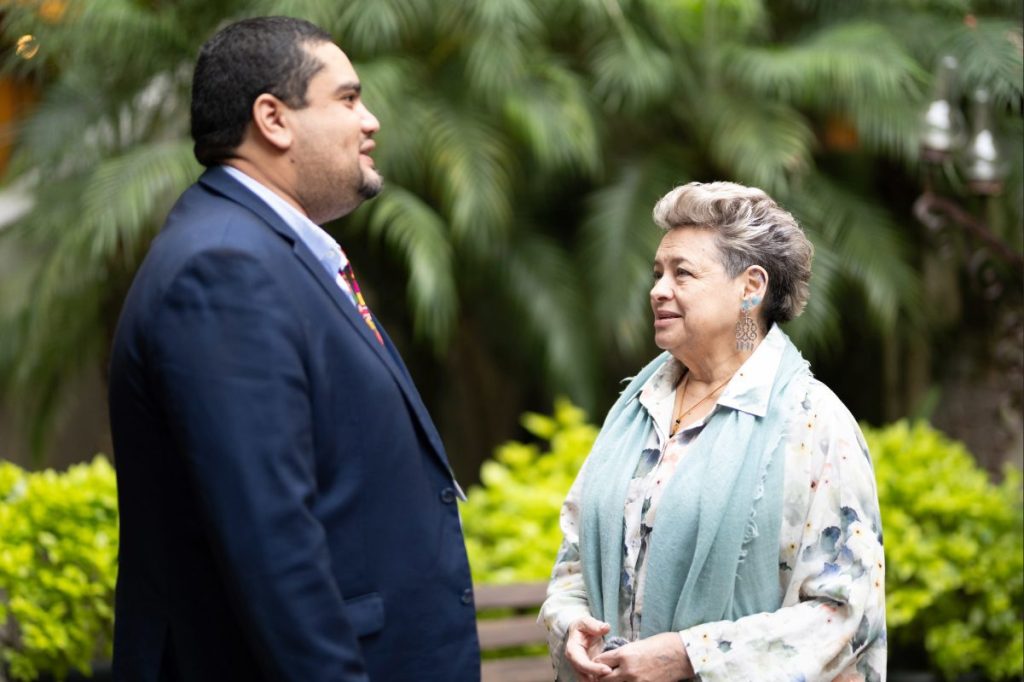
Guatemalan business etiquette is built around respect, status, and first impressions, so greetings, titles, smart dress, and taking time for polite conversation all help establish credibility before business begins.
Business Etiquette in Guatemala
Business etiquette in Guatemala reflects the importance of respect, status, presentation, and first impressions.
How you greet people, address them, dress, and manage conversation will influence how you are perceived.
Greetings and Introductions
Greetings in Guatemala are important and should not be rushed.
They help establish respect and set the tone for the interaction.
• Shake hands in business settings
• Smile and make appropriate eye contact
• Greet people properly when entering and leaving
• Allow time for social conversation
• Avoid starting immediately with business details
• Use a respectful tone
• Wait for the host to guide the rhythm of the meeting
In practice, a good greeting is part of relationship building. It shows that you respect the person, not just the agenda.
Professional Titles and Forms of Address
Titles and forms of address matter in Guatemalan business etiquette.
They signal respect for status, education, seniority, and professional achievement.
• Use professional titles where known
• Doctor or Doctora may be used for doctors or highly educated professionals
• Licenciado or Licenciada may be used for university graduates or professionals
• Ingeniero or Ingeniera may be used for engineers
• Use Señor or Señora plus surname if no professional title is known
• If someone has two surnames, use the father’s surname in address
• Wait to be invited before moving to first names
In practice, it is better to begin formally and allow your counterpart to signal when a more relaxed form of address is appropriate.
Business Dress in Guatemala
First impressions matter in Guatemala, and business dress helps signal professionalism.
Dress expectations vary by sector, climate, and location, but formal presentation remains important in senior business settings.
• Dress formally for senior meetings
• Men should usually wear a dark suit and tie for top level meetings
• Women should wear smart professional clothing
• Dress may be more relaxed in hotter regions or less formal sectors
• Business breakfasts and lunches can still require formal presentation
• Neatness and grooming are important
• It is safer to be slightly overdressed than too casual in a first meeting
In practice, presentation communicates respect. Dressing well shows that you take the meeting seriously.
Gift Giving, Compliance and Corruption Awareness
Gift giving in Guatemala should be handled carefully, especially in business settings.
Small gestures may support relationships, but international professionals need to avoid anything that could appear improper.
• Keep gifts modest and appropriate
• Do not blur gifts with favors or facilitation
• Be clear about compliance standards
• Avoid anything that could be interpreted as improper influence
• Use reputable agents and partners
• Keep records of business related hospitality
• Do not rely on informal shortcuts through official processes
In practice, relationship building matters, but it should always sit within clear ethical and compliance boundaries.
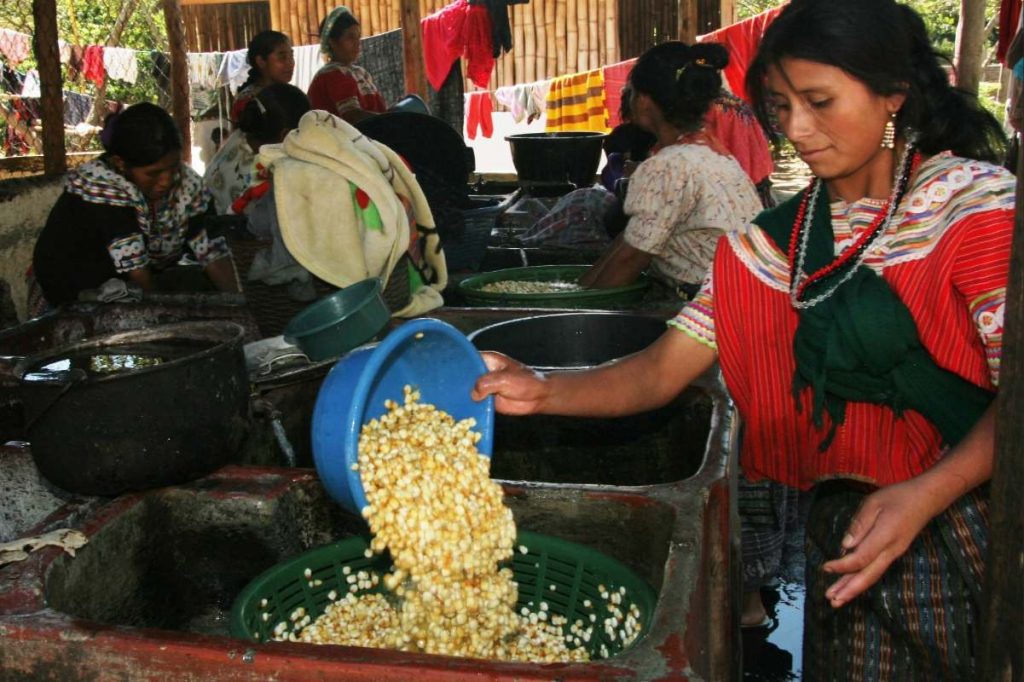
Maize, or corn, sits at the heart of Guatemalan food and identity, linking everyday staples such as tortillas and tamales with Maya ideas of land, family, community, and continuity.
Social Norms and Cultural Etiquette in Guatemala
Social life in Guatemala is shaped by family, hospitality, food, markets, festivals, and regional identity.
Understanding these customs helps international professionals build rapport and avoid treating Guatemala as one uniform culture.
Family, Hospitality and Everyday Courtesy
Family is one of the most important foundations of Guatemalan social life.
Family relationships, hospitality, and courtesy all influence how people relate to each other in business and social settings.
• Family is a common and valued conversation topic
• Hospitality is important
• Warmth and friendliness help build trust
• Cariño reflects the importance of personal warmth
• Social obligations may affect availability and scheduling
• Wider networks such as padrinos and compadrazgo can shape trust and support
• Courtesy matters in everyday interaction
In practice, showing interest in people and their families is usually a sign of respect, not intrusion.
Food, Markets and Social Life
Food and markets are central to everyday social life in Guatemala.
They are also useful windows into the country’s diversity, history, and regional identities.
• Maize is central to Guatemalan food and Maya identity
• Frijoles, tortillas, tamales, coffee, and local dishes are important cultural references
• The milpa connects food, land, family, and tradition
• Markets are important social and commercial spaces
• Chichicastenango is one of the best known markets
• Coffee is both an export and a social reference point
• Food can be an easy way to build conversation and rapport
In practice, food and markets show how social connection, local pride, and commercial life often overlap.
Festivals, Music and Cultural Identity
Festivals and music reflect Guatemala’s layered cultural identity.
Maya, Catholic, Ladino, and Garífuna traditions all contribute to the country’s social and cultural life.
• Semana Santa is one of the most important religious and cultural periods
• Patron saint festivals remain important in many communities
• Cofradías help connect religious, social, and community life
• Costumbre reflects tradition and expected ways of behaving in some communities
• Marimba is an important national music reference
• Garífuna music and drumming are associated with Livingston and Puerto Barrios
• Traje and huipil can be visible markers of Maya identity
In practice, festivals and cultural traditions can affect schedules, travel, availability, and relationship building.
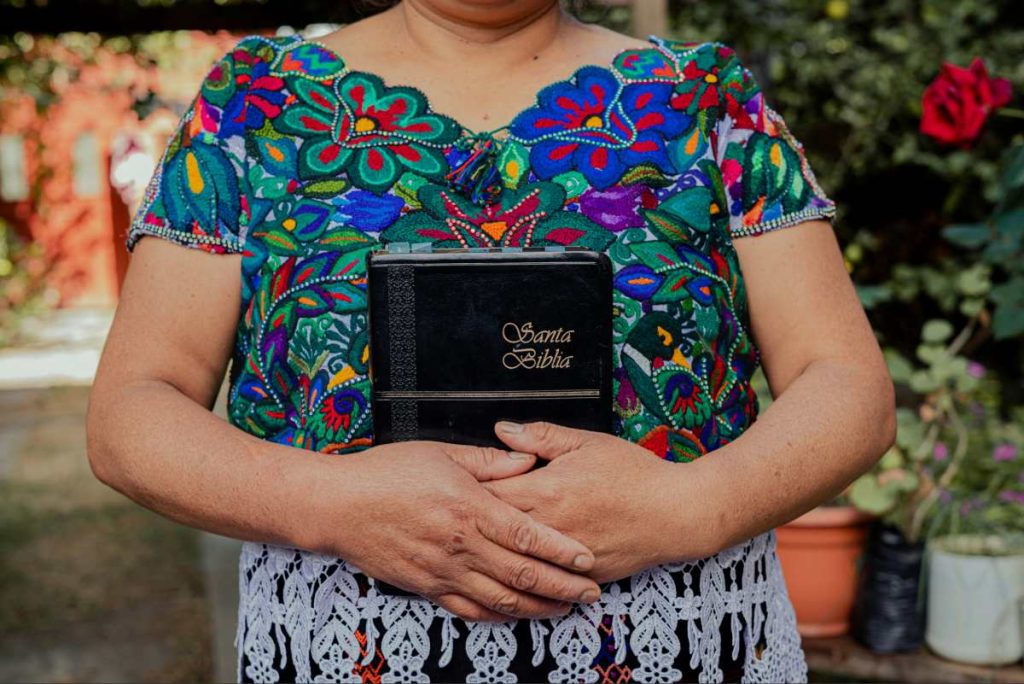
Christianity has a strong influence on Guatemalan society, shaping family life, festivals, moral values, and community rhythms, while in many Maya communities it often exists alongside older spiritual traditions and local customs.
Religion and Language in Guatemala
Religion and language are central to understanding Guatemala’s cultural diversity.
They influence identity, community life, holidays, communication, and how people understand belonging.
Religion in Guatemala
Religion in Guatemala is diverse and often layered.
Roman Catholicism has deep historical influence, Protestant and Evangelical churches are significant, and many Maya communities maintain spiritual beliefs and practices alongside Christianity.
• Catholicism remains historically important
• Protestant and Evangelical communities are influential
• Maya spiritual beliefs may coexist with Christianity
• Religious festivals can affect schedules and availability
• Semana Santa is especially important
• Cofradías and costumbre connect religion with community life
• Religion should not be treated as one single national practice
In practice, religion often connects family, community, identity, and tradition. It should be approached with respect and sensitivity.
Language in Guatemala
Spanish is the main business language in Guatemala, but language also reflects identity, region, and social background.
Guatemala is multilingual. Spanish is the official language and the language of most business settings, but 22 Mayan languages are spoken across the country, alongside Garífuna and Xinca.
• Spanish is the main language of business
• K’iche’, Kaqchikel, Mam, and Q’eqchí are important Mayan language references
• Garífuna and Xinca add further linguistic and cultural diversity
• Language can signal identity and region
• In some areas, Spanish may not be everyone’s first language
• Basic Spanish courtesies help create goodwill
• Interpreters or local support may be useful outside major business settings
In practice, language awareness is part of cultural awareness. It shows respect for Guatemala’s diversity and helps avoid assuming that all contexts work like Guatemala City.
Key Facts About Guatemala
• Location: Central America, bordered by Mexico, Belize, Honduras, and El Salvador
• Capital: Guatemala City
• Population: Around 18.5 million
• Official language: Spanish
• Currency: Quetzal
• Government: Democratic republic
Cross Cultural Training for Doing Business in Guatemala.
Commisceo Global provides cross cultural training for organizations working with colleagues, clients, and partners in Guatemala.
We can deliver training through eLearning, webinars, and tailored workshops. Our programs help professionals build the cultural awareness needed to work with confidence, respect, and effectiveness in Guatemala.

You might also like these business culture guides…

Mexico Business Culture Guide
Mexican Business Culture: What International Professionals Should Know Contents hide Mexican Business Culture: What International Professionals Should Know Poll: Challenges of Doing Business in Mexico…
Honduras Business Culture Guide
Honduran Business Culture: What International Professionals Should Know Contents hide Honduran Business Culture: What International Professionals Should Know Key Insights into Honduran Business Culture Understanding…

El Salvador Business Culture Guide
Salvadoran Business Culture: What International Professionals Should Know Contents hide Salvadoran Business Culture: What International Professionals Should Know Understanding El Salvador: Culture, History and Business…