
Iran Business Culture Guide
Doing business in Iran requires more than an understanding of formal rules and processes. Success often depends on building trust, navigating indirect communication, and understanding the cultural norms that shape relationships, decision making, and professional interactions in Iranian business environments.

Iranian Business Culture: What International Professionals Should Know
Understanding Iran’s business culture is essential for professionals working with Iranian clients, colleagues, or partners. While the country is shaped by strong traditions and social norms, it is also home to a highly educated, relationship-driven business environment where trust and communication play a central role.
For international professionals, many of the challenges come not from what is said, but from how it is said. Concepts such as indirect communication and ta’rof (a system of politeness and social etiquette) can significantly influence meetings, negotiations, and everyday workplace interactions.
Developing cultural awareness can help you interpret behaviour more accurately, build stronger relationships, and approach business situations with greater confidence.
Our Iran cultural awareness training course is designed to support professionals working across cultures and help them succeed in complex international environments.
“The one thing that always surprises foreigners new to working in Iran is how much fun it can be. Iranians are a warm, vibrant people with an ancient culture that today translates into a unique way of doing business.”
N. Payne, Iran Business Culture Expert, Commisceo Global
Key Insights into Iran Business Culture
Understanding a few core principles can make a significant difference when working in Iran. These insights reflect the underlying values that shape communication, relationships, and decision making.
• Business is relationship driven, with trust developed over time rather than through quick transactions
• Communication is often indirect, with meaning shaped by context, tone, and cultural norms such as taarof
• Hierarchies are important, and key decisions are typically made at senior levels
• Meetings may prioritise relationship building over immediate outcomes
• Patience is essential, as processes and negotiations can take longer than expected
• Personal reputation, respect, and credibility play a central role in business success

Forget all the stereotypes you’ve heard about Iran. Young, modern Iranians are a very different generation that will take you by surprise with their dynamism and energy. Photo by Fantastic B on Unsplash
Doing Business in Iran: Business Practices and Culture
Doing business in Iran is shaped by a strong emphasis on relationships, trust, and social understanding. While formal structures and hierarchies exist, much of the real progress in business comes through personal connections and the ability to navigate interactions with patience and cultural awareness.
Building Relationships First
In Iran, business is rarely transactional. Relationships form the foundation of all professional interactions, and significant time is invested in getting to know people before discussing commercial matters.
• Initial meetings often focus on building rapport rather than discussing business in detail
• Trust is developed gradually through repeated interactions
• Personal connections and introductions can play a key role in opening opportunities
Meetings and Business Interactions
Meetings in Iran may feel less structured than in some Western environments, particularly in the early stages of a relationship. Conversations can move between personal and professional topics, and interruptions are not uncommon.
• Meetings often begin with tea and informal conversation
• Agendas may exist but are not always strictly followed
• Discussions may be fluid, with topics revisited multiple times
Time, Patience, and Flexibility
Time in Iranian business culture is approached with greater flexibility than in many Western contexts. Building relationships and reaching agreement often take precedence over strict adherence to schedules.
• Processes and negotiations may take longer than expected
• Deadlines can be fluid, particularly in relationship-driven contexts
• Demonstrating patience is essential to maintaining trust and credibility
Iranian Negotiation Style
Negotiations in Iran are deliberate and often involve a high degree of strategic patience. Relationships, trust, and mutual respect are key to reaching agreement.
• Negotiations may progress slowly and involve multiple discussions
• Emotional expression can be part of the negotiation process
• High-pressure tactics are likely to damage relationships and hinder progress

Regional differences in Iran shape both language and communication styles – while Farsi is the national language, cities like Tabriz reflect a more direct and expressive style influenced by Azerbaijani (Azeri), with many people moving fluidly between languages depending on context and audience. Photo by Hasan Almasi on Unsplash
Communication in Iranian Business Culture
Communication in Iran is shaped by context, relationships, and a strong cultural emphasis on politeness and respect. For international professionals, one of the biggest challenges is not language, but interpretation; understanding what is truly meant beneath what is said.
Indirect Communication and Meaning
Iranian communication tends to be indirect, with messages often conveyed through tone, implication, and context rather than explicit wording.
• People may avoid saying “no” directly to preserve harmony
• Responses can be intentionally ambiguous to maintain relationships
• What is implied is often more important than what is stated
Understanding Ta’rof (Persian Politeness)
A defining feature of Iranian communication is ta’rof, a system of etiquette that governs how people express politeness, humility, and respect.
• Offers may be made out of politeness rather than genuine expectation
• Compliments are often downplayed to appear modest
• Initial refusals (of food, offers, invitations) are part of the social ritual
For those unfamiliar with taarof, interactions can feel confusing or even contradictory. However, with experience, patterns become easier to recognise and navigate.
Reading Between the Lines with Iranians
Because communication is nuanced, success often depends on your ability to interpret signals rather than take everything at face value.
• Silence or vague responses do not always indicate agreement
• Enthusiasm may reflect politeness rather than commitment
• Observing body language and context helps clarify intent
Building Trust Through Communication
Communication is closely tied to relationship building in Iran. How you communicate is often just as important as what you communicate.
• Showing respect and patience strengthens credibility
• Taking time for conversation builds rapport and trust
• Overly direct or blunt communication can be seen as insensitive
Adapting Your Communication Style in Iran
To communicate effectively in Iran, flexibility and awareness are essential.
• Soften direct messages and allow space for dialogue
• Avoid putting others in a position where they must say “no” directly
• Confirm understanding gently rather than seeking blunt clarity

Despite many years of crippling sanctions, Iranians are tech-savvy, well-educated and ambitious in business. Photo by World Skills (CC BY-NC-ND 2.0)
Workplace Culture and Values in Iranian Business Culture
Workplace culture in Iran is shaped by strong social values, close personal relationships, and an emphasis on trust and reputation. While organisations may appear formal and hierarchical, much of how work gets done depends on relationships, networks, and an understanding of social expectations.
Relationships, Trust, and Loyalty
Trust is central to professional life in Iran. Business relationships often develop in a similar way to personal ones, with loyalty and mutual respect playing a key role.
• Strong relationships are built over time through consistency and personal interaction
• Trust often carries more weight than contracts or formal agreements
• Loyalty to individuals and networks can influence business decisions
The Importance of the Inner Circle
Iranian society distinguishes between public and private life. In the workplace, this translates into a clear difference between formal interactions and trusted relationships.
• People may appear formal or reserved in initial interactions
• Greater openness is shown once trust has been established
• Being accepted into someone’s trusted network can significantly improve collaboration
Hierarchy and Respect in Iranian Business
Hierarchy is an important feature of Iranian business culture, and respect for seniority and authority is expected.
• Senior figures are given deference in meetings and decision making
• Titles and formal modes of address are commonly used
• Challenging authority openly may be avoided in group settings
Reputation and Professional Image
Personal reputation plays a significant role in how individuals are perceived and trusted in Iran.
• Professional appearance and behaviour contribute to credibility
• How you present yourself can influence how seriously you are taken
• Maintaining respect and dignity in interactions is highly valued
Balancing Formality and Warmth
While business environments may initially feel formal, they are also characterised by warmth and hospitality once relationships develop.
• Early interactions may be polite and reserved
• Over time, communication becomes more personal and expressive
• Hospitality, such as offering tea, is an important part of workplace culture

The Iranian management style often reflects the structure of a family – leaders act as authority figures while also showing care and responsibility, with strong emphasis on loyalty, trust, and close personal relationships across the team. Photo taken at Ab-o Atash Park, Taleghani Park, Modares Highway, Tehran by Ninara (CC BY 2.0). Note the shoes have been removed and are off the mat. Very important when in Iran!
Management Style in Iranian Business Culture
Management in Iran reflects a combination of hierarchy, relationship-building, and personal authority. While structures may appear formal, effective leadership is often grounded in trust, reputation, and the ability to navigate social dynamics.
Hierarchical Leadership and Authority
Iranian organisations tend to have clear hierarchical structures, with authority concentrated at the top.
• Senior leaders are expected to provide direction and make key decisions
• Respect for position and experience is an important part of workplace dynamics
• Employees may be less likely to openly challenge authority in group settings
Decision Making and Control
Decision making is typically centralised, with final authority resting with senior figures. While discussions may take place across teams, outcomes are not always immediate.
• Decisions are often made behind the scenes rather than during meetings
• Input may be gathered, but final approval comes from leadership
• Processes can take time, particularly when relationships are involved
Communication and Feedback
Communication between managers and employees is often shaped by hierarchy and cultural norms around respect.
• Feedback may be delivered indirectly to avoid embarrassment
• Public criticism is generally avoided
• Managers are expected to maintain harmony within the team
Challenges When Doing Business in Iran
Despite its strong relationship-driven culture, Iran can present challenges for international professionals unfamiliar with its communication style and business practices.
• Indirect communication and ta’rof can make it difficult to interpret intent and commitment
• Relationship-first approaches may slow down initial business progress
• Decision making can feel delayed due to hierarchy and consultation behind the scenes
• Flexibility around time and deadlines may differ from more structured environments
• Lack of established trust can limit access to opportunities and information
Tips for Doing Business in Iran
Adapting to Iran’s relationship-driven and nuanced business culture can significantly improve your effectiveness and build stronger professional connections.
• Invest time in building relationships before focusing on business outcomes
• Learn to recognise and navigate ta’rof rather than taking statements at face value
• Be patient and allow time for discussions, negotiations, and decisions to develop
• Communicate with sensitivity, avoiding overly direct or confrontational language
• Observe behaviour closely to better understand intent and expectations
• Show respect for hierarchy, titles, and seniority in all interactions
• Maintain a professional appearance to support credibility and trust
• Avoid applying pressure or strict deadlines too early in the relationship

Always accept offers of tea. Iranians sit and chat over tea, so it’s a crucial element in relationship building when doing business in Iran. Photo taken in Tehran by Mehrshad Rajabi on Unsplash
Business Etiquette in Iran
Understanding business etiquette in Iran helps reinforce professionalism, build trust, and avoid unintended offence. While many behaviours are rooted in broader cultural values, applying them correctly in business settings is essential for successful interactions.
Greetings and Introductions in Iran
First impressions are important and should reflect respect and awareness of cultural norms.
• Greetings are often warm but should remain respectful and appropriate
• Handshakes are common between men; wait for a woman to initiate if greeting across genders
• Use formal titles and surnames until invited to use first names
• The greeting “salaam” is widely used and appreciated
Meetings and Professional Conduct in Iran
Meetings tend to blend social and professional elements, particularly in the early stages of a relationship.
• Expect hospitality, such as tea being offered, as part of meetings
• Allow time for informal conversation before moving into business topics
• Avoid appearing rushed or overly focused on time
• Patience and attentiveness are valued during discussions
Business Card Etiquette in Iran
Business cards are used selectively and often reflect hierarchy and seniority.
• Exchange cards with senior counterparts rather than junior staff
• Ensure your title is clearly displayed on your card
• Having one side translated into Farsi can demonstrate respect
• Present and receive cards with care and attention
Dress Code in Iran Business Culture
Appearance plays an important role in establishing credibility and professionalism.
• Business attire is formal and conservative
• Men typically wear dark suits (ties are not normally worn)
• Women are expected to dress modestly and cover their hair
• Dressing well signals respect and seriousness in business settings
Gift Giving Etiquette in Iranian Business Culture
Gift giving is part of relationship building but follows certain cultural expectations.
• Small gifts may be given on special occasions or when visiting someone’s home
• Gifts should be modest but thoughtfully presented
• It is customary to downplay the value of a gift when giving it
• Gifts are not always opened immediately upon receipt
Social Etiquette and Cultural Norms in Iran
Social etiquette in Iran reflects values around respect, hospitality, and social harmony. Understanding these norms can help international professionals navigate interactions more smoothly and build stronger relationships beyond the workplace.
Hospitality and Social Expectations in Iran
Hospitality is a central part of Iranian culture and plays an important role in both social and professional relationships.
• Guests are treated with great respect and generosity
• Offers of tea, food, or assistance are common and should be acknowledged politely
• Initial refusals are often part of taarof and not meant to be taken literally
• Accepting hospitality helps strengthen relationships and trust
Visiting Homes and Social Gatherings in Iran
Being invited into someone’s home is a sign of trust and should be approached with cultural awareness.
• It is customary to bring a small gift such as sweets or flowers
• Shoes are usually removed before entering the home
• Dress should be modest and respectful
• Showing respect to elders is an important social expectation
Gender Norms and Social Interaction in Iran
Social interactions can be influenced by cultural and religious expectations, particularly in more traditional settings.
• Interactions between men and women may be more formal
• Wait for cues before initiating physical contact across genders
• Some social settings may be gender-segregated
• Behaviour may vary depending on the level of formality and environment
Dining Etiquette and Social Behaviour in Iran
Dining is an important social activity and reflects broader cultural values of hospitality and respect.
• Meals may be served either at a table or on the floor in more traditional settings
• Eat with your right hand and follow the host’s lead on seating
• Expect generous portions and multiple offers of food
• Leaving a small amount of food can signal that you are satisfied

The mosque of Imam Reza in Mashhad – one of the holiest sites for Shia Muslims around the world. Photo by shabnam Alidoost on Unsplash
Religion and Language in Iran
Religion and language play a significant role in shaping social norms, communication, and everyday life in Iran. While not always directly visible in business settings, their influence can affect schedules, interactions, and expectations in the workplace.
Religion in Iran and Its Impact on Business
Iran is an Islamic Republic, with the majority of the population following Shia Islam. Religious practices and values influence both public life and aspects of business culture.
• The working week typically runs from Saturday to Thursday, with Friday as the main day of rest
• During Ramadan, working hours may be reduced, and business activity can slow down
• Daily prayer times may influence scheduling and availability
• Religion is generally respected in professional settings, though discussions are often kept appropriate and measured
Language in Iran
Persian (Farsi) is the official language of Iran and is used in government, media, and most business contexts. However, linguistic diversity exists across the country.
• Farsi is the primary language for business communication
• English may be used in international business settings, particularly among educated professionals
• Other languages are spoken regionally, including Azerbaijani, Kurdish, and Arabic
• Having translated materials or basic awareness of Farsi can support relationship building
Key Facts About Iran
• Capital: Tehran
• Location: The Middle East, bordering Afghanistan, Armenia, Azerbaijan, Iraq, Pakistan, Turkey, and Turkmenistan
• Population: Approximately 90+ million
• Official language: Persian (Farsi)
• Main religion: Shia Islam
• Currency: Iranian Rial (IRR)
• Government: Islamic Republic
• Time zone: Iran Standard Time (IRST)
Build Cultural Confidence When Working with Iran
Understanding Iranian business culture is essential for building trust, navigating relationships, and communicating effectively in a relationship-driven environment.
Explore our Iran Cultural Awareness training course and give your teams the practical skills to work successfully with Iranian colleagues, clients, and partners.

You might also like these articles…

Iran Management Culture Guide
Understanding Management Practices in Iran: A Guide for International Managers Contents hide Understanding Management Practices in Iran: A Guide for International Managers Being a Manager…
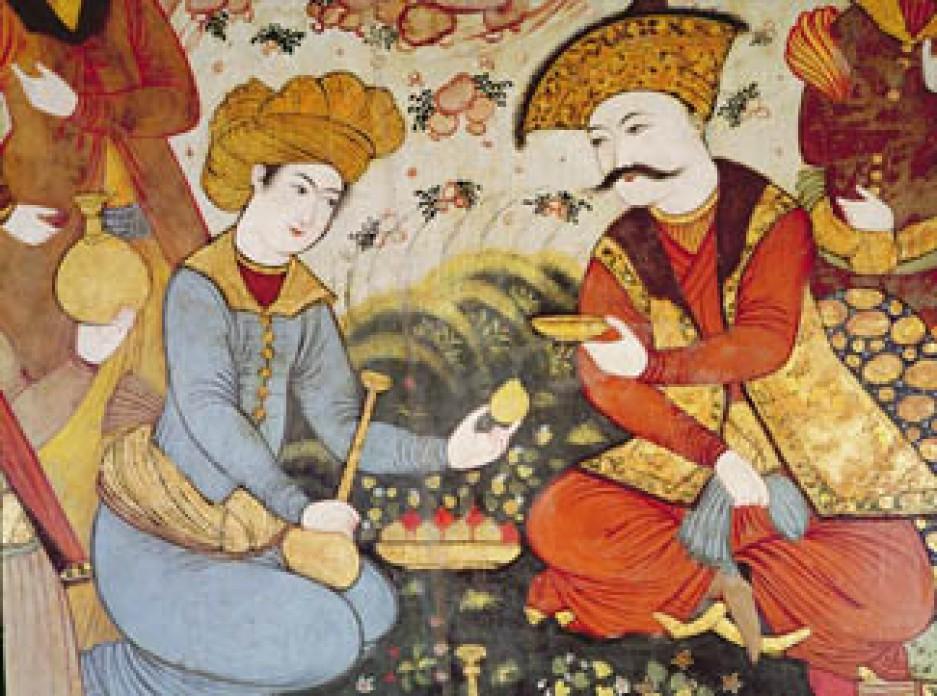
Ta’rof – Understanding the Essence of Iranian Etiquette & Culture
Learn about ta’rof in Persian culture and how this system of etiquette and politeness can influence doing business in Iran or working with Iranians.
10 Deadly Stereotypes about Iran We Hear in Cross Cultural Training
Challenge dangerous misconceptions about Iran with factual insights from cross-cultural training experts. Discover the truth behind common stereotypes. Essential reading for dispelling Iranophobic myths and…