
Lebanon Business Culture Guide
Understanding Lebanon’s business culture is essential for professionals working with Lebanese colleagues, clients, or partners. Doing business in Lebanon means navigating a multilingual, relationship driven business culture shaped by Beirut’s commercial energy, family loyalty, religious diversity, hospitality, reputation, and the need to build trust beyond the formal agreement.

Lebanese Business Culture: What International Professionals Should Know
Doing business in Lebanon means working in a country where commerce, community, language, hospitality, and reputation are closely connected. In this guide, we will share insights typical of our country specific cultural awareness training on Lebanon.
Lebanon may be small, but its business culture is anything but simple. It reflects Beirut’s long role as a Mediterranean trading city, a banking center, and a meeting point between Arab, French, European, Armenian, and wider Levantine influences.
Lebanese business life can feel modern, polished, multilingual, and highly international. In Beirut especially, professionals may move easily between Arabic, French, and English, and many companies are used to dealing with foreign investors, regional partners, and international clients.
Yet beneath this cosmopolitan surface, business is still shaped by older social patterns: family loyalty, personal networks, religious and community identity, status, hospitality, and the protection of personal dignity.
Lebanon is often described as a cultural mosaic. This is not just a social observation; it matters in business. People may belong to different religious communities, speak different languages at home or work, and carry different ideas of identity.
Some Lebanese identify strongly with Arab culture, while others place greater emphasis on Phoenician, Armenian, Christian, Muslim, Druze, or regional identity. This diversity creates a business culture where people are often skilled at moving between worlds, but also sensitive to respect, belonging, and reputation.
For international professionals, success in Lebanon depends on more than efficiency. It requires understanding how trust is built, how relationships are maintained, how honor and dignity are protected, and how much meaning may sit behind indirect language, hospitality, titles, and personal introductions. Many of these key themes are included in our Middle East cultural awareness training.

Lebanese culture and business are built on ancient foundations, from Phoenician trade and Levantine merchant cities to layers of Roman, Arab, Ottoman, French, and Mediterranean influence that still shape its commercial identity today.
Key Insights into Lebanon Business Culture
Lebanese business culture is shaped by Beirut’s commercial history, multilingual communication, hospitality, hierarchy, community identity, and the importance of being personally trusted.
• Beirut remains central to Lebanese business life, especially in banking, services, trade, education, and international commerce
• Business relationships often depend on personal credibility, repeated contact, and the sense that the other person has good intentions
• Family and community identity can influence trust, introductions, obligation, reputation, and decision making
• Honor, dignity, and reputation matter, especially when giving feedback, disagreeing, or raising problems
• Hierarchy and status influence how people interact, who speaks, and where final decisions sit
• Hospitality, including tea, coffee, food, and social conversation, is part of the business relationship, not separate from it
• Communication is often expressive, warm, and physically engaged, but indirect when a direct answer could embarrass someone
The key to doing business in Lebanon is learning how formal business, personal connection, and community awareness work together. A meeting may have an agenda, but the relationship around the agenda often determines whether progress is possible.

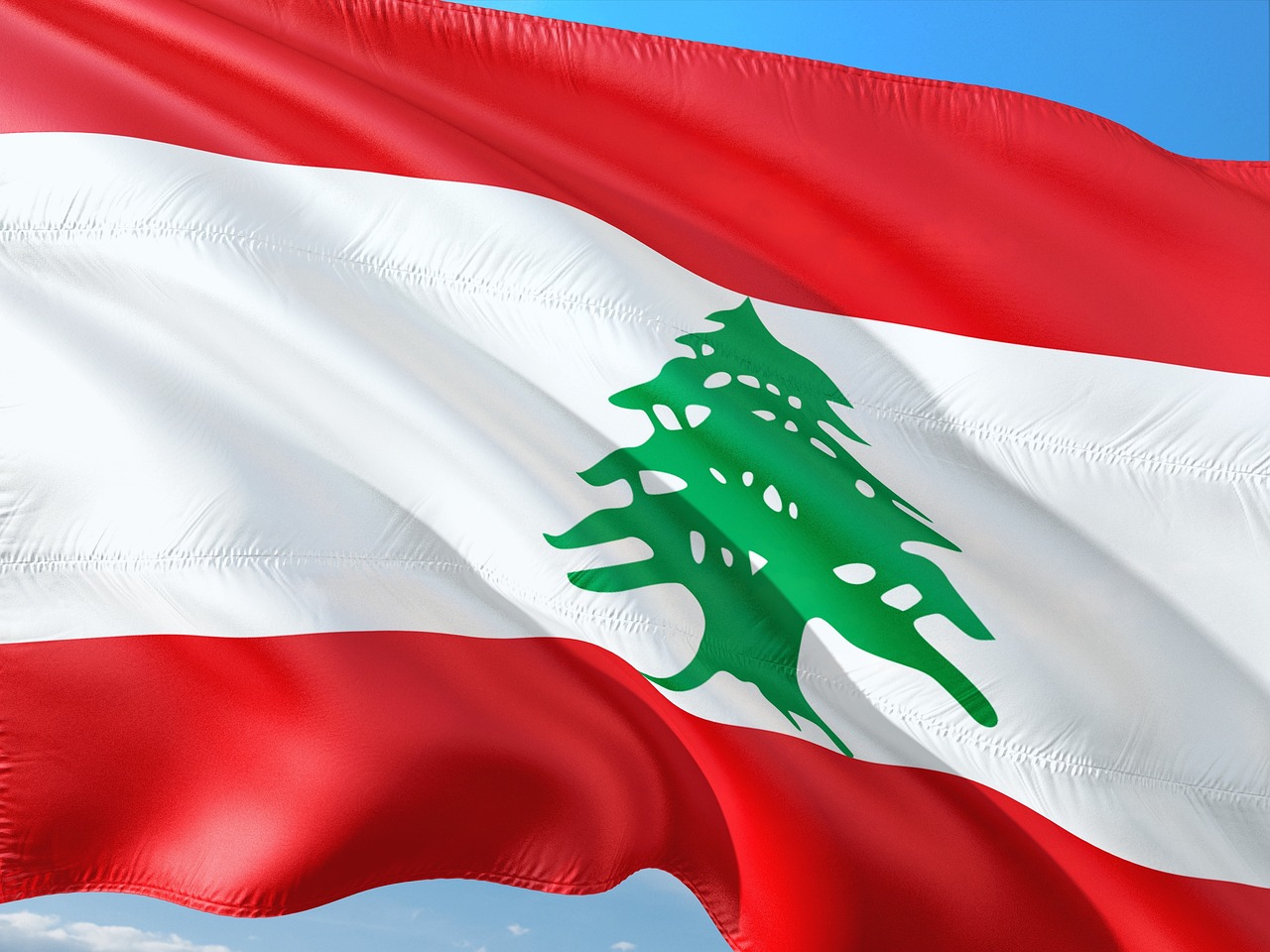
The Lebanese flag, with its cedar tree symbolizing endurance, resilience, and deep roots, reflects a business culture where relationships, reputation, and adaptability help people navigate complexity and sustain long term partnerships.
Doing Business in Lebanon: Business Practices and Culture
Doing business in Lebanon requires a strong understanding of trust. Contracts, proposals, credentials, and pricing all matter, but they rarely stand alone. Business works best when people feel that the relationship is sincere, the partner is reliable, and cooperation will protect everyone’s interests and reputation.
Business Relationships in Lebanon
Business relationships in Lebanon are often built through personal knowledge, social confidence, and the belief that the other person has good will. A strong relationship helps reduce uncertainty and makes cooperation feel safer.
• Personal introductions can help establish credibility
• Trust develops through repeated interaction, not one meeting
• Reputation matters because business and social networks can overlap
• Family, community, and professional identity may influence how people assess reliability
• Hospitality and conversation are often used to test warmth, sincerity, and character
• A relationship may need to feel comfortable before business moves forward
In Lebanon, being competent is not always enough. People also need to feel that you are dependable, respectful, socially aware, and serious about the relationship beyond the immediate transaction.
Business Meetings in Lebanon
Business meetings in Lebanon often combine professionalism with hospitality. A meeting may be formal in tone, but it will usually leave space for greetings, coffee, tea, and conversation before moving into the main topic.
• Do not rush greetings or early social conversation
• Tea or coffee is often offered at the start of a meeting
• Chitchat helps establish rapport and trust
• Meetings may be conducted in Arabic, French, or English
• It is wise to confirm the meeting language before arriving
• People may enter and leave the room, phone calls may be taken, or refreshments may interrupt the flow
• Meetings may feel open door rather than completely private
This style can surprise visitors from more tightly structured meeting cultures. In Lebanon, interruptions do not automatically mean the meeting is unimportant. The interaction is often happening on several levels at once: business, hospitality, relationship, hierarchy, and social awareness.
Decision Making in Lebanese Business Culture
Decision making in Lebanon is often influenced by seniority, status, personal relationships, and the wider network around the issue. Even where a discussion feels open, the final decision may still sit with a senior person, owner, family figure, board, or trusted stakeholder outside the immediate meeting.
• Senior figures often carry significant influence
• Status, education, title, and social position can affect authority
• Personal contacts may shape how quickly an issue moves
• Employees may be careful about contradicting senior people openly
• Decisions may be discussed informally before being confirmed formally
• Agreement in the room may still require further consultation
International professionals should pay attention to the decision map. Who speaks? Who listens? Who is deferred to? Who is not in the room but may still need to approve? These questions are often more useful than relying only on the meeting discussion.
Time, Flexibility and Business Expectations in Lebanon
Punctuality is expected in Lebanese business, but the rhythm of meetings can be flexible once people are together. Time is not ignored, but relationships, interruptions, and developing conversations can change the pace of business.
• Arrive on time and be prepared
• Allow time for greetings and hospitality
• Do not show irritation if the meeting flow changes
• Expect some conversations to move indirectly before reaching the point
• Use follow up to clarify what was agreed
• Build flexibility into timelines, especially when several stakeholders are involved
The best approach is to be organized without being rigid. In Lebanon, patience and persistence often work better than visible frustration.
Negotiation, Contracts and Trust in Lebanon
In Lebanese business culture, a contract may define the formal agreement, but trust defines how cooperation feels in practice. People need confidence not only in the written terms, but also in the intentions, flexibility, and behavior of the people involved.
• Contracts matter, but they do not replace trust
• Partners may expect flexibility when circumstances change
• Good cooperation depends on shared expectations, not only signed clauses
• Sensitive issues should be raised diplomatically
• Clarify roles and responsibilities without making the other side lose face
• Written follow up helps, but should support the relationship rather than replace it
A useful Lebanon specific insight is that cooperation often depends on balancing formal roles with the feeling that both sides are working “as one hand.” If one party feels excluded, ignored, or not properly considered, trust can weaken even when the contract itself is clear.

Lebanese communication can vary by generation, with younger professionals, especially in Beirut and international sectors, often more comfortable using English, digital channels, and direct workplace language while still valuing warmth, respect, and relationship awareness.
Communication Style in Lebanese Business Culture
Lebanese communication is often warm, expressive, socially engaged, and context rich. People may use direct eye contact, gestures, physical warmth, humor, and animated discussion, yet still avoid blunt disagreement when honor, dignity, or relationships are at stake.
Indirect Communication and Implied Meaning
Lebanese communication is often indirect when a message could embarrass someone or disturb the relationship. This is especially true when saying no, giving criticism, questioning authority, or raising concerns in front of others.
• A positive response may show politeness rather than final agreement
• Disagreement may be softened or implied
• Hesitation, tone, or silence may carry meaning
• Context often explains the real message
• The listener is expected to understand what is being implied
• Blunt public questioning can feel uncomfortable or disrespectful
This means international professionals need to listen beyond the literal words. The real answer may sit in the tone, timing, body language, relationship, or follow up.
Eye Contact, Gestures and Physical Expressiveness
Lebanese communication is often more physically expressive than in many reserved business cultures. Eye contact, gestures, facial expression, and physical proximity can all help convey sincerity and involvement.
• Direct eye contact can signal trust, honesty, and attention
• Gestures and animated expression may show engagement rather than conflict
• Physical contact may be more common between people who know each other
• People may stand closer than some visitors expect
• With elders, prolonged direct eye contact can feel challenging rather than respectful
• Non verbal cues should always be read through the lens of age, status, gender, and relationship
A foreign professional who avoids eye contact may seem unsure or insincere. However, staring too intensely at an elder or senior person can create the wrong impression. The skill is to read the relationship, not follow a single rule mechanically.
Honor, Dignity and Public Disagreement
Honor and dignity are central to understanding Lebanese communication. People generally try to remain courteous and avoid public loss of temper, but if they feel their honor has been challenged, the emotional tone of the exchange can change quickly.
• Public criticism can damage trust
• Direct confrontation may be taken personally
• Disagreement should usually be framed with tact
• Feedback is best given privately
• Raising problems in front of others can create defensiveness
• Preserving dignity helps keep the relationship workable
This does not mean Lebanese professionals cannot be direct. With trust, conversations may become frank, energetic, and even intense. The point is that directness needs to be handled through relationship, timing, and respect.
Clarifying Meaning When Working with Lebanese Colleagues
Because communication can be indirect, clarity often needs to be built through careful follow up. Forcing blunt answers too early may close down the conversation.
• Summarize agreements after meetings
• Ask open questions rather than demanding yes or no answers
• Confirm next steps in writing
• Check whether senior approval is still needed
• Use private follow up for sensitive points
• Pay attention to whether actions match positive words
Useful questions include: “What would be the best way to move this forward?” or “Is there anyone else we should involve before confirming the next step?” These questions create clarity without putting pressure on the other person.

Martyrs’ Square in Beirut reflects how Lebanese work culture is shaped by resilience, public life, and community identity, with business relationships often carrying the weight of history, reputation, and the ability to keep moving forward through change.
Workplace Culture in Lebanon: Values and Working Environment
Lebanese workplace culture reflects the country’s wider cultural mosaic. It combines family loyalty, status awareness, hospitality, personal pride, education, multilingualism, and a strong desire to hold diverse people together through workable relationships.
Family, Community and Reputation
Family is one of the strongest foundations of Lebanese social life, and its influence often extends into the workplace. A person’s behavior can reflect on their family, community, and wider network, which makes reputation especially important.
• Family loyalty can shape obligation and trust
• Personal reputation and family reputation may be closely linked
• Social networks can influence access and opportunity
• People may prefer to work with those known through trusted circles
• Behavior in public can carry consequences beyond the individual
• Loyalty to the group can influence how problems are handled
For international professionals, this means that professionalism is not only about competence. It also includes discretion, respect, social judgment, and awareness of how actions affect reputation.
Unity, Being Considered and the Lebanese Workplace
One of the strongest workplace insights from Lebanon is the importance of unity combined with personal consideration. A good working relationship is not only about everyone agreeing. It is about people feeling that their contribution has been heard and that the group is moving together.
• Team members may want the chance to express their view
• People need to feel personally considered, not simply instructed
• Consensus may be important, but it should not erase individual contribution
• Group unity matters, especially in mixed or diverse teams
• A decision may work better when people feel included in the process
• Ignoring someone’s view can weaken trust and commitment
This helps explain why Lebanese teamwork can be both relational and expressive. People may debate, contribute, and want to be heard, but the aim is often to preserve enough unity for the group to keep working together.
Status, Hierarchy and Social Position
Lebanese workplaces can be modern and internationally connected while still remaining status conscious. Seniority, title, family background, social position, education, and professional standing may all influence how people interact.
• Senior figures are often treated with visible respect
• Authority may be linked to position, age, education, or reputation
• Employees may avoid challenging managers publicly
• Managers may be expected to give clear direction
• Social status can influence access and influence
• Personal contacts may help move issues forward
A relaxed conversation does not necessarily mean hierarchy is absent. In Lebanon, hierarchy may sit beneath warmth, humor, hospitality, and multilingual ease.
Modern Lebanese Organizations and Professional Ambition
Lebanese organizations are highly varied. A bank in Beirut, a family owned company, a public sector organization, a start up, and a multinational office may all operate differently.
Some companies have adopted more Western or international business practices, while smaller or more traditional organizations may retain stronger Middle Eastern patterns of hierarchy, hospitality, personal influence, and relationship based decision making.
This variation is important. Lebanon should not be treated as a single fixed business culture. International professionals should read the organization, sector, language use, ownership structure, and age profile of colleagues before deciding how formal, direct, or relationship focused to be.
Management Style in Lebanon
Management style in Lebanon often combines authority, personal influence, family or network awareness, and the ability to maintain respect. Leadership is not only about role description. It is also about credibility, social standing, relationship management, and knowing how to keep people committed.
Lebanese Leadership Style
Lebanese leaders are often expected to show authority while maintaining personal connection. Employees may expect managers to be decisive, but also attentive to relationships, fairness, and reputation.
• Leaders are expected to provide direction
• Authority and seniority are often respected
• Personal credibility matters strongly
• Good managers maintain relationships as well as standards
• Status and confidence can influence leadership perception
• Too much informality too early may weaken authority in some settings
Effective leadership in Lebanon often requires both strength and social intelligence. A manager who is technically capable but socially unaware may struggle to gain trust.
Decision Making and Authority in Lebanese Teams
Decision making in Lebanese teams may be more centralized than it appears on the surface. Discussion can be open and animated, but final authority may still sit with a senior person or influential stakeholder.
• Employees may contribute ideas but wait for senior confirmation
• Managers may hold responsibility for final decisions
• Authority may be exercised directly or through personal influence
• Informal conversations can shape formal outcomes
• Family ownership or personal networks may affect approval routes
• Decisions may require alignment beyond the immediate team
The practical lesson is to avoid assuming that the loudest discussion equals the final decision. Listen for authority as well as opinion.
Managing Lebanese Teams
Managing Lebanese teams requires clarity, respect, and personal attention. People may respond well when they feel trusted, heard, and personally recognized, but they may resist approaches that feel dismissive, impersonal, or publicly humiliating.
• Set clear expectations and responsibilities
• Recognize individual contribution within the group
• Show respect for status and experience
• Build relationships before relying only on process
• Use private conversations for sensitive issues
• Understand that personal loyalty can influence commitment
• Follow through consistently to build credibility
Lebanese employees may value being considered as people, not just as job roles. This makes relationship aware management especially important.

Lebanon’s business and social landscape has also been shaped by repeated aggression by Israel, which has affected national stability, infrastructure, investment confidence, community security, and the way many Lebanese understand risk, resilience, and political uncertainty.
Challenges When Doing Business in Lebanon
Many challenges in Lebanese business culture come from misreading the relationship signals beneath the surface. Lebanon can feel familiar and international, especially in Beirut, but the deeper cultural dynamics still matter.
• Assuming Beirut’s cosmopolitan style means business is purely Western
• Misreading hospitality and warmth as informality or final agreement
• Treating a contract as enough without building trust and shared expectations
• Not recognizing the influence of family, community, status, or personal networks
• Speaking casually about Hezbollah, Israel, Syria, Palestinian refugees, the civil war, or sectarian politics
• Giving criticism too directly or in front of others
• Becoming frustrated by open door meetings, interruptions, or flexible discussion flow
• Failing to make people feel considered in group decisions
The challenge is not that Lebanon is hard to understand. It is that the country works through layers: language, community, family, social standing, hospitality, trust, and personal dignity.
Tips for Doing Business in Lebanon
Working effectively in Lebanon means combining business preparation with social awareness.
• Take greetings seriously and do not rush the opening exchange
• Use “Marhaba” as a simple and respectful greeting
• Accept tea or coffee when offered
• Pay attention to who holds authority and who influences the room
• Build trust before expecting quick commitment
• Avoid public criticism or direct embarrassment
• Make people feel heard and considered in group discussions
• Do not assume someone’s religion, politics, language preference, or identity from their name, appearance, accent, or neighborhood
In Lebanon, small signs of respect can carry real weight. A greeting, a title, a coffee, a private follow up, or a careful phrase can all help build trust.

In Lebanese business etiquette, tea is more than a refreshment; it is a gesture of hospitality and a way to slow the conversation, build rapport, and show respect before business begins.
Business Etiquette in Lebanon
Lebanese business etiquette reflects a mix of Arab, French, Mediterranean, and local customs. It is warm and hospitable, but also status aware and sensitive to dignity.
Greetings and Introductions in Lebanon
Greetings in Lebanon should be warm, respectful, and unhurried. A smile, handshake, and “Marhaba” are usually appropriate in business settings.
• Handshakes are common in business
• Eye contact is important and helps signal sincerity
• Greetings often include questions about health, family, or general wellbeing
• Close friends may greet with three kisses on the cheek, alternating cheeks
• In cross gender greetings, wait to see whether a hand is offered
• If someone does not shake hands for religious reasons, a polite nod is appropriate
The greeting is not just a formality. It sets the emotional tone of the relationship.
Titles and Forms of Address
Titles are important in Lebanon, especially in formal business settings or early interactions. If someone is introduced with a title, use it.
• Use professional, academic, or formal titles where given
• Arabic titles may be attached to the first name
• English or French titles may be attached to the surname
• Wait before moving to first names unless invited
• Respectful address helps show awareness of status and seniority
Titles communicate more than politeness. They signal that you recognize the person’s position and social standing.
Business Cards in Lebanon
Business cards are exchanged without a highly formal ritual, but they still support professional credibility.
• Cards may be exchanged during introductions
• Present and receive cards with the right hand or both hands
• Take a moment to look at the card before putting it away
• One side translated into French or Arabic can make a positive impression
• Make sure your title and role are clear
In a status aware culture, your card helps establish who you are, what you represent, and how you should be placed in the business relationship.
Business Meeting Etiquette in Lebanon
Meeting etiquette in Lebanon is built around hospitality, conversation, and respect.
• Allow time for social conversation before business
• Accept coffee or tea politely
• Do not appear impatient with hospitality
• Expect possible interruptions
• Remain composed if the meeting becomes less linear
• Follow up afterwards to confirm what was agreed
A meeting that begins with coffee and conversation is not wasting time. It is building the relationship that business may depend on.
Dress and Professional Presentation
Presentation matters in Lebanon. Dressing well shows respect for the people, the setting, and the seriousness of the occasion.
• Choose polished business clothing for formal meetings
• Dress especially well if invited to someone’s home
• Avoid being too casual in early interactions
• Let the sector and host organization guide how formal to be
• Treat appearance as part of professional respect
In Lebanon, how you present yourself can affect how seriously you are taken.
Lebanon’s Communities and Why They Matter in Business
Lebanon cannot be understood as one single cultural bloc. It is a society of overlapping religious, regional, family, political, and linguistic communities, and these identities can influence trust, networks, language, social expectations, and how people interpret one another.
The most visible distinction is often described as Muslim and Christian, but this is far too simple. Lebanon includes Maronite Catholics, Greek Orthodox, Melkite Catholics, Armenian Orthodox, Roman Catholics, Syriac and other Christian communities, alongside Sunni Muslims, Shia Muslims, Druze, Isma’ilis, Alawites, Palestinian communities, Armenian communities, Syriac communities, and others. Lebanon officially recognizes multiple religious sects, and personal matters such as marriage, divorce, custody, and inheritance are handled through religious courts rather than one uniform civil system.
For international professionals, this does not mean you need to identify everyone’s background or discuss religion at work. In fact, doing so too directly can be intrusive or inappropriate. The practical point is that community identity can shape social networks, family expectations, holidays, school and university ties, language preference, political sensitivities, and sometimes business access.
Maronite and other Christian communities have played a major role in Lebanon’s commercial, educational, and international orientation, including strong historical links with France and the wider Mediterranean.
Sunni communities have long been important in Beirut, Tripoli, Saida, and coastal commercial life. Shia communities are central to the social and political landscape of south Lebanon, the Bekaa, and parts of Beirut, with Hezbollah functioning not only as a political and armed movement, but also as a major social force in areas where it has influence.
The Druze, concentrated historically in areas such as the Chouf, also have a distinct communal identity and political presence. Palestinian refugees and their descendants form another important part of Lebanon’s social reality, though their legal, political, and economic position is highly sensitive.
Alongside formal sectarian labels, Lebanon also contains quieter spiritual and social networks that do not always appear in simplified demographic summaries. Sufi sheikhs, circles, and students, particularly in parts of Beirut and other urban settings, can play an important role in religious life, personal networks, and moral authority for those connected to them.
This community complexity means foreigners should avoid assumptions. A name, accent, neighborhood, dress style, or language choice does not always tell you how someone identifies, what they believe, or where they stand politically. In business, the safest approach is to show respect, listen carefully, avoid forcing identity conversations, and let Lebanese counterparts guide how much personal or political context is appropriate.

Social customs in Lebanon can vary significantly, not only between regions but even within Beirut itself, where religious communities, family backgrounds, languages, neighborhoods, and levels of international exposure all shape how people greet, host, dress, socialize, and discuss sensitive topics.
Social Etiquette and Customs in Lebanon
Social etiquette in Lebanon is closely linked to hospitality, family, generosity, and personal honor. Social moments are often where trust deepens and where business relationships become more durable.
Lebanese Hospitality
Hospitality is one of the defining features of Lebanese culture. Guests are welcomed generously, and it is common to be offered tea, coffee, or food quickly.
• Accepting hospitality is usually good manners
• Refusing too abruptly can feel cold or insulting
• Invitations to a home may come sooner than some visitors expect
• Food and drink are ways of showing care and respect
• Conversation is part of hospitality, not an interruption to it
Hospitality is not separate from business culture. It is one of the ways trust, warmth, and personal regard are expressed.
Gift Giving Etiquette in Lebanon
Gift giving in Lebanon is often about friendship and appreciation rather than cost.
• Flowers are appropriate when visiting a home
• Sweets or pastries are suitable when invited for a meal
• A small gift for children is a thoughtful gesture
• Gifts may be given to thank someone for a favor
• Give gifts with the right hand or both hands
• Avoid alcohol with Muslim hosts unless you are sure it is acceptable
The value of the gift is less important than the message it carries: respect, friendship, and goodwill.
Dining Etiquette in Lebanon
Dining in Lebanon is generous, social, and often quite formal. Meals can be important spaces for relationship building.
• Dress well when invited to a home
• Greet elders first
• Wait to be told where to sit
• Try the foods offered
• Expect second or even third helpings
• Take smaller first portions so you can accept more later
• Show appreciation for the host’s effort
Being encouraged to eat more is often a sign that you are being looked after. Responding warmly helps strengthen the relationship.
Social Topics to Approach with Care
Lebanon has a rich and complex history, but some topics require caution.
• Avoid politics in early relationships
• Be careful when discussing religion
• Do not raise the civil war casually
• Do not make casual comments about Hezbollah, Israel, Syria, or Palestinian refugees
• Avoid making judgments about Lebanese identity or communities
• Safer topics include food, travel, education, culture, family in general terms, and positive impressions of Lebanon
Lebanese people may discuss sensitive issues openly among themselves, but foreigners should let local counterparts guide when and how those topics are raised.

Christianity has deep roots in Lebanon and remains central to the country’s identity, with Maronite, Greek Orthodox, Melkite, Armenian, Syriac, Roman Catholic, Protestant, and other Christian communities shaping its religious life, social customs, politics, education, and business culture.
Religion and Language in Lebanon
Religion and language are central to understanding Lebanese society. They shape identity, social life, politics, family law, education, and business communication.
Religion in Lebanese Society and Work Life
Lebanon is one of the Middle East’s most religiously diverse countries. Its communities include Maronite Catholics, Sunni Muslims, Shia Muslims, Druze, Greek Orthodox, Melkite Catholics, Armenian Orthodox, Syriac Christians, and other recognized groups.
• Religious identity is socially and politically significant
• Lebanon’s confessional system reflects community based power sharing
• Family law issues such as marriage, divorce, inheritance, and custody are handled through religious courts
• Religious holidays and observances can affect schedules including Ramadan
• Community identity can influence networks, trust, and social expectations
• Sunni, Shia, Christian, Druze, Armenian, Palestinian, Syriac, and other communities may each have distinct histories and sensitivities
• Hezbollah is an important political and social force in parts of Lebanese life, especially in Shia contexts and areas where it has influence
• Sufi networks and sheikhs also form part of Lebanon’s wider religious and social landscape, particularly in some urban and Sunni settings
• Religion should be approached with respect and care in professional settings
This diversity is one of Lebanon’s defining features. For business professionals, the point is not to master every community detail, but to understand that identity, belonging, and respect can shape relationships in ways that are not always visible at first.
Language in Lebanese Business Culture
Lebanon’s business culture is highly multilingual. Arabic is the official language, but French and English are widely used in professional and international contexts.
• Arabic is the official national language
• Lebanese Arabic is widely used in everyday conversation
• French remains important in business, education, law, and social life
• English is common in international business and younger professional circles
• Armenian and Greek may be spoken in communities with those backgrounds
• Some meetings may move between languages depending on topic and participants
Language choice can signal education, background, sector, generation, and relationship. Even small language efforts, such as a few Arabic phrases, can help create warmth.
Key Facts About Lebanon
• Location: Middle East, bordering the Mediterranean Sea, between Israel and Syria
• Capital: Beirut
• Population: Approximately 5.8 million
• Official language: Arabic
• Common business languages: Arabic, French, and English
• Major communities: Muslim, Christian, Druze, Armenian, Palestinian, Syriac, and other groups
• Major places: Beirut, Tripoli, Sidon / Saida, Tyre, Mount Lebanon, Bekaa Valley, Chouf, and Byblos / Jbeil
Middle East Cultural Awareness Course
Explore our Middle East Cultural Awareness Course, which includes Lebanon and helps professionals understand the region’s diverse business cultures, communication styles, etiquette, workplace expectations, and relationship building practices.
Ideal for teams working with Lebanese colleagues, clients, suppliers, or partners, the course provides practical cultural insights to support stronger communication, trust, and confidence across the Middle East.
You might also like these articles…
Lebanon Management Culture Guide
Management Style in Lebanon: What International Managers Should Know Contents hide Management Style in Lebanon: What International Managers Should Know Being a Manager in Lebanon…

Essential Arabic for Doing Business
Planning a business trip to the Arab world? This article introduces 20 essential Arabic words and phrases to help you connect, show respect and navigate…

Palestine Business Culture Guide
Palestinian Business Culture: What International Professionals Should Know Contents hide Palestinian Business Culture: What International Professionals Should Know Key Insights into Palestinian Business Culture Doing…