
Oman Business Culture Guide
Doing business in Oman requires an understanding of a relationship-driven, respectful, and quietly paced business culture. While Oman shares similarities with other Gulf countries, it stands apart through its emphasis on trust, modesty, and consensus, where success comes from patience, strong relationships, and the ability to navigate a more understated and traditional approach to business.

Omani Business Culture: What International Professionals Should Know
Understanding Omani business culture is essential for professionals working with Omani clients, colleagues, or partners. Known for its stability and strong cultural identity, Oman offers a business environment shaped by tradition, respect, and long-standing social values.
Compared to some of its Gulf neighbours, Oman’s business culture is more measured and understated. Relationships develop gradually, communication is often reserved, and decisions are rarely rushed. For international professionals, success comes from adapting to this pace and recognising that trust and credibility are built over time.
Developing cultural awareness helps you interpret behaviour more accurately, strengthen relationships, and approach business situations with confidence. Our Middle East cultural awareness training course equips professionals with practical insights and strategies for working effectively in the region.
Key Insights into Oman Business Culture
Understanding a few core principles will help you work more effectively in Oman.
• Relationships are essential and develop gradually over time
• Communication is polite, indirect, and often understated
• Decision making is influenced by consultation and consensus
• Time is flexible, with patience expected in business processes
• Modesty and humility are valued over assertiveness
• Trust and personal credibility are more important than speed

Oman’s deep connection to the sea has shaped its identity for centuries, with coastal life, trade, and seafaring traditions still influencing how people live, work, and connect today.
Doing Business in Oman: Business Practices and Culture
Doing business in Oman requires patience, cultural sensitivity, and a long-term mindset. Compared to some neighboring Gulf markets, Oman’s business environment is more understated, measured, and relationship-driven, reflecting a culture shaped by history, trade, and values of moderation. While professional standards are high, the way business is conducted places strong emphasis on trust, respect, and steady progress rather than speed.
Building Relationships in Omani Business Culture
Relationships form the foundation of business in Oman and are built through trust and consistency.
• Initial meetings focus on getting to know people rather than immediate outcomes
• Trust develops gradually through repeated interaction
• Sincerity and reliability are valued more than quick results
In practice, this often means taking time to build familiarity through conversation, shared experiences, and introductions. Oman’s long history as a trading nation has created a culture that is open and welcoming, but still places great importance on knowing who you are doing business with before moving forward.
Meetings and Business Interactions in Oman
Meetings tend to be less structured and more conversational than in many Western environments.
• Meetings often begin with extended small talk
• Discussions may move at a slower pace
• Agendas are flexible and may not always be followed closely
This relaxed structure reflects a preference for dialogue over rigid process. Conversations often develop organically, allowing space to build rapport and explore ideas in a way that feels natural rather than transactional.
Decision Making and Consensus in Oman
Decision making in Oman often involves consultation rather than quick top-down decisions.
• Decisions may take time as input is gathered from different stakeholders
• Consensus and alignment are often preferred over speed
• Final approval may still rest with senior figures
This reflects a cultural preference for balance and inclusion, influenced in part by Oman’s Ibadi traditions, which emphasize moderation and thoughtful decision-making. While hierarchy exists, decisions are often shaped through careful discussion rather than rapid direction.
Time, Patience, and Pace of Business in Oman
Time is approached with flexibility, and patience is essential.
• Meetings may start later or take longer than expected
• Deadlines are often treated as guidelines rather than fixed commitments
• Building relationships takes priority over strict scheduling
Rather than indicating inefficiency, this slower pace reflects a deliberate approach to business. Taking time to ensure alignment and maintain relationships is seen as more valuable than rushing toward outcomes.
Negotiation Style in Oman
Negotiations in Oman are typically calm, respectful, and relationship-focused.
• Discussions may progress slowly and revisit topics
• Maintaining harmony is more important than winning an argument
• Aggressive tactics are likely to damage trust
Negotiations are rarely confrontational. A composed and respectful approach is expected, with progress built through mutual understanding rather than pressure or urgency.

The traditional Omani cap, known as the kumma, is a symbol of national identity, reflecting heritage, craftsmanship, and pride in cultural tradition.
Communication in Omani Business Culture
Communication in Oman is shaped by politeness, restraint, and a preference for maintaining harmony. It is often subtle, requiring careful attention to tone, context, and what is not said as much as what is.
Indirect and Reserved Communication in Oman
Communication tends to be understated and indirect.
• People may avoid direct disagreement
• Messages are often softened to maintain relationships
• Tone and context are important in understanding meaning
This understated style reflects a broader cultural emphasis on respect and emotional control. Directness can be perceived as unnecessary or even impolite, particularly in situations where it may create discomfort.
Politeness, Harmony, and Respect in Oman
Maintaining respect and avoiding conflict are central to communication.
• Public criticism is avoided
• Disagreement is often expressed subtly
• Preserving dignity and relationships is essential
In practice, this creates a calm and courteous communication environment. Even when there are differences of opinion, they are typically handled in a way that protects relationships and avoids tension.
Understanding Agreement in Oman
Agreement can be less explicit than expected.
• Positive responses may reflect politeness rather than commitment
• Clarity may require follow-up
• Reading between the lines is important
Professionals working in Oman often need to confirm next steps through ongoing dialogue. Agreement is sometimes implied rather than stated directly, making follow-up an important part of effective communication.
Adapting Your Communication Style in Oman
Adapting your approach will improve effectiveness.
• Use a calm, respectful tone
• Avoid direct confrontation or pressure
• Focus on listening as much as speaking
• Build rapport before addressing business matters
This approach aligns with local expectations and helps build trust more quickly. Communication is as much about how something is said as it is about the message itself.

Trade has long been part of Oman’s identity, with a deep-rooted tradition of commerce, negotiation, and entrepreneurship shaping how business is approached today.
Workplace Culture and Values in Oman
Workplace culture in Oman reflects traditional values, strong relationships, and a measured approach to work. Compared to more fast-paced Gulf economies, the working environment often feels more grounded, with a focus on stability, respect, and long-term collaboration.
Trust and Personal Relationships in Oman
Trust is built over time and underpins professional success.
• Long-term relationships are highly valued
• Personal credibility plays a key role in opportunities
• Consistency and integrity strengthen trust
In a relatively close-knit business community, reputation develops through behavior over time. Reliability, honesty, and respect are key factors in how individuals are perceived and trusted.
Religion and Tradition in Omani Work Life
Religion influences aspects of daily life and work practices.
• Islam plays a role in shaping values and behaviour
• Prayer times may affect daily schedules
• Ramadan impacts working hours and business pace
Oman’s Ibadi Islamic tradition contributes to a culture that values moderation, tolerance, and balance. These values are often reflected in workplace interactions and expectations.
Hierarchy with a Human Touch in Oman
Hierarchy exists but is often softened by personal relationships.
• Senior figures are respected and hold authority
• Leadership may feel approachable but should still be respected
• Decisions are influenced by both hierarchy and relationships
This creates a dynamic where leaders may appear informal and accessible, but underlying structures of authority remain important. Respect for position and experience continues to shape decision-making.
Modesty and Behaviour in Omani Culture
Modesty is a defining feature of Omani business culture.
• Humility is valued over self-promotion
• Behaviour is generally calm and measured
• Professionalism is expressed through restraint rather than assertiveness
Overly assertive or self-promotional behavior can be perceived negatively. A more understated approach, combined with competence and consistency, is often more effective.
Multicultural Workforce in Oman
Oman has a diverse workforce, though less international than some Gulf countries.
• Many organisations include expatriate professionals
• Cultural awareness is important for effective teamwork
• Expectations may vary depending on background
While diverse, workplaces in Oman often retain a stronger local cultural influence than in some neighboring countries. This means adapting to Omani expectations remains particularly important.
The Management Style in Oman
Management in Oman reflects a balance between authority, relationships, and consensus. Leaders are expected to guide with stability and respect, while maintaining strong interpersonal connections within their teams.
Respectful and Relationship-Based Leadership in Oman
Effective leaders focus on building trust and maintaining strong relationships.
• Leadership is based on respect and credibility
• Managers often take a supportive and measured approach
• Personal relationships influence team dynamics
Leadership is often calm and composed rather than directive or forceful. Building trust within the team is seen as essential to achieving long-term results.
Consensus and Decision Making in Omani Teams
Decision making often involves consultation.
• Input may be gathered before decisions are made
• Consensus is valued where possible
• Processes may take longer than expected
This approach reflects a desire to ensure alignment and avoid conflict. While it may take more time, it often leads to more stable and widely accepted outcomes.
Managing Through Trust in Oman
Trust plays a central role in management effectiveness.
• Managers who build strong relationships achieve better outcomes
• Reliability and consistency are key leadership traits
• Trust supports long-term team performance
Teams respond well to leaders who demonstrate fairness, patience, and consistency. Trust is not assumed—it is built through everyday actions and interactions.
Communication and Feedback in Oman
Communication is careful and respectful.
• Feedback is often delivered indirectly
• Public criticism is avoided
• Maintaining harmony is a priority
Providing feedback requires sensitivity. A measured and private approach helps ensure messages are received positively without damaging relationships.

Most Omanis follow Ibadi Islam, a distinct branch known for its emphasis on tolerance, moderation, and community harmony, which helps shape the country’s open and balanced social and business culture.
Challenges When Doing Business in Oman
Despite its welcoming and stable environment, Oman can present challenges for international professionals. Many of these stem from differences in pace, communication style, and expectations around relationships.
• Slower pace of decision making can feel frustrating
• Indirect communication may make intentions unclear
• Consensus-driven processes can delay outcomes
• Relationship-building takes time before business progresses
• Modest communication styles may be misinterpreted as lack of urgency
Understanding these differences as cultural rather than operational helps professionals adapt more effectively and avoid unnecessary frustration.
Tips for Doing Business in Oman
Adapting to Oman’s business culture will help you work more effectively. Small adjustments in behavior can significantly improve how you are perceived and how relationships develop.
• Be patient and allow relationships to develop naturally
• Focus on building trust before pushing for results
• Communicate with respect and avoid direct confrontation
• Listen carefully and interpret meaning beyond words
• Show humility and avoid overly assertive behaviour
• Respect hierarchy while building personal rapport
• Take a long-term approach to business relationships
• Follow up gently to maintain progress
These approaches align with local expectations and help create stronger, more sustainable professional relationships.

Hospitality is central to Omani culture, where offering coffee and dates is a meaningful gesture of welcome, respect, and the beginning of building trust in both social and business settings.
Business Etiquette in Omani Culture
Understanding etiquette helps reinforce professionalism and build trust. Many behaviors reflect broader cultural values around respect, modesty, and hospitality.
Greetings and Introductions in Oman
• Greetings are warm but respectful
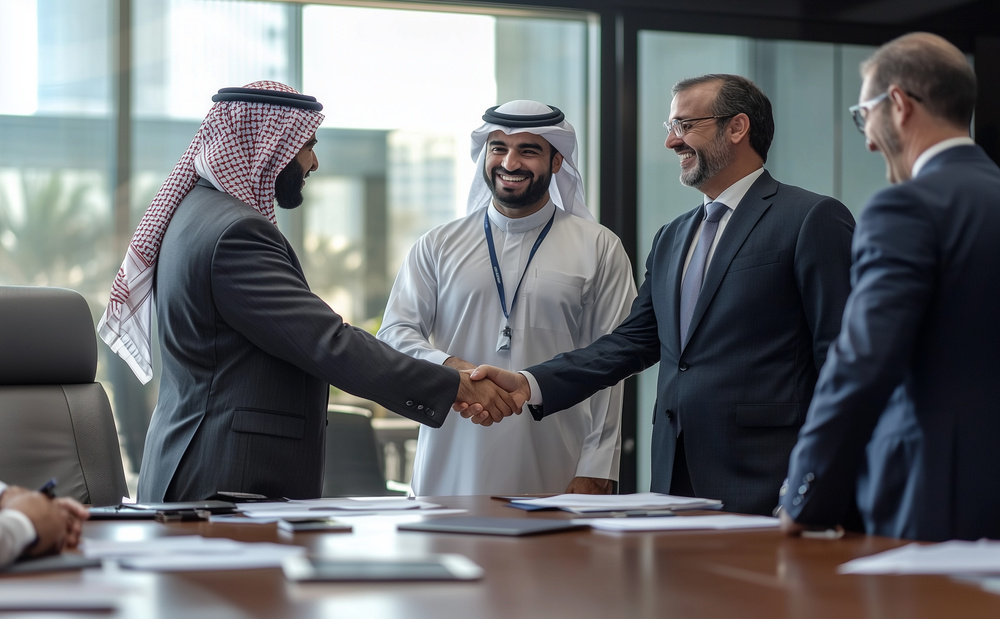
• Handshakes are common between men; follow cues in mixed settings
• Use titles where appropriate
• Take time during introductions
Introductions are not rushed, and taking time to greet people properly is seen as a sign of respect. First impressions often set the tone for the relationship.
Meetings and Professional Conduct in Oman
• Meetings often begin with informal conversation
• Discussions may be unhurried
• Patience is expected during interactions
• Avoid appearing rushed or impatient
Demonstrating patience and composure is important. Appearing overly hurried can be interpreted as disrespectful or lacking interest in the relationship.
Business Card Etiquette in Oman
• Business cards are commonly exchanged
• Ensure your title is clearly displayed
• Present and receive cards respectfully
• Take a moment to review the card
This small gesture signals professionalism and attention to detail, both of which contribute to credibility.
Dress Code in Oman
• Dress is conservative and professional
• Men typically wear suits
• Women should dress modestly
• Appearance reflects respect and professionalism
Dress is a visible expression of respect. A polished and modest appearance helps reinforce professionalism in both formal and informal settings.
Gift Giving Etiquette in Oman
• Small, thoughtful gifts may be appropriate
• Avoid alcohol
• Gifts are given modestly
• Do not expect gifts to be opened immediately
Gifts are typically understated and given as a gesture of goodwill rather than obligation, reflecting the broader cultural emphasis on modesty. You can read more about gift giving in the Arab world.

Outside Muscat, Omani society tends to be more traditional and conservative, with stronger adherence to local customs, social norms, and religious values shaping everyday life.
Social Etiquette and Cultural Norms in Oman
Understanding social norms helps strengthen relationships outside formal settings.
Hospitality in Oman
• Hospitality is an important cultural value
• Offers of food and drink should be accepted
• Social interactions are warm and welcoming
• Generosity is highly valued
Hospitality is deeply embedded in Omani culture. Accepting offers, even briefly, helps strengthen relationships and shows appreciation for the gesture.
Social Behaviour and Respect in Oman
• Behaviour is calm, polite, and respectful
• Public displays of frustration are avoided
• Respect for others is essential in all interactions
Maintaining composure is important. Emotional restraint is seen as a sign of professionalism and self-control.
Gender Norms in Oman
• Interactions should be respectful and culturally aware
• Behaviour may vary depending on context
• Follow cues before initiating physical contact
Observing and adapting to cues helps ensure interactions remain appropriate and comfortable for all parties.
Dining Etiquette in Oman
• Meals are often shared
• Eat with your right hand
• Expect generous hospitality
• Leaving some food can indicate satisfaction
Dining is often a social experience rather than purely functional. Taking time to engage in conversation during meals helps reinforce relationships.
Religion and Language in Oman
Religion and language influence daily life and business practices in Oman.
Religion in Oman and Its Impact on Business
• Islam is the dominant religion, with an Ibadi majority
• The working week typically runs Sunday to Thursday
• Friday is the main day of rest
• Ramadan affects working hours and pace of business
Language in Oman Business Culture
• Arabic is the official language
• English is widely used in business
• Many professionals are bilingual
• Other languages are present within the expatriate community
• Learning a few Arabic phrases can make a really good impression with locals
Key Facts About Oman
• Location: Southeastern coast of the Arabian Peninsula, bordering Saudi Arabia, the United Arab Emirates, and Yemen, with coastlines along the Arabian Sea and the Gulf of Oman.
• Capital: Muscat
• Population: Approximately 4.5 million
• Official language: Arabic
• Main religion: Islam (Ibadi majority)
• Currency: Omani Rial (OMR)
• Government: Absolute monarchy
• Time zone: Gulf Standard Time (GST)
Cultural Awareness Training for Doing Business in the Gulf
Build the cultural awareness and practical skills needed to succeed in Oman and across the region with our Middle East Cultural Awareness Training Course.
Designed for international professionals, this course helps you communicate with confidence, build strong relationships, and navigate business environments across the Gulf.
You might also like these articles…

Essential Arabic for Doing Business
Planning a business trip to the Arab world? This article introduces 20 essential Arabic words and phrases to help you connect, show respect and navigate…

Honour, Face & Shame in Arab Culture
Understanding Honour in Arab Culture, the Gulf and Middle East Business Contents hide Understanding Honour in Arab Culture, the Gulf and Middle East Business Sharaf:…

A Brief Introduction to Islam
Basics of Islam for Professionals Doing Business in Muslim Countries Contents hide Basics of Islam for Professionals Doing Business in Muslim Countries What is Islam?…