
Puerto Rico Business Culture Guide
Understanding Puerto Rican business culture is essential for professionals working with Puerto Rican colleagues, clients, suppliers or regional teams. Doing business in Puerto Rico requires more than familiarity with US systems; it also means understanding Spanish language, boricua identity, personal trust, hospitality, hierarchy, social status and the relationship based culture that shapes how business gets done. Find out more in our guide.
Puerto Rican Business Culture: What International Professionals Should Know
Puerto Rican business culture sits at the intersection of US systems, Caribbean identity and Latin American relationship culture. In this guide, we will share some insights we cover in country specific cultural awareness training.
Puerto Rico is legally connected to the United States, uses the US dollar and operates within many US linked commercial, legal and administrative frameworks. However, it should never be treated simply as “the US in the Caribbean.”
Puerto Ricans are US citizens, but the island has a distinct cultural identity, a Spanish speaking social world, a complex political status and a strong sense of boricua pride. The island’s official status as the Commonwealth of Puerto Rico, or Estado Libre Asociado de Puerto Rico, creates many practical realities that are neither fully mainland American nor fully independent Caribbean.
This makes business in Puerto Rico feel familiar and unfamiliar at the same time. Foreign professionals may recognize aspects of US business practice, such as contracts, tipping, regulation, and legal structures. Yet the way trust is built, meetings are handled, relationships develop and influence circulates is much more personal, social and culturally rooted. Spanish language, family loyalty, personal introductions, and hospitality all matter.
San Juan is the main business, government, tourism and transport hub, with Hato Rey acting as a key business district and Old San Juan carrying the historical weight of the island’s colonial past. Ponce, Mayagüez, Bayamón, Carolina and other regional centers add further depth, showing that Puerto Rico is not only a tourism destination but also a manufacturing, pharmaceutical, service, cultural and diaspora connected economy.
For international professionals, the most important lesson is that Puerto Rico works through both systems and relationships. Contracts, procedures and documents matter, but so do personal credibility, respect, trust, language and the ability to understand the island on its own cultural terms.
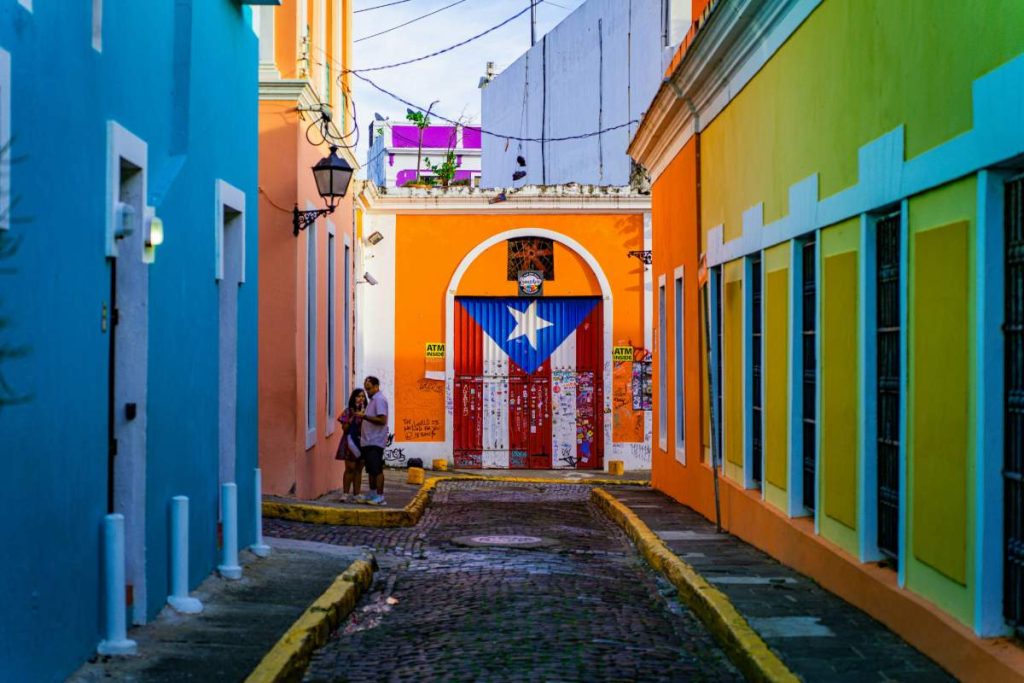
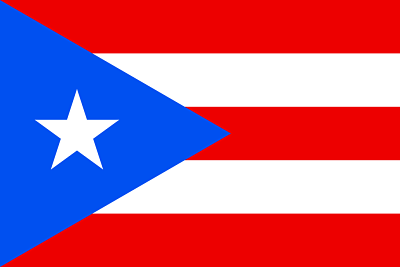
Doing business in Puerto Rico means understanding a culture shaped by pride, resilience, and close ties to both the United States and Latin America, all reflected in a flag whose red stripes, white star, and blue triangle symbolize sacrifice, liberty, and national identity.
Key Insights into Puerto Rico Business Culture
Puerto Rican business culture is warm, relationship focused, bilingual, status aware and strongly shaped by family, trust and identity.
• Family and extended family networks influence work and business
• Networking, favors and personal introductions matter
• Trust can matter more than contracts and documents
• Hierarchy and authority need respect
• Appearance and dress influence credibility
• Negotiations may take several meetings
• Hospitality is a major social value
• Political status is sensitive and often discussed
These insights are especially important for organizations working with Puerto Rican colleagues, suppliers, service teams, manufacturing partners, pharmaceutical operations, tourism businesses or Caribbean regional teams.
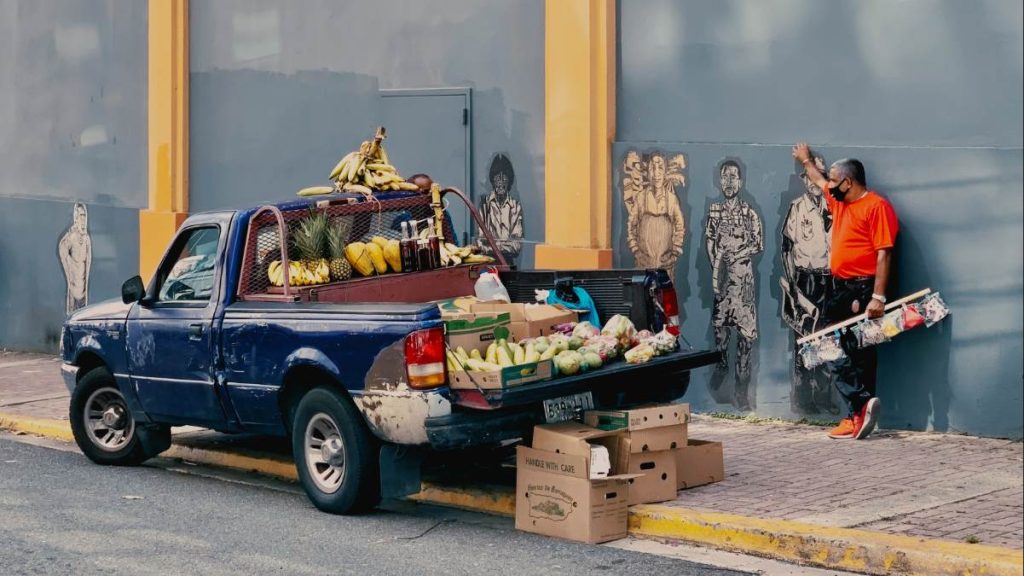
From the boardroom to the fruit seller working from the back of his truck, business in Puerto Rico is often built on personal warmth, conversation, trust, and the ability to make a connection before getting down to the transaction.
Doing Business in Puerto Rico: Business Practices and Culture
Doing business in Puerto Rico means understanding how US style infrastructure combines with Puerto Rican relationship based business culture. Processes, laws and contracts matter, but business confidence often grows through personal trust, introductions, family networks and the ability to work respectfully across Spanish and English.
Business Between US Systems and Puerto Rican Culture
Puerto Rico’s business environment is shaped by its unique relationship with the United States. Puerto Ricans are US citizens, the US dollar is used, and many legal, financial and commercial systems are connected to the mainland. However, Puerto Rico has its own local government, constitution, political debates, cultural identity and everyday business norms.
This creates a practical “it depends” environment. A foreign professional may find familiar systems in banking, law, tax, regulation or procurement, but still need to adapt to local expectations around communication, hierarchy, language and relationship building.
• Do not assume Puerto Rico works like mainland US
• Learn the local business context before making comparisons
• Recognize the importance of Spanish language
• Understand that identity and political status can be sensitive
• Respect both US linked systems and Puerto Rican cultural distinctiveness
• Avoid treating Puerto Rico as simply another US market
This balance is central to working successfully on the island. Puerto Rico is modern, globally connected and US linked, but its business culture remains deeply Puerto Rican.
Business Relationships and Trust in Puerto Rico
Trust is central to business relationships in Puerto Rico. People often prefer to know who they are dealing with before moving into serious commitments. A strong relationship can make communication smoother, negotiations easier and cooperation more resilient.
• Personal credibility matters
• Introductions can help open doors
• Time spent building rapport is valuable
• Trust may matter more than written documents
• Respectful behavior builds confidence
• Relationships develop through consistency and follow through
Foreign professionals should avoid approaching meetings as purely transactional. The person behind the proposal matters. How you present yourself, how respectfully you speak, how you handle small talk and how reliably you follow up all contribute to your credibility.
Family Business, Loyalty and Nepotism in Puerto Rico
Family is one of the strongest social networks in Puerto Rico. Extended families often provide emotional, practical and financial support, and family loyalty can influence business decisions, hiring, introductions and trust.
In some contexts, nepotism may not carry the same negative meaning it has in other cultures. Employing or recommending relatives can be understood as working with people who are known, trusted and accountable through family reputation. Family is considered the basis of stability and loyalty to family can come before other social relationships, including business.
• Family businesses may involve several generations
• Trusted relatives may hold important roles
• Family reputation can influence credibility
• Loyalty is valued and expected when doing business
• Personal networks may overlap with business networks
• Decisions may be shaped by family obligations
Foreign professionals should not dismiss family influence as automatically unprofessional. In Puerto Rico, family networks can function as systems of trust, reliability and social accountability.
Networking, Favors and Personal Introductions
Networking is an important part of how business gets done in Puerto Rico. Knowing the right person can help smooth access, create confidence and make processes easier to navigate.
The local business culture places value on relationships, favors and personal reputation. Name dropping may be common because it signals connections and credibility. This does not mean that formal process is irrelevant, but it does mean that influence often moves through people as well as paperwork.
• Build networks patiently
• Use trusted introductions where possible
• Treat favors as part of relationship building
• Follow through when you commit to helping someone
• Be careful not to over promise
• Keep ethical boundaries clear
The practical lesson is to invest time in relationships before you need them. In Puerto Rico, business access often improves when people know you, trust you and can place you within a network of relationships.
Business Meetings and Small Talk in Puerto Rico
Business meetings in Puerto Rico often begin formally, but small talk is important for building rapport. Jumping straight into business can feel cold or rushed, especially in a first meeting.
Appointments should be made in advance, and foreign visitors should arrive on time. The first meeting may be quite formal, but once introductions are complete, conversation often helps establish trust before the main business discussion begins. Written materials should ideally be available in both Spanish and English, and it is wise to check in advance whether an interpreter is needed. Meetings may involve interruptions or several people speaking at once.
• Arrive on time
• Begin with greetings and small talk
• Do not rush immediately into the agenda
• Bring bilingual materials where appropriate
• Clarify whether English is comfortable for everyone
• Expect some overlapping conversation
• Watch tone, facial expression and body language
Small talk is not a distraction. It is one of the ways people assess warmth, sincerity and social intelligence.
Negotiation, Consultation and Patience When Doing Business in Puerto Rico
Negotiations in Puerto Rico may take time. Several meetings may be needed before an agreement is reached, and decisions may require consultation with senior people or other stakeholders.
Relationships are often viewed as more important than business documents, negotiations and decisions can take a long time; hierarchy matters and high pressure sales tactics should be avoided.
• Expect several conversations
• Allow time for consultation
• Avoid high pressure tactics
• Do not rush decisions
• Confirm agreements clearly
• Be patient with bureaucracy
• Keep the relationship positive
A pushy approach can be seen as rude or aggressive. A better approach is to show seriousness, keep communication warm, provide clear information and follow up respectfully.
Hierarchy, Authority and Decision Making in Puerto Rican Business
Hierarchy matters in Puerto Rican business culture, even when it is not immediately visible. The decision maker may not be the most talkative person in the room, and authority may sit with a senior figure who expects appropriate deference.
• Identify who holds decision making authority
• Show respect to senior people
• Avoid bypassing hierarchy too quickly
• Be careful with public disagreement
• Do not assume informality means equality
• Give decision makers time to consult
Foreign professionals should pay attention to who opens the meeting, who others defer to, who remains quiet but influential and who gives the final signal. Respect for authority helps maintain trust and avoids unnecessary embarrassment.
San Juan, Hato Rey and the Puerto Rican Business Environment
San Juan is the central business gateway to Puerto Rico. It is the island’s capital, main population center, transport hub and center of government, tourism, education and industry. Some observers describe San Juan as the island’s economic, artistic, educational and industrial center, with tourism heavily concentrated there through flights and cruise ships.
Hato Rey is often associated with finance, offices and urban professional life. Old San Juan carries the island’s colonial history, government symbolism and tourism appeal. Santurce adds arts, culture and urban energy. Together, these areas show how Puerto Rico combines commerce, heritage and creativity.
• San Juan is the main business hub
• Hato Rey is important for finance and offices
• Old San Juan reflects history, government and tourism
• Santurce is linked to arts, nightlife and urban culture
• Ponce has a strong southern identity and cultural history
• Mayagüez has links to industry, ports, fishing and pharmaceuticals
Business in Puerto Rico is often anchored in San Juan, but the wider island matters. Regional identity, sector and social context can all change how business is done.
Key Business Sectors in Puerto Rico
Puerto Rico’s economy should not be reduced to beaches and tourism. Tourism is important, but the island also has significant manufacturing, pharmaceutical, textile, port, service and creative sectors.
Operation Bootstrap was designed to shift the economy away from overreliance on agriculture by attracting foreign companies, especially American companies, to open factories on the island. Later tax incentives helped electronics, petrochemical and pharmaceutical businesses expand, with pharmaceuticals remaining especially important to exports.
Important sectors include:
• Tourism and hospitality
• Cruise ships and port services
• Pharmaceuticals
• Manufacturing
• Textiles
• Professional services
• Finance and administration
• Education and healthcare
• Food, agriculture and coffee
• Creative industries, music and media
This mix creates a business culture where US mainland connections, local networks, bilingual ability and sector knowledge all matter.
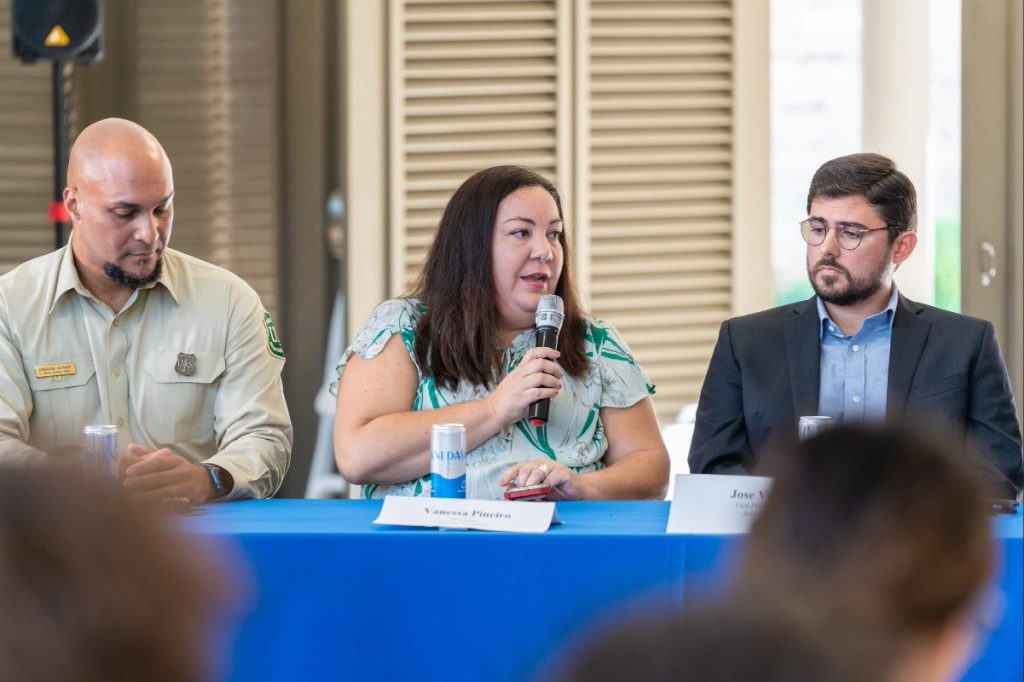
Puerto Rican communication is typically warm, expressive, and relationship focused, with conversation often blending friendliness, emotion, humor, and personal connection before moving into business detail.
Communication Style in Puerto Rican Business Culture
Puerto Rican communication is often warm, expressive and relationship focused, but professional interaction still requires respect, tact and awareness of hierarchy. The tone may feel sociable and animated, yet this should not be mistaken for casualness in every situation.
Warm, Expressive and Relationship Focused Communication
Puerto Ricans are often comfortable with lively conversation and personal warmth. Communication may include humor, storytelling, expressive tone and enthusiasm, especially once people feel comfortable.
• Warmth helps build rapport
• Conversation may be animated
• Personal connection matters
• Hospitality shapes communication
• Tone and body language carry meaning
• People may value emotional sincerity
This expressive style can help relationships develop quickly, but it does not remove the need for respect. A first meeting may still require formality, careful greetings and proper etiquette.
Small Talk Before Business in Puerto Rico
Small talk is an important part of Puerto Rican business communication. It helps establish warmth, trust and personal comfort before moving into more formal discussion.
Safe topics include:
• Family in general terms
• Food
• Music
• Baseball
• Travel
• Puerto Rican culture
• San Juan and local places
• Festivals and holidays
Beginning too abruptly with commercial details can feel impersonal. A more effective approach is to allow time for conversation, listen actively and show interest in Puerto Rico beyond the business opportunity.
Respect, Face and Indirect Disagreement When Communicating with Puerto Ricans
Respect and face matter in Puerto Rican professional relationships. Difficult messages should be handled with tact, especially in front of others.
• Avoid public criticism
• Give difficult feedback privately
• Do not embarrass someone in a meeting
• Use respectful language
• Focus on the issue, not the person
• Allow people to preserve dignity
Puerto Rican warmth can lead outsiders to think that direct criticism will be accepted easily. This is risky. Professional relationships may be friendly, but loss of face can still damage trust.
Interruptions, Gestures and Context in Communication
Meetings may involve interruptions, overlapping speech or several people speaking at once. This does not automatically mean disorder or disrespect. It may reflect engagement, energy or a more interactive communication style.
The business source also warns that facial expressions and body movements are context sensitive and may not translate easily between countries.
• Do not over interpret interruptions
• Listen for who carries authority
• Watch context before judging body language
• Avoid exaggerated gestures if unsure
• Clarify politely when needed
• Summarize key decisions after meetings
The best approach is to stay patient, observe the room and confirm important points clearly.

Puerto Rican work culture often balances professionalism with a strong appreciation for family, social connection, and quality of life, reflecting an island rhythm where work matters but life beyond work matters too.
Workplace Culture and Values in Puerto Rico
Puerto Rican workplace culture is shaped by family loyalty, hospitality, personal trust, social presentation, bilingual realities, hierarchy and cultural pride. US influence is visible, but local relationships and identity remain central.
Family, Loyalty and Social Support in Puerto Rican Life
Family is a central pillar of Puerto Rican life. Extended family may include several generations, and family members often provide practical support in times of need.
In work settings, this can influence expectations around loyalty, obligation, hiring, introductions and flexibility. Family commitments may carry real weight, especially around illness, holidays, childcare and major life events.
• Family networks are important
• Elders are respected
• Loyalty is valued
• Family obligations may affect availability
• Family reputation can influence trust
• Social support often extends beyond the nuclear family
Foreign managers should recognize that family is not separate from identity. It can shape priorities, behavior and trust in the workplace.
Hospitality, Warmth and Sociability in Puerto Rican Society
Hospitality is a major Puerto Rican value. Hosts often make strong efforts to ensure that guests feel comfortable, welcomed and well cared for.
In professional life, this can appear through warm greetings, attentive hosting, relaxed conversation before business, offers of food or drink and a strong desire to make visitors feel included.
• Accept hospitality graciously
• Do not rush social moments
• Show appreciation to hosts
• Use polite Spanish phrases
• Be personable as well as professional
• Recognize that warmth builds trust
A purely task focused approach may appear efficient, but it can feel cold in a culture where relationships matter.
Appearance, Image and Buena Presentación
Appearance can influence credibility in Puerto Rican business culture. The legacy source notes that people are often fashion conscious and may see clothing as a sign of social standing and success.
The idea of buena presentación, or good presentation, helps explain why dress, grooming and polish matter, especially in customer facing roles, formal meetings, hospitality and professional services.
• Dress well for meetings
• Pay attention to grooming
• Avoid looking careless or untidy
• Adapt to sector expectations
• Understand that style may signal success
• Do not assume relaxed climate means relaxed standards
Style is important, but it is not always the same as strict formality. In some industries, a smart guayabera with good trousers may be appropriate, while corporate or formal settings may require more conservative dress.
Class, Race and Inclusion in Puerto Rico
Puerto Rican identity is often expressed as culturally unified, but race, class and appearance can still shape opportunity. Puerto Rican identity often takes priority over racial labels, but also notes that social and economic status may still be connected to skin color, appearance and who is placed in visible customer facing roles.
For foreign managers, the practical lesson is not to import simplistic assumptions about race from elsewhere, but also not to ignore inequality.
• Avoid assumptions based on appearance
• Be alert to informal class signals
• Make opportunity transparent
• Treat all levels of staff with respect
• Do not confuse polish with competence
• Build inclusive communication habits
This is especially important in tourism, hospitality, retail, service work and organizations where buena presentación may quietly influence hiring or promotion.
Machismo and Women in Business
Women are active in Puerto Rican professional life, but traditional gender expectations may still influence behavior. Women are familiar in positions of power and authority, while machismo can still exist at a cultural level.
Foreign professionals should avoid making assumptions either way. A woman may hold senior authority and expect full professional respect, while some older or more traditional environments may still carry gendered expectations around behavior, leadership or communication.
• Treat women leaders with full professional respect
• Do not assume authority based on gender
• Be alert to traditional expectations
• Apply consistent standards
• Avoid patronizing behavior
• Support inclusive meeting participation
The safest approach is professional courtesy, clear respect and no assumptions about who holds influence.
Bilingual Work and Generational Change in Puerto Rican Workplaces
Puerto Rican workplaces often operate across Spanish, English and code switching. Language expectations may differ by sector, generation, education, diaspora connection and level of US mainland exposure.
Younger professionals, especially in international business, tourism, pharmaceuticals, technology or professional services, may be more comfortable moving between Spanish and English. Others may strongly prefer Spanish for detail, nuance and trust.
• Check language preferences
• Do not equate English fluency with competence
• Provide key information bilingually where needed
• Make meetings inclusive
• Recognize diaspora connections
• Use language as a bridge, not a status marker
Language can carry emotion and identity. Even when English is practical, Spanish remains central to belonging.
Puerto Rican Identity and US Influence
Puerto Rican professionals often navigate US systems while strongly defending their cultural distinctiveness. Political status, language, identity and economic opportunity are deeply connected.
Puerto Ricans may use US systems, travel freely to the mainland, work with US companies and understand US business expectations. At the same time, many will be clear that Puerto Rico has its own culture, history, language, music, food, heroes and social codes.
• Do not call Puerto Rico simply “America”
• Avoid assumptions about statehood or independence
• Listen before giving opinions on political status
• Recognize boricua pride
• Respect Spanish as a cultural pillar
• Understand that US influence does not erase local identity
This sensitivity can make a major difference to relationship building.
Puerto Rican Management Style
The Puerto Rican management style often combines hierarchy, warmth, personal trust and respect for proper etiquette. Managers need to build relationships, communicate clearly and handle feedback with tact, while recognizing the role of family, language and authority.
Managing Through Trust and Relationships
Managers working with Puerto Rican teams should invest in personal credibility. People may respond better to managers who are approachable, respectful and consistent, rather than purely procedural.
• Build rapport before demanding openness
• Follow through on commitments
• Show interest in people as individuals
• Recognize effort and loyalty
• Use informal conversations wisely
• Maintain professional boundaries
Warmth is valuable, but it should not mean lack of structure. The best managers combine personal connection with clear expectations.
Respecting Hierarchy and Authority in Puerto Rico
Hierarchy should be handled carefully in Puerto Rican workplaces. Authority may be formal, informal or linked to experience, family ownership, class, seniority or relationship networks.
• Understand who holds influence
• Respect senior figures
• Do not bypass decision makers
• Avoid undermining managers in public
• Give status conscious stakeholders proper attention
• Use titles and formal address when appropriate
A manager who ignores hierarchy may unintentionally create tension. A manager who overplays hierarchy may seem distant. Balance is essential.
Giving Feedback Without Loss of Face
Feedback should be clear, respectful and private. Public criticism can damage dignity and trust, especially in a culture where respect and face matter.
• Give difficult feedback one to one
• Avoid blaming language
• Focus on specific behavior or outcomes
• Allow space for response
• Preserve dignity
• Follow up supportively
The goal is not to avoid feedback. The goal is to deliver it in a way that maintains the relationship and allows improvement without humiliation.
Read about a case study in Puerto Rico where some US managers approached motivation in the wrong way, causing a loss of face, and motivation.
Gender Expectations and Professional Respect
Managers should be aware of traditional gender expectations while applying consistent professional standards. Women may hold senior roles, manage teams and make key decisions, but machismo may still shape behavior in some settings.
• Do not assume women are less senior
• Support women’s authority in meetings
• Challenge disrespectful behavior professionally
• Be careful with humor or informal comments
• Apply the same standards to everyone
• Read sector and generational differences carefully
Professional respect should be explicit, consistent and visible.
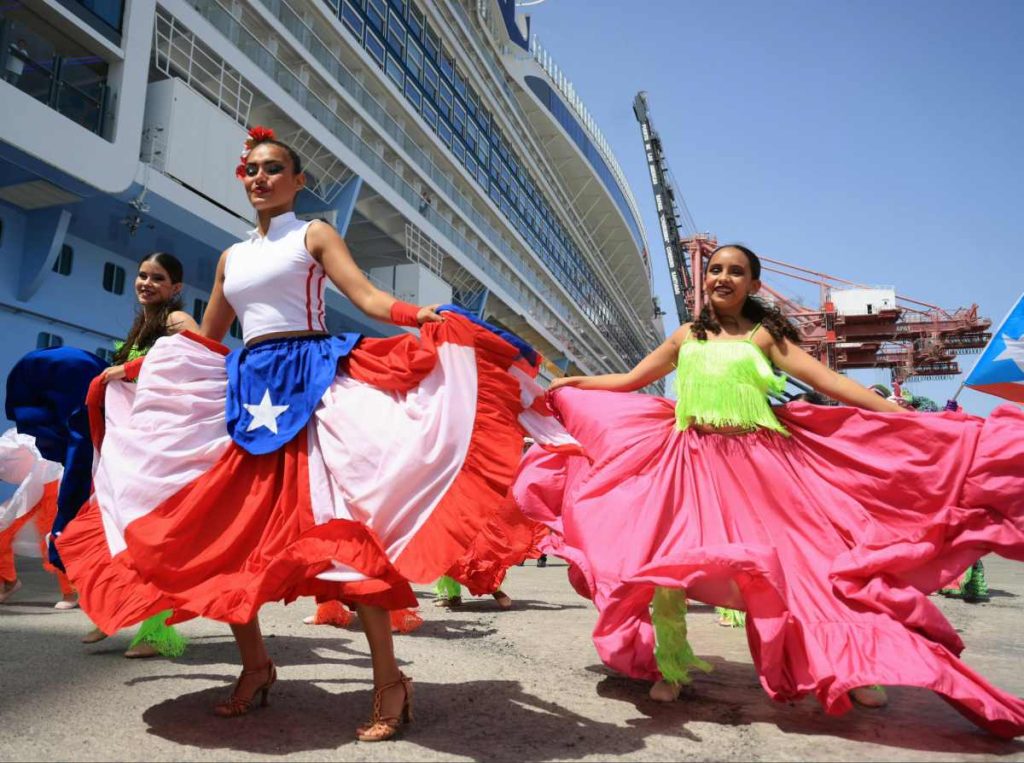
Doing business in Puerto Rico means recognizing the opportunities and pressures of an economy shaped by tourism, global connections, local pride, and the need to move confidently between formal business expectations and vibrant social culture.
Challenges When Doing Business in Puerto Rico
The main challenges when doing business in Puerto Rico come from assuming that familiar US systems mean familiar US business culture.
• Assuming Puerto Rico works exactly like mainland US
• Assuming everyone prefers English
• Moving too quickly into business without rapport
• Ignoring hierarchy and authority
• Misreading warmth as immediate informality
• Using high pressure sales tactics
• Expecting quick decisions
The safest approach is to combine preparation, respect, patience, bilingual awareness and relationship building.
Tips for Doing Business in Puerto Rico
Working effectively in Puerto Rico means respecting both the formal business environment and the personal relationships that make business work.
• Allow time for small talk
• Build trust before pressing for agreement
• Respect senior decision makers
• Use local introductions where possible
• Avoid high pressure tactics
• Confirm agreements clearly
• Be patient with bureaucracy
• Avoid public criticism
• Treat women leaders professionally
• Be careful around political status and US mainland comparisons
Puerto Rican business culture rewards people who are professional, personable, respectful and culturally aware.

Business etiquette in Puerto Rico can vary by generation, with older professionals often valuing formality, titles, and personal introductions, while younger businesspeople may be more relaxed, digitally connected, and comfortable with informal networking.
Business Etiquette in Puerto Rico
Puerto Rican business etiquette combines warmth with polish. Greetings, eye contact, dress, language, business cards, punctuality and dining behavior all help establish credibility.
Greetings and First Impressions
A handshake with direct eye contact and a welcoming smile is standard in business settings.
• Use a firm but friendly handshake
• Maintain eye contact
• Smile warmly
• Use the right greeting for the time of day
• Greet senior people respectfully
• Avoid being overly casual at first
Useful greetings include buenos días, buenas tardes and buenas noches. These small touches help signal respect.
Puerto Rican Business Dress and Appearance
Dress well for business in Puerto Rico. Style is important, even where formality varies by industry.
• Men may wear conservative dark clothing
• A smart guayabera with good trousers may be suitable in some settings
• Women often wear business suits or dresses
• Good grooming matters
• Avoid looking untidy
• Adapt to the sector and level of meeting
Appearance can influence perceptions of professionalism, success and seriousness.
Names, Titles and Respect in Puerto Rico
Use respectful forms of address until invited to become more informal. This is especially important in first meetings, with senior figures or in more traditional settings.
• Use titles where known
• Show deference to senior people
• Avoid over familiarity too early
• Listen to how others address each other
• Adapt as the relationship warms
• Keep the tone polite and professional
Warmth does not mean skipping etiquette.
Puerto Rican Business Card Etiquette and Bilingual Materials
Business cards are exchanged during introductions without elaborate ritual, but bilingual presentation is useful.
• Have one side translated into Spanish
• Present the Spanish side facing the recipient
• Keep cards in good condition
• Make your title and role clear
• Provide written materials in Spanish and English where appropriate
• Check whether an interpreter is needed
This shows preparation and avoids assuming that English is the default business language.
Meetings, Punctuality and Hospitality
Appointments should be made in advance, and foreign visitors should arrive on time.
• Schedule meetings ahead of time
• Arrive punctually
• Allow time for small talk
• Do not rush the opening conversation
• Expect some interruptions
• Follow up clearly after the meeting
Puerto Rican counterparts may not always be strictly punctual themselves, but visitors should still show respect by arriving on time.
Dining and Home Invitations in Puerto Rican Culture
If invited to a Puerto Rican home, treat the invitation as a relationship building opportunity.
• Dress well
• Bring a modest gift
• Show deference to elders
• Wait to be told where to sit
• Expect family style or buffet style meals
• Guests may be served first
• Begin eating when the host says buen provecho
• Keep your hands visible while eating
Home hospitality is warm and attentive. Showing appreciation matters.
Gift Giving in Puerto Rican Business Culture
Business gifts should be modest, thoughtful and relationship based.
Suitable gifts can include:
• Wine
• Flowers
• Chocolates
• Pastries
• A tasteful item from your home country or town
Avoid expensive business gifts, as they may feel inappropriate. Individual gifts are often opened when received, while group gifts may be opened privately to avoid comparisons.
Tipping Culture and US Influence
Tipping in Puerto Rico generally mirrors US service culture. This is one of the everyday ways US influence appears in local etiquette.
Typical expectations include:
• Around 15 percent in restaurants unless service is included
• Around $1 per drink for bartenders
• Around 10 to 15 percent for taxi drivers
Tipping practices may vary by context, but visitors from the US will find them familiar.
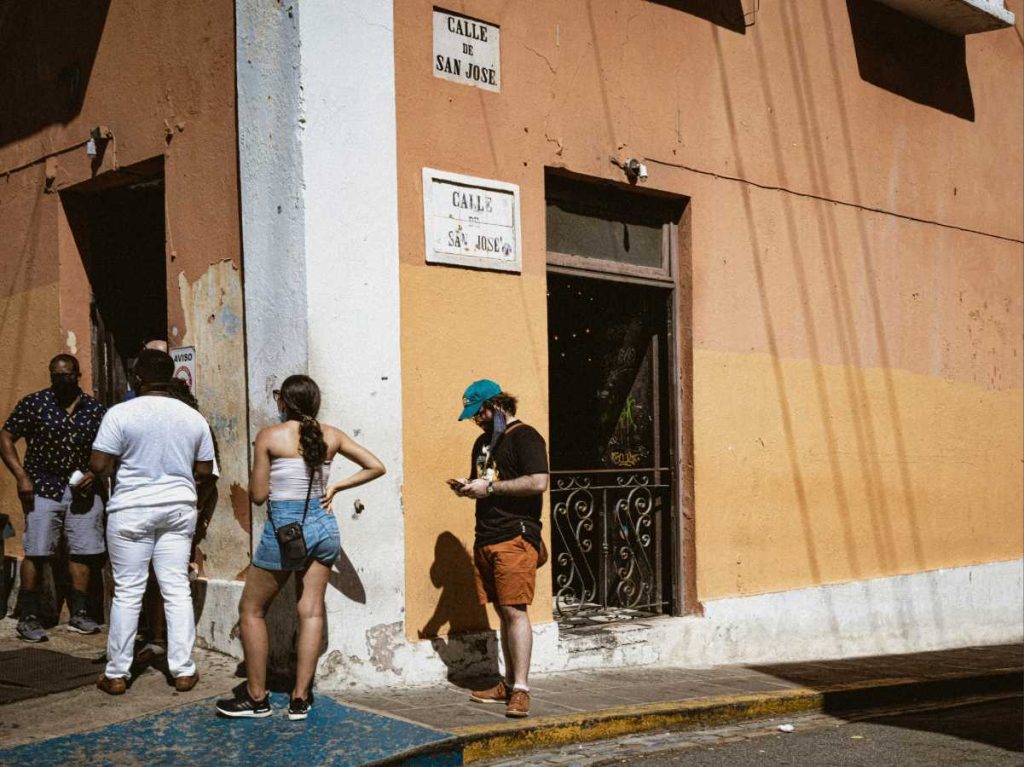
Social etiquette in Puerto Rico is shaped by courtesy, patience, and personal warmth, so even everyday moments like queuing for a shop can involve greetings, conversation, and an expectation of respectful behavior in public.
Social Etiquette and Cultural Norms in Puerto Rico
Puerto Rican social customs are lively, family centered, hospitable and expressive. Food, music, festivals, baseball, religion and cultural pride all shape everyday interaction.
Hospitality and Home Visits in Puerto Rico
Puerto Rican hospitality is warm and attentive. Hosts often make real effort to ensure guests feel welcome and comfortable.
• Accept hospitality graciously
• Compliment the host’s effort
• Do not rush away too quickly
• Bring a small gift when invited to a home
• Dress well
• Show interest in the family and occasion
Hospitality is one of the ways relationships are built, maintained and honored.
Family, Elders and Social Support
Family is central to Puerto Rican social life. Extended family, elders and sometimes godparents can all play important roles in support, identity and decision making.
• Elders should be treated with respect
• Family gatherings may include several generations
• Family obligations are important
• Children are often included in social life
• Major holidays are family centered
• Family networks can overlap with business relationships
Understanding family helps explain many Puerto Rican social and workplace behaviors.
Puerto Rican Food, Music and Everyday Conversation
Food and music are powerful entry points into Puerto Rican life. Conversations often move naturally toward family, food, music, baseball or the island’s political future.
Useful cultural references include:
• Lechón asado
• Arroz con gandules
• Tostones
• Bacalaíto frito
• Salsa
• Reggaeton
• Bomba and plena
• Coffee and harvest festivals
The contrast between luxury tourist meals and everyday snacks such as bacalaíto frito show how wealth and poverty can coexist on the island.
Festivals, Parrandas and Fiestas Patronales
Festivals shape the rhythm of Puerto Rican social life. The Christmas season is especially important and can stretch from Thanksgiving into mid January.
Important celebrations include:
• Las Navidades
• Día de Reyes
• Parrandas
• Fiestas patronales
• Carnaval de Ponce
• Santiago Apóstol in Loíza
• Coffee and harvest festivals
These events show how religion, music, food, family and community overlap. They can also affect business availability, travel, scheduling and social expectations.
Bomba, Plena and Puerto Rican Identity
Music is not background decoration in Puerto Rico; it is a core expression of identity. Bomba and plena reflect African, working class and community traditions, while salsa and reggaeton show Puerto Rico’s global cultural influence.
The Banting source explains that bomba developed from West African traditions and that plena uses a call and response pattern, often telling stories of daily life and struggle.
• Bomba connects music, dance and African heritage
• Plena carries storytelling and community voice
• Salsa is a major cultural export
• Reggaeton reflects modern urban creativity
• Music is a safe and powerful conversation topic
Understanding music helps outsiders understand Puerto Rican energy, creativity and pride.
Baseball, Roberto Clemente and Sport
Baseball is one of the best social reference points in Puerto Rico. Unlike much of Latin America, where soccer dominates, Puerto Rico’s sporting passion is strongly tied to baseball.
Roberto Clemente is more than a sports figure. He represents excellence, humanitarian service and Puerto Rican pride. He died while taking relief supplies to Nicaragua after an earthquake, making him a symbol of talent and generosity.
• Baseball is a strong conversation topic
• Puerto Rico has its own professional league
• Boxing and surfing are also important
• Sport often connects to identity and pride
For visitors, baseball can be a warmer and safer topic than politics.
Conversation Topics and Sensitive Issues in Puerto Rico
Puerto Ricans are often lively conversationalists, but some topics require care.
Good topics include:
• Food
• Music
• Baseball
• Family in general terms
• Travel
• Beaches and local places
• Festivals
• Puerto Rican culture
• San Juan, Ponce, El Yunque or Vieques
Sensitive topics include:
• Political status
• Statehood, independence or commonwealth debates
• US mainland comparisons
• Race and class
• Poverty or crime
• Vieques and US military history
• Religion in critical terms
Political status is widely discussed, but foreigners should listen carefully before offering strong views.
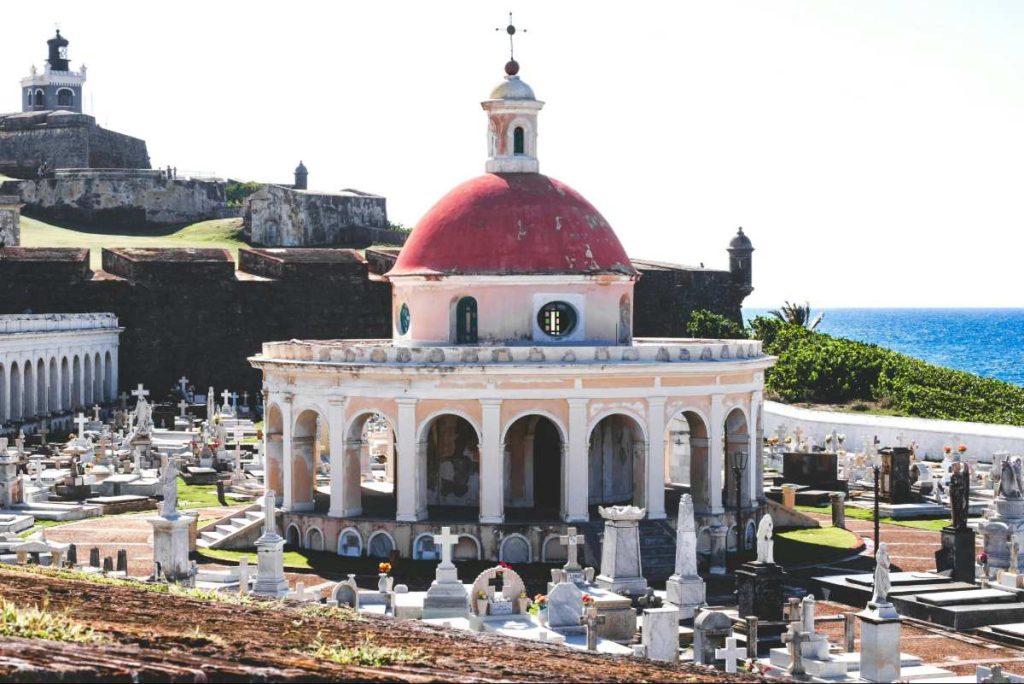
Religion in Puerto Rico is strongly shaped by Roman Catholic heritage alongside growing Protestant and evangelical communities, with faith often influencing family life, festivals, public holidays, and social values.
Religion and Language in Puerto Rico
Religion and language reveal Puerto Rico’s layered identity: Taíno heritage, African traditions, Spanish Catholicism, Protestant influence, Spanish pride and English as a practical business tool.
Catholic Heritage and Religious Freedom
Roman Catholicism remains the dominant religious tradition in Puerto Rico, but religious practice is often culturally blended rather than strictly dogmatic. The sources note that Roman Catholicism came through Spanish rule, while religious freedom is constitutionally protected.
Catholic heritage is visible in family life, holidays, weddings, saint days, festivals, religious art and social values. However, Puerto Rico is not simply a uniformly Catholic society. Protestant churches, Santería, espiritismo, Jewish, Muslim and other communities also form part of the island’s religious landscape.
Taíno, African and Catholic Blending
Puerto Rican religion reflects the island’s history. Taíno beliefs, West African spiritual traditions, Spanish Catholicism and later Protestant influence all contributed to the religious culture.
The Taíno believed in spirits connected to nature, while West African beliefs introduced orishas and spiritual practices that later blended with Catholic saints. The result is a religious world where formal Christianity may coexist with older beliefs, healing practices and spiritual protection.
Mal de Ojo, Espiritismo and Everyday Belief
Everyday belief in Puerto Rico may include ideas such as mal de ojo, spiritual protection, charms, healing traditions and espiritismo.
Mal de ojo, or the evil eye, is the belief that envy or an intense look can cause harm. Some people may use charms or bracelets for protection. Espiritismo blends elements of indigenous belief, West African traditions, Christianity and spiritual communication with the dead.
These beliefs may not appear in formal business settings, but they are part of the wider cultural landscape and help explain why Puerto Rican religion should be understood as layered, not simplistic.
Protestant Influence and US Occupation
Protestant churches grew after the United States took control of Puerto Rico in 1898. Pentecostal, Presbyterian, Methodist, Baptist, Adventist, Mormon and other Protestant communities became active on the island.
Some Protestant groups also became important through social services, including schools, hospitals, universities and community work.
This Protestant growth adds another layer to Puerto Rico’s religious identity and reflects the wider influence of the United States on the island’s social life.
Religious Holidays and the Business Calendar
The business calendar in Puerto Rico is shaped by both Puerto Rican and US holidays. Christmas is especially important because the festive season can extend from Thanksgiving into mid January.
Important dates and periods include:
• Thanksgiving
• Las Navidades
• Christmas Day
• Día de Reyes
• Good Friday
• Patron saint festivals
• Commonwealth Constitution Day
• Emancipation Day
• US linked public holidays
Business visitors should check availability carefully around December and early January, as family gatherings, travel, festivals and celebrations may affect schedules.
Spanish, English and Puerto Rican Cultural Identity
Spanish and English are both official languages, but they do not carry the same cultural meaning. Spanish is the language of everyday life, identity, trust and cultural pride. English is important for business, education, tourism and US connected work.
Puerto Ricans see Spanish as a definite marker of cultural pride and English as a tool necessary for success.
For international professionals, this means:
• Do not assume English is preferred
• Use Spanish greetings
• Prepare bilingual materials
• Respect Spanish as a cultural marker
• Recognize English as practical but not identity neutral
• Use language choices to build inclusion
Language in Puerto Rico is never just technical. It is cultural, emotional and political.
Key Facts About Puerto Rico
• Location: Caribbean, between the Caribbean Sea and the North Atlantic Ocean, east of the Dominican Republic
• Capital: San Juan
• Major business centers: San Juan, Hato Rey, Ponce, Mayagüez, Bayamón and Carolina
• Population: Around 3.2 million
• Official languages: Spanish and English
• Government: Commonwealth of Puerto Rico / Estado Libre Asociado de Puerto Rico
• Currency: US dollar
Cross Cultural Training for Doing Business in Puerto Rico
Commisceo Global provides cross cultural training solutions for organizations working with Puerto Rican colleagues, suppliers, manufacturing partners, pharmaceutical teams, tourism businesses, service centers, bilingual teams and Caribbean regional operations. Our training helps professionals understand how boricua identity, family networks, hierarchy, communication, business etiquette and personal trust shape successful business relationships in Puerto Rico.
Find out more about cross cultural training, how it works and what it does below.

You might also like these articles…

Puerto Rico Management Culture Guide
Management Style in Puerto Rico: A Guide for International Managers Contents hide Management Style in Puerto Rico: A Guide for International Managers Being a Manager…
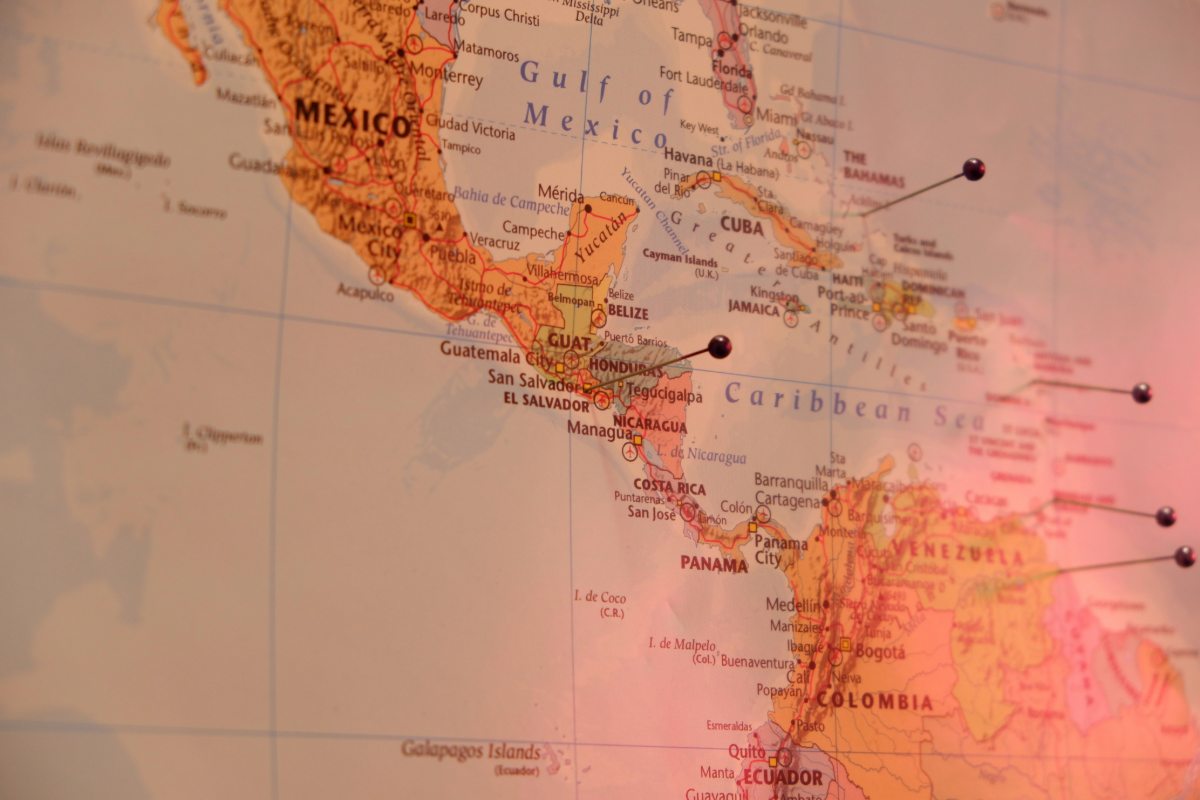
Nearshoring to Latin America and Cross Cultural Training
Cultural Alignment When Working with LATAM Nearshore and Offshore Teams Contents hide Cultural Alignment When Working with LATAM Nearshore and Offshore Teams The Recent Growth…

Dominican Republic Business Culture Guide
Dominican Business Culture: What International Professionals Should Know Contents hide Dominican Business Culture: What International Professionals Should Know Key Insights into Dominican Business Culture Doing…