
Venezuela Business Culture Guide
Understanding Venezuelan business culture is essential for professionals doing business in Venezuela or working with Venezuelan colleagues. This guide explains key aspects of Venezuelan workplace culture, business etiquette, communication styles, relationship building, management practices, and everyday business expectations.
Venezuelan Business Culture: What International Professionals Should Know
As a cross cultural training company, we often see how Venezuela can appear familiar to international professionals at first. Caracas is modern, urban, commercially active, and internationally influenced. Many Venezuelan professionals are confident, sociable, and used to dealing with people from abroad.
However, doing business in Venezuela requires more than understanding what is happening on the surface. It means learning how personal relationships, hierarchy, reputation, and face to face trust shape the way decisions are made and work gets done.
Beneath the surface sits a business culture where access often depends on people, credibility, introductions, and the ability to read status and relationships correctly. Formal systems, contracts, and written communication matter, but they rarely replace the need for personal contact.
A useful idea to keep in mind is that in Venezuela, people often come before rules. Networking, trust, hierarchy, professional image, and careful follow up all play a central role in how business relationships develop.
For international professionals, the challenge is not simply knowing what to do in a meeting. It is understanding what the meeting is really doing. A first meeting may be less about final decisions and more about assessing credibility, social fit, and whether a relationship can move forward. Venezuelan business culture rewards those who combine professionalism with warmth, patience, and strong interpersonal judgment.
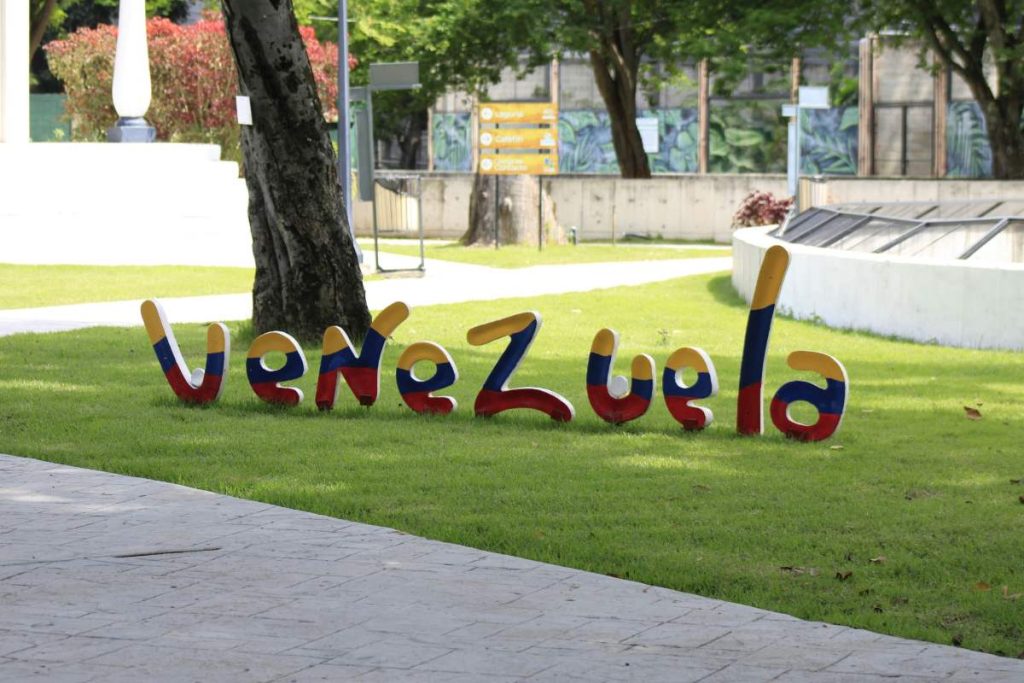
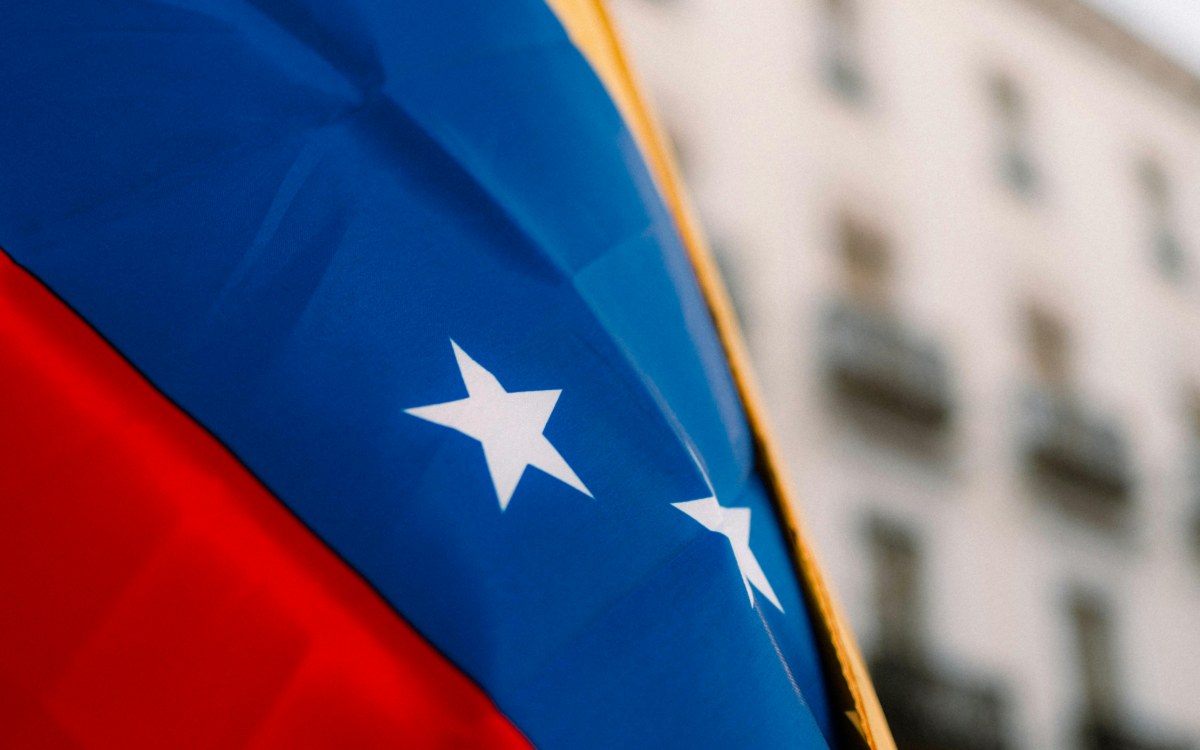
Doing business in Venezuela means understanding the same forces reflected in its flag: the yellow of wealth and resources, the blue of its Caribbean identity, and the red of independence and sacrifice, all of which shape a business culture built on pride, resilience, relationships, and personal trust.
Key Insights into Venezuela Business Culture
Venezuelan business culture is people focused, status aware, expressive, and strongly shaped by personal trust. These are some of the main themes international professionals should keep in mind.
- Relationships and personal contacts are central to business progress
- Networking can create access, credibility, and introductions
- Face to face meetings are often preferred over telephone or written communication
- Hierarchy and senior authority influence decision making
Taken together, these qualities make Venezuela a business environment where personal credibility often matters as much as technical competence. The strongest proposal may still need the right relationship, the right introduction, and the right senior support to move forward.
Professionals who succeed in Venezuela usually avoid a purely transactional approach. They take time to build trust, show respect for status, communicate in person where possible, and follow up patiently.
Understanding Venezuela: Culture, History and Business Context
To understand Venezuela’s business culture, it is important to look beyond the meeting room and consider the country’s history, geography, oil economy, national identity, and regional diversity.
Venezuela occupies a strategic position between South America, North America, and the Caribbean. Its development has been heavily shaped by oil, especially around Lake Maracaibo and Zulia, and by the growth of Caracas as the country’s political and economic center. Oil helped transform Venezuela from a largely agrarian economy into a more urban, modern, and internationally connected society, but it also created strong contrasts between wealth and poverty, city and countryside, and modern consumer culture and local traditions.
National identity is also deeply tied to Simón Bolívar, known as El Libertador, who remains one of Venezuela’s most important symbols. His name appears across the country in monuments, places, institutions, and national memory. This pride in independence and national history sits alongside a wider cultural mix shaped by Spanish, Indigenous, African, European, Arab, and other influences.
Venezuela should not be treated as culturally uniform. Caracas is central, but it is not the whole country. Maracaibo and Zulia have their own strong identity, the Venezuelan Andes are often seen as more traditional and reserved, Los Llanos carry powerful associations with rural identity and folk culture, and coastal areas reflect Afro-Venezuelan and Caribbean influences.
These regional differences can shape communication style, pace, social expectations, and the way people interpret professional behavior. For international professionals, this context matters because business is not separated from society. Understanding Venezuela means recognizing the influence of history, oil, national pride, hierarchy, family, and regional identity on everyday working life.
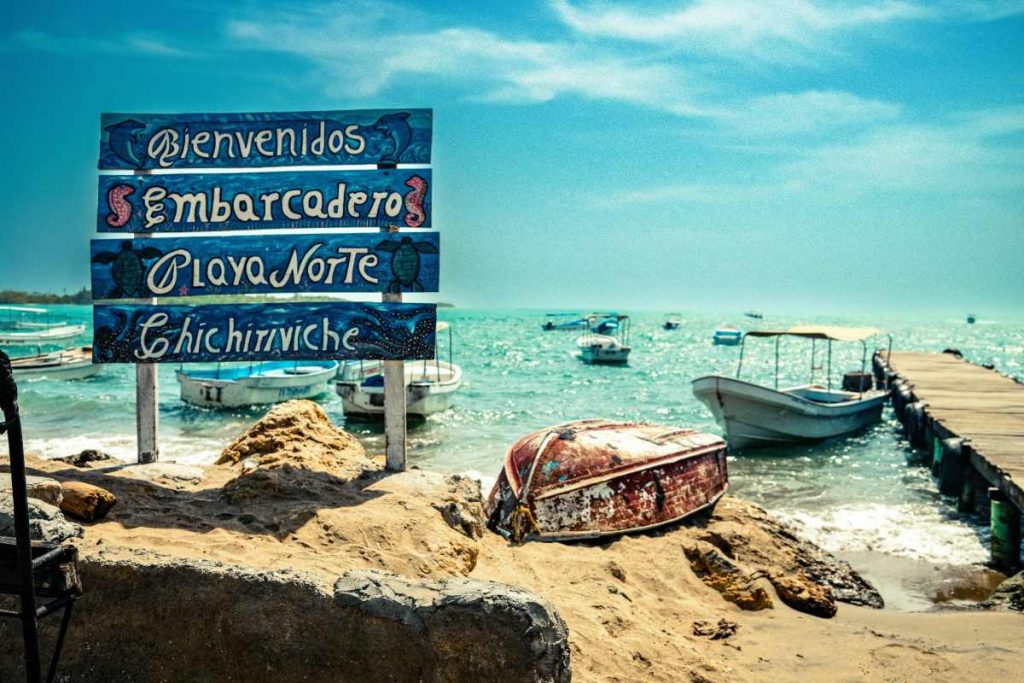
Business practices in Venezuela can vary noticeably by region, with Caracas often feeling more international and fast moving, Maracaibo and Zulia shaped by oil and strong local identity, and the Andes or interior regions placing greater emphasis on tradition, patience, and personal familiarity.
Doing Business in Venezuela: Business Practices and Culture
Doing business in Venezuela is often best understood through the idea that people come before process. Formal systems, contracts, and procedures exist, but relationships, access, reputation, and personal trust often determine how smoothly things move.
Business Relationships in Venezuela
Business relationships in Venezuela matter because trust is usually built through personal contact rather than documents alone. Networking is important because it widens the circle of people who may be able to introduce you, support you, or help you understand how things really work.
- Personal introductions can carry significant weight
- Family ties, friendships, and social connections may influence access
- People often prefer to know who they are dealing with before committing
- Face to face contact helps build confidence and familiarity
- Reputation spreads through networks, so consistency matters
- Business relationships often develop through repeated interaction rather than one meeting
The Venezuelan phrase una mano lava la otra, or “one hand washes the other,” is useful for understanding the importance of reciprocity. It should not be reduced to a simple idea of favors, but it does capture the sense that relationships involve mutual support, obligation, and ongoing connection.
For international professionals, the practical lesson is clear. Do not approach Venezuela as a purely process driven market. Spend time with people, accept introductions, maintain contact, and understand that trust may need to be developed before business can move forward.
Business Meetings in Venezuela
Meetings in Venezuela are important, but they are not always where final decisions are made. They are often spaces for discussion, evaluation, relationship building, and understanding who can be trusted.
- Appointments are expected and should be confirmed in Spanish where possible
- Morning meetings are often preferable
- First meetings are usually formal
- Written materials should ideally be available in both English and Spanish
- Small talk and personal conversation may come before business
- Meetings may be used to exchange ideas rather than reach a final decision
- A thank you note to the most senior executive after a meeting can make a good impression
Venezuelans often prefer face to face meetings because telephone calls and written communication can feel too impersonal. In person conversation allows people to read tone, confidence, presentation, and social fit. It also helps clarify issues that may not be resolved through documents alone.
This means a meeting that appears slow or inconclusive may still be useful. It may be building the personal credibility needed for later progress.
Decision Making in Venezuelan Business
Decision making in Venezuela is often hierarchical, even when discussion appears open and sociable. Seniority, status, social position, professional authority, and personal influence all affect how decisions are made.
- Final decisions are usually made by senior figures
- The person with authority may not always be the person doing most of the talking
- Consultation can happen behind the scenes
- Status, education, and connections may influence credibility
- Public disagreement with senior people should be handled carefully
- Follow up is often needed after meetings
International professionals should avoid assuming that a positive group discussion means a decision has been made. It is better to ask who else needs to be involved, what the next step is, and when it would be appropriate to follow up.
Negotiation Style in Venezuela
Negotiations in Venezuela can take time because they are shaped by consultation, hierarchy, and relationship quality. The process may involve several conversations before agreement is reached.
- Relationship quality can matter as much as the written proposal
- Senior authority is important in final approval
- Negotiations may move through stages rather than quickly toward closure
- Patience and persistence are useful
- Direct pressure can damage trust if it feels disrespectful
- Social competence is important alongside technical preparation
Venezuelan negotiators may be warm and personable, but this should not be mistaken for softness. A friendly atmosphere can coexist with firm bargaining, strong opinions, and careful protection of interests. The most effective approach is to combine clarity with courtesy and patience with steady follow up.
Time, Scheduling and Follow Up
Time in Venezuela should be managed with professionalism, but also with flexibility. Business progress may depend on relationships, senior availability, consultation, and changing priorities.
- Be punctual for business meetings
- Avoid showing visible frustration if schedules shift
- Allow time for relationship development
- Do not expect every issue to be resolved immediately
- Follow up politely and consistently
- Use personal contact where possible rather than relying only on email
Follow up is especially important. A friendly conversation, positive response, or verbal encouragement may not automatically turn into action. Keep the dialogue open, summarize next steps clearly, and maintain the relationship without creating unnecessary pressure.
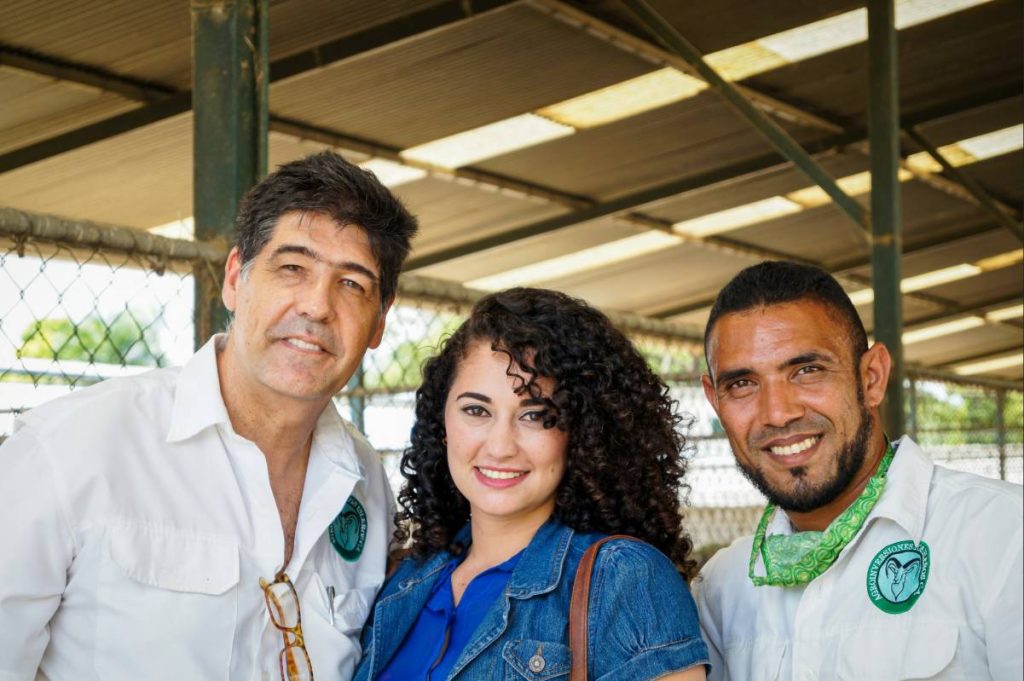
Venezuelan communication is often warm, expressive, and animated, but positive responses should still be confirmed carefully, as friendliness or agreement in conversation does not always mean a final commitment has been made.
Venezuelan Communication Style
The Venezuelan communication style often combines warmth, expressiveness, humor, personal interest, and a strong awareness of status. Messages can feel lively and direct on the surface, but commitment and agreement still need careful interpretation.
Expressive Communication in Venezuela
Venezuelans are often comfortable with animated conversation, gestures, emotion, and personal warmth. This can make business conversations feel energetic and engaging.
- Conversation may be lively and fast moving
- Gestures and facial expression are commonly used
- People may stand closer than in more reserved cultures
- Humor and sociability can help build rapport
- Raised voices or animated delivery do not always signal conflict
- Personal warmth is often part of professional interaction
For professionals from more restrained communication cultures, this style can sometimes feel intense. It is important not to over interpret energy, physical expressiveness, or emotional tone as aggression. In many situations, it is simply part of a more expressive communication style.
Agreement, Meaning and Follow Up
Positive responses in Venezuela should be interpreted with care. A friendly answer may indicate interest, goodwill, or politeness, but not necessarily final commitment.
- A “yes” may mean “I understand,” “I am interested,” or “possibly”
- People may avoid creating discomfort by being too blunt
- Agreement in a meeting may need later confirmation
- Written summaries can help clarify next steps
- It is useful to ask questions gently rather than challenge directly
- Follow up should be consistent but respectful
The safest approach is to separate warmth from commitment. Appreciate the positive tone, but still confirm who is responsible, what has been agreed, and when the next step will happen.
Spanish and Venezuelan Business Communication
Spanish is central to business communication in Venezuela. English may be used in international companies, but it should not be assumed in all business environments.
Spanish is the official language and the main language of daily life and business. Venezuela also has a rich linguistic landscape that includes Indigenous languages such as Wayuu, Warao, Piaroa, Yanomami, Pemón and others, while Italian, Portuguese, Arabic, Chinese, and English are also present through migration and international links.
Even basic Spanish can help build rapport. Greetings such as buenos días, buenas tardes, and buenas noches matter. Local expressions such as chévere, often used to mean good or great, and chamo, an informal term for a young person or friend, can help learners recognize the flavor of Venezuelan Spanish, although they should be used carefully in professional settings.
For business, the key is not slang. It is showing enough language awareness to demonstrate respect, reduce distance, and avoid relying too heavily on translation.
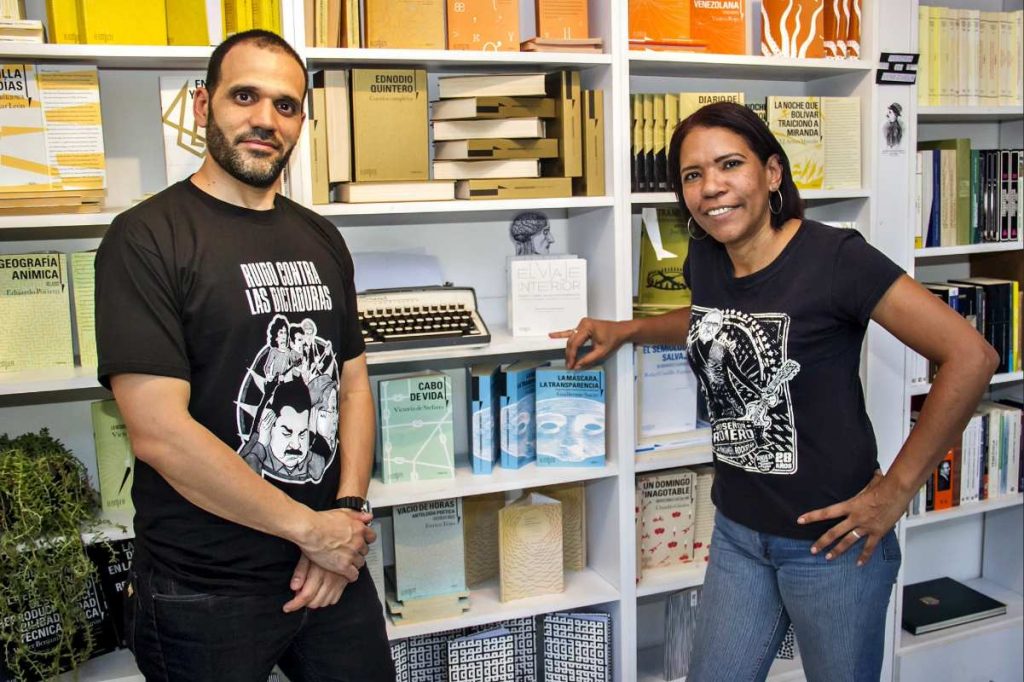
Venezuelan work culture is shaped by personal trust, hierarchy, family and social networks, where credibility often depends not only on competence but also on how well people build relationships and maintain respect.
Workplace Culture and Values in Venezuela
Workplace culture in Venezuela is shaped by relationships, family networks, hierarchy, professional image, and the practical tension between local business expectations and international corporate systems.
People Before Rules in Venezuelan Workplaces
In many Venezuelan work settings, personal relationships help explain how access, cooperation, and opportunity develop. This does not mean that rules are irrelevant. It means that people often need to know, trust, and understand one another before systems work effectively.
- Personal contacts can support professional progress
- Family and social networks may influence opportunity
- Loyalty and trust are important in working relationships
- Face to face interaction can be more effective than written process
- Favors and reciprocity may form part of business relationships
- Reputation and personal credibility matter strongly
Family is central to Venezuelan social life, and that can carry into professional settings. People often rely on trusted circles for help, information, introductions, and reassurance. In local business environments, social affiliations may influence how opportunities develop, how trust is assessed, and how people judge reliability.
For international managers, this means that process alone may not be enough. Relationships need to be cultivated and maintained.
Status, Education and Professional Image
Status matters in Venezuelan professional life. Education, titles, position, dress, and social background can all influence how people are perceived.
- Academic and professional titles should be used until invited otherwise
- Business cards should show qualifications and role clearly
- Senior people should be treated with visible respect
- Dress and grooming influence credibility
- Appearance can signal seriousness and professionalism
- Social standing may affect access to decision makers
This makes first impressions especially important. Looking prepared, well dressed, and professionally presented is not superficial in Venezuela. It is part of showing respect for the person, the meeting, and the opportunity.
Working in Venezuelan and Multinational Organizations
Venezuelan workplace culture can vary significantly between local companies, family influenced firms, public sector settings, and multinational organizations.
Multinational organizations may bring different expectations around supervision, training, compliance, ethics, teamwork, and headquarters control. In these settings, English may be more common, internal procedures may be more formalized, and decisions may require approval through international reporting lines.
Local businesses may place more emphasis on personal networks, trusted relationships, flexibility, and direct access to decision makers. Family businesses, public sector organizations, and internationally exposed companies can all operate differently.
This creates an important point for international professionals. Do not assume every Venezuelan workplace works in the same way. The strongest approach is to observe how authority, trust, communication, and relationships operate in the specific organization.
Management Style in Venezuela
The management style in Venezuela tends to be hierarchical, status conscious, and relationship aware. Leaders are often expected to show authority, confidence, and personal credibility.
Leadership Style in Venezuela
Leadership in Venezuela is often associated with visible authority and personal influence. Senior figures are expected to guide, decide, and represent the organization.
- Authority is usually respected
- Seniority and status carry weight
- Leaders are expected to be confident and decisive
- Personal relationships can support leadership effectiveness
- Professional image helps reinforce credibility
A leader who appears too hesitant or too informal too quickly may struggle to establish authority. At the same time, authority alone is not always enough. Effective leaders also need to build trust and maintain strong working relationships.
Decision Making and Authority in Venezuela
Decision making is often concentrated at senior levels. Even where discussion takes place, final approval may sit with one person or a small group of senior decision makers.
- Understand who has final authority
- Do not rely only on the mood of the meeting
- Allow time for internal consultation
- Respect titles, rank, and seniority
- Avoid pushing junior contacts to make commitments they cannot make
For international professionals, the key is to identify where authority really sits. A positive meeting with middle managers may be useful, but progress may still depend on senior approval elsewhere.
Managing Venezuelan Teams
Managing Venezuelan teams effectively requires a balance of clarity, authority, and personal connection. People may respond well to managers who are confident, respectful, and relationship aware.
- Give clear direction while maintaining warmth
- Build rapport through regular personal contact
- Show respect for hierarchy and experience
- Use private conversations for sensitive feedback
- Recognize the importance of family and social obligations
- Confirm expectations clearly after meetings
Managers who rely only on written instructions may struggle. Managers who combine structure with personal engagement are more likely to build commitment and follow through.
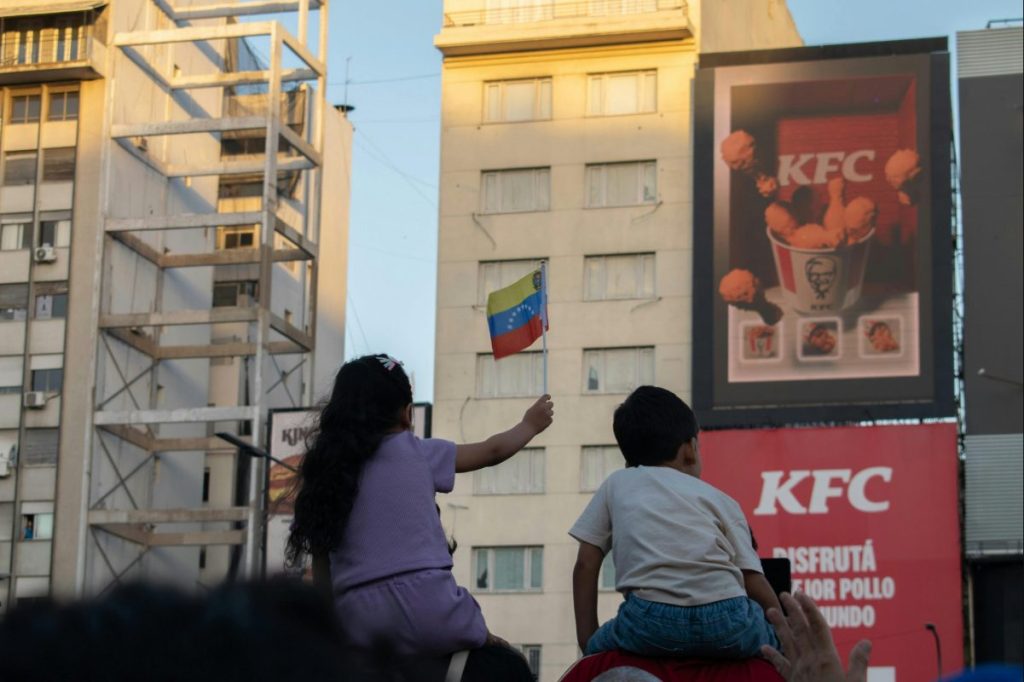
One of the main challenges of doing business in Venezuela is learning to operate in a market where foreign brands, global influences, and modern commercial expectations sit alongside a deeply local business culture shaped by relationships, hierarchy, reputation, and personal trust.
Challenges When Doing Business in Venezuela
Many challenges when doing business in Venezuela come from misreading the social logic behind professional behavior. What looks like delay, informality, or ambiguity may reflect hierarchy, relationship building, consultation, or the need for personal trust.
Common challenges include:
- Relying too heavily on written communication
- Expecting decisions to be made in the first meeting
- Misreading warmth as firm commitment
- Underestimating hierarchy and senior authority
- Ignoring the importance of trusted introductions
- Being too informal before the relationship supports it
- Not following up consistently after meetings
The challenge is not that Venezuelan business culture is inaccessible. It is that success depends on reading relationships, authority, tone, and context as carefully as the commercial opportunity itself.
Tips for Doing Business in Venezuela
Working effectively in Venezuela usually depends on patience, relationship building, professional presentation, and respect for hierarchy.
- Invest time in personal relationships before pushing for outcomes
- Use trusted introductions where possible
- Prioritize face to face meetings over remote contact in the early stages
- Show respect for hierarchy, seniority, and professional titles
- Dress well and pay attention to presentation
- Treat meetings as part of a longer process, not always as the decision point
- Follow up politely and consistently
- Be patient during negotiations and consultation
- Do not assume friendliness means agreement
These adjustments help international professionals build credibility, reduce misunderstanding, and work more effectively with Venezuelan colleagues, clients, and partners.
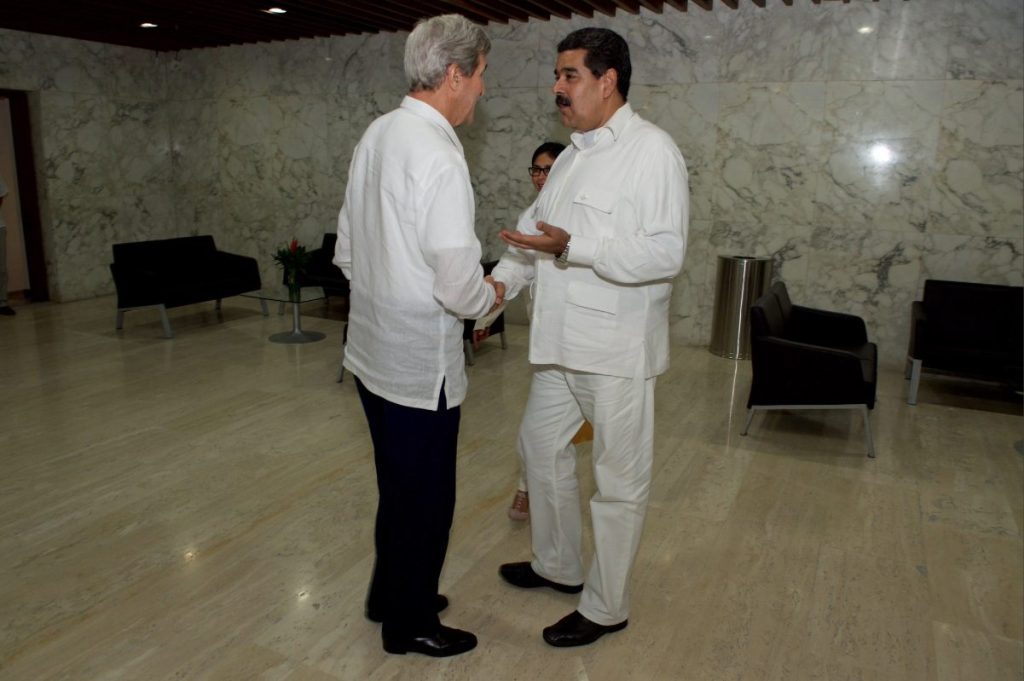
In Venezuela, the traditional white ‘liqui liqui’ reflects a polished sense of masculine formality, linking business etiquette with wider values of presentation, respect, and national identity.
Business Etiquette in Venezuelan Business Culture
Business etiquette in Venezuela reflects courtesy, status awareness, personal warmth, and professional presentation. Small details in greetings, dress, business cards, and follow up can influence how seriously you are taken.
Meeting Etiquette in Venezuela
Greetings in Venezuela should be warm, respectful, and properly handled. They are not just a formality. They help establish tone, status awareness, and social intelligence.
- Use a firm handshake, direct eye contact, and a welcoming smile
- Greet people with buenos días, buenas tardes, or buenas noches
- In groups, greet the eldest or most senior person first
- Say goodbye to each person individually when leaving
- Use academic or professional titles with surnames until invited to be more informal
- Allow the relationship to guide any move to first names
This is a formal business culture, even when people are friendly. Warmth should not be confused with immediate informality.
Business Dress in Venezuela
Appearance matters in Venezuelan business culture. How you present yourself can affect credibility, status, and first impressions.
- Men should usually wear good quality, conservative business suits
- Women should wear polished, stylish, professional clothing
- Grooming and elegance are taken seriously
- It is better to be slightly overdressed than too casual
- Reputable hotels and professional surroundings can also influence perception
Dress is part of the message. It shows that you respect the meeting, the relationship, and the status of the people you are dealing with.
Business Cards in Venezuela
Business cards are important because they communicate role, status, and qualifications.
- Exchange cards during introductions with everyone at the meeting
- Have one side translated into Spanish
- Present the card with the Spanish side facing the recipient
- Include professional and educational qualifications where relevant
- Treat cards respectfully
- Do not write on someone’s card in front of them
Because Venezuela is status aware, the information on the card can carry more significance than in more informal business cultures.
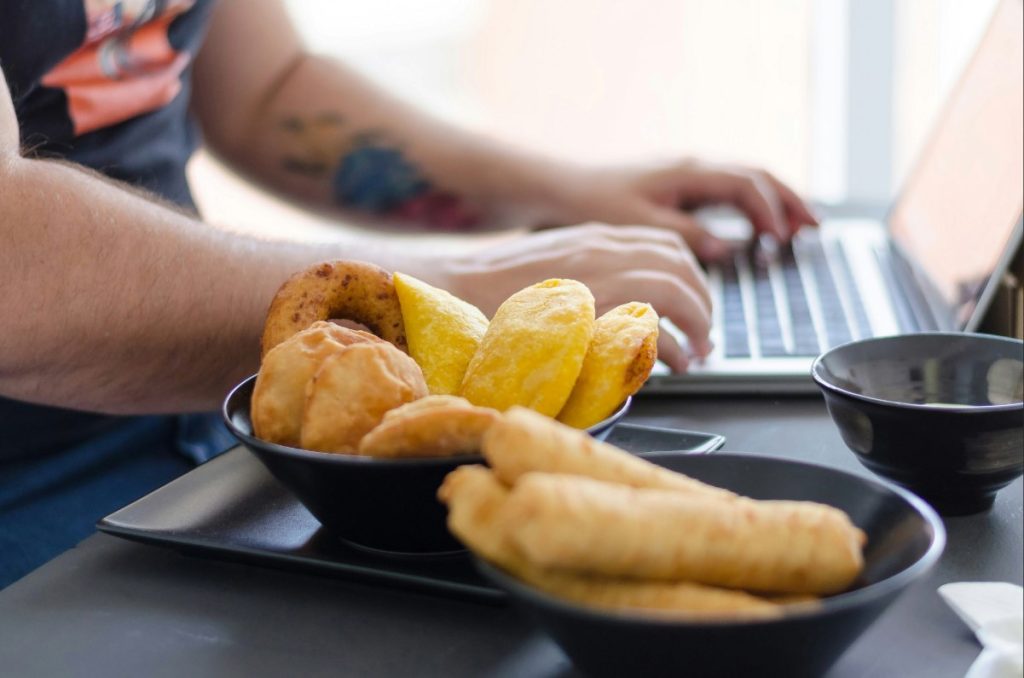
In Venezuela, social customs often revolve around sharing food and conversation, so even a working moment with a laptop can quickly become more sociable when coffee, arepas, tequeños, empanadas, or other fried snacks are placed on the table.
Social Etiquette and Cultural Norms in Venezuela
Venezuelan social etiquette is warm, hospitable, expressive, and relationship focused. Social interaction often overlaps with professional life, especially as trust develops.
Hospitality in Venezuelan Culture
Hospitality is a strong Venezuelan value. Guests are often treated with warmth, attention, and generosity.
- Accept hospitality graciously
- Never decline coffee too casually, as it can be an important symbol of welcome
- Show appreciation for the host’s effort
- Take time for conversation rather than rushing away
- Understand that social warmth can support professional trust
Coffee has particular social significance. Accepting it, or at least acknowledging the gesture warmly, helps show respect for the host and the relationship.
Dining Etiquette in Venezuela
Dining etiquette in Venezuela can be formal, especially in private homes or business related social occasions.
- Arrive 15 to 30 minutes later than the stated time for a dinner invitation
- Dress conservatively but with style
- Wait to be told where to sit
- Wait for the host to say buen provecho before beginning
- Keep your hands visible while eating
- Use utensils for food, including fruit
- Wait for a toast before drinking
- Toasts often use the word salud
- Leave a small amount of food on your plate when finished
Meals can be important relationship building spaces. The conversation around the table may matter as much as the meal itself.
Food, Conversation and Social Life
Food is one of the easiest ways to connect with Venezuelan social life. It reflects the country’s regional diversity, history, and everyday hospitality.
Common references include the arepa, a staple food closely associated with Venezuelan identity, pabellón criollo, often described as a national dish, and pasapalos, small snacks served at social gatherings. Parrilla, seafood, desserts, coffee, juices, and rum also form part of the wider social food culture. The word criollo is especially useful because it often signals something authentically Venezuelan.
For international professionals, knowing these references is not about becoming an expert in cuisine. It is about showing curiosity, respect, and willingness to engage with people beyond the immediate business agenda.
Gift Giving in Venezuela
Gift giving is not always required in business, but it can be meaningful in the right social context.
- If invited to dinner, flowers, especially orchids, may be appropriate
- Avoid handkerchiefs, as they are considered unlucky
- Gifts are usually opened when received
- A handwritten thank you note is appreciated
- Modest, thoughtful gifts are better than anything showy
The gesture should reinforce goodwill rather than create obligation.
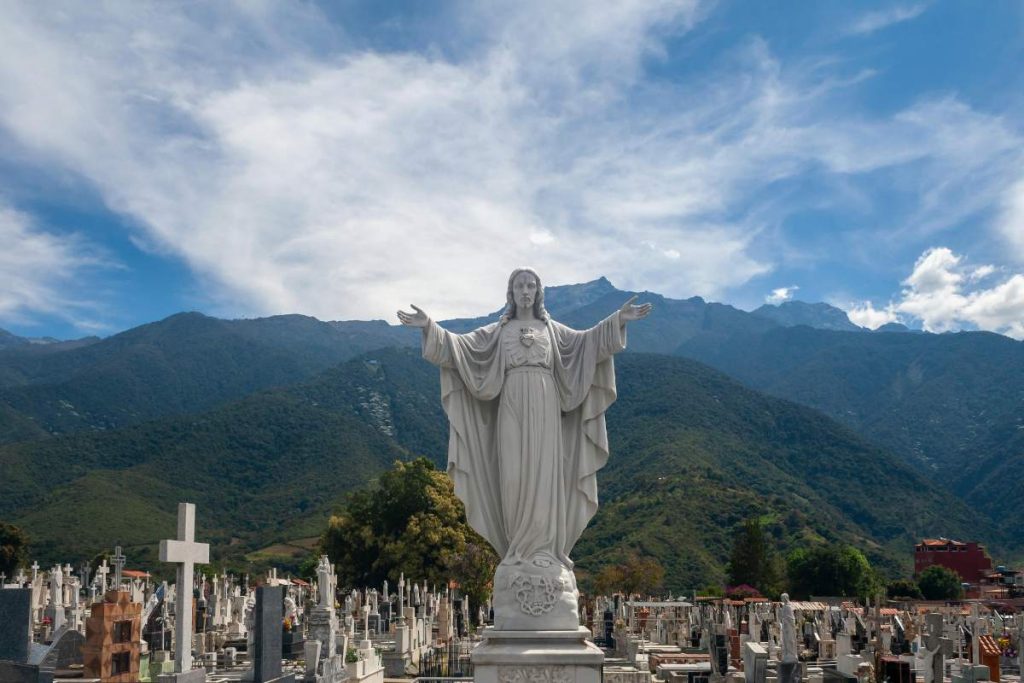
Christianity, especially Roman Catholicism, remains a major influence in Venezuela, shaping public holidays, family traditions, community life, and festivals, while Evangelical churches and other Christian communities also form part of the country’s changing religious landscape.
Religion and Language in Venezuela
Religion and language in Venezuela provide important insight into the country’s identity, values, social life, and communication style.
Religion in Venezuela
Roman Catholicism is the dominant religious influence in Venezuela, but the country’s religious life is wider and more varied than this alone suggests.
Catholic traditions shape many public holidays, family occasions, festivals, and ideas around community and respect. At the same time, Venezuelan religious life also includes popular devotion, Indigenous traditions, Afro Venezuelan influences, and minority faith communities.
Figures and festivals such as María Lionza, the Virgen del Valle, and the Diablos Danzantes de Yare show how religion, regional identity, music, ritual, and popular culture often overlap. Caracas is also home to one of Latin America’s major mosques, reflecting the presence of Muslim communities within the country’s wider religious landscape.
In business settings, religion is not usually the main topic of conversation. However, religious holidays, festivals, family commitments, and social values can influence scheduling, availability, and expectations around respect, hospitality, and community.
Language in Venezuela
Spanish is the official language of Venezuela and the main language of business. However, Venezuela’s language landscape is richer than Spanish alone.
Around 40 languages are spoken in Venezuela, including Indigenous languages such as Wayuu, Warao, Piaroa, Yanomami, Panaré, Pemón, Guahibo, and others. Italian, Portuguese, Chinese, Arabic, and English are also present, while some English words have entered Venezuelan Spanish.
For international professionals, Spanish preparation is important. Even if meetings involve English speakers, greetings, written confirmations, bilingual materials, and basic Spanish courtesies can improve trust and show respect.
Venezuelan Spanish may also feel less formal than Spanish in some other Spanish speaking countries, so listening carefully to tone and context matters. Language is not only a communication tool. It is also a way of showing respect, reducing distance, and building rapport.
Key Facts About Venezuela
- Location: Northern South America, bordering the Caribbean Sea and the North Atlantic Ocean, between Colombia and Guyana
- Capital: Caracas
- Population: Approximately 28.4 million
- Climate: Tropical, hot, and humid, with more moderate conditions in the highlands
Cross Cultural Training for Working with Venezuela
Understanding Venezuelan business culture helps professionals build stronger relationships, communicate with greater confidence, and navigate the local expectations that shape meetings, negotiations, management, and everyday collaboration. For organizations working with Venezuelan colleagues, clients, suppliers, or partners, cultural awareness can make the difference between surface level contact and genuine business trust.
Commisceo Global’s cross cultural training helps international teams develop the practical skills needed to work effectively across cultures. Our training can be tailored to Venezuela or wider Latin American business contexts, giving your people the insight to adapt their communication, build credibility, manage relationships, and approach international work with confidence.

You might also like these articles…
Nearshoring to Latin America and Cross Cultural Training
Cultural Alignment When Working with LATAM Nearshore and Offshore Teams Contents hide Cultural Alignment When Working with LATAM Nearshore and Offshore Teams The Recent Growth…
Colombia Business Culture Guide
Colombian Business Culture: What International Professionals Should Know Contents hide Colombian Business Culture: What International Professionals Should Know Key Insights into Colombian Business Culture Doing…

Cultural Differences in Business: A Guide for Global Teams
How Cultural Differences in Business Influence Team Dynamics Contents hide How Cultural Differences in Business Influence Team Dynamics How Cultural Differences Show Up in the…