
Nicaragua Business Culture Guide
Learning about Nicaragua’s business culture is essential for professionals working with colleagues, clients, suppliers, or partners in Managua and across the country. This cultural awareness guide explores the communication style, hierarchy, workplace values, business etiquette, meetings, and practical tips for doing business in Nicaragua.
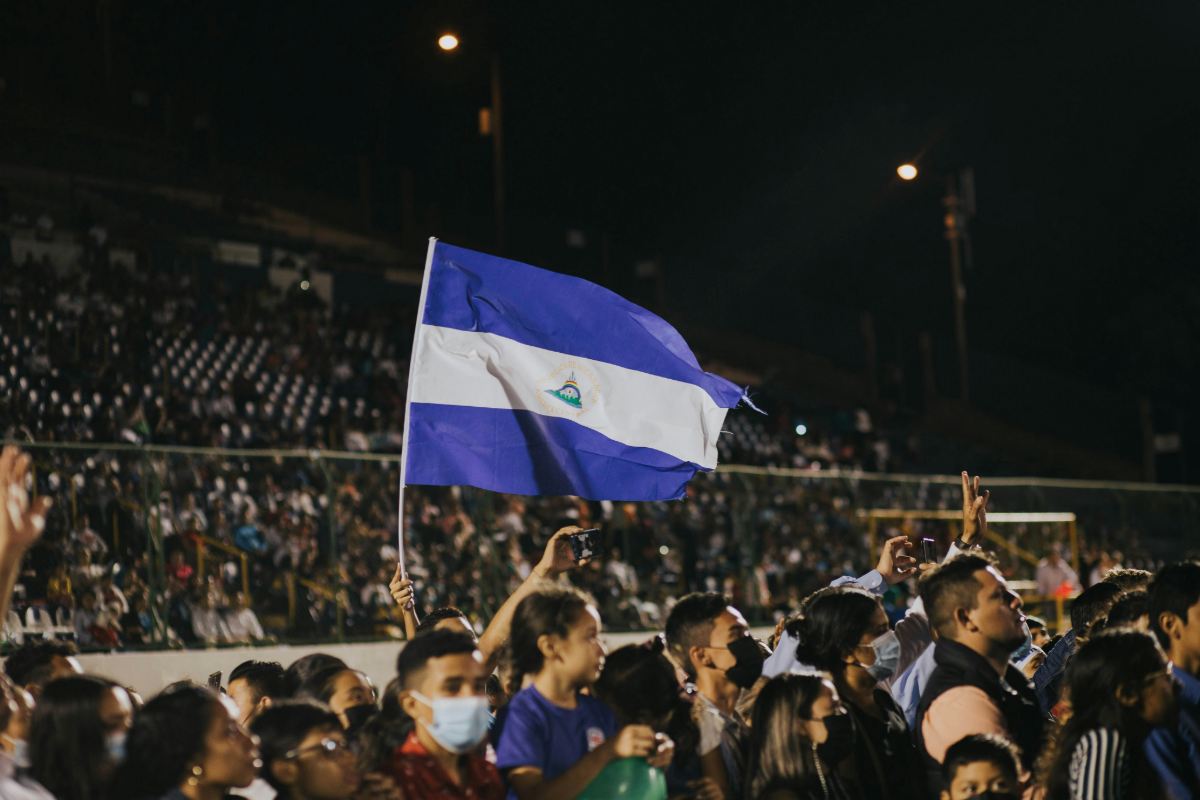
Nicaraguan Business Culture: What International Professionals Should Know
We help organizations new to doing business in Nicaragua understand the country, people and culture through country specific cultural awareness training – in this guide we will share some insights.
Nicaragua is the largest country in Central America and one of its most culturally varied. Known as the land of lakes and volcanoes, it includes the Spanish speaking Pacific lowlands, the northern coffee highlands, and the Caribbean coast, where English Creole, Miskito, Rama, Sumo, and Garifuna influences are important.
Business in Nicaragua often begins in Managua, the country’s political, commercial, and administrative center. However, the wider business environment also includes family run companies, agricultural regions, maquilas, tourism centers, coffee farms, markets, ports, and Caribbean communities with very different histories and expectations.
For international professionals, the key is to understand that trust usually comes before process. Strong proposals matter, but so do face to face contact, personal credibility, knowing who can sign off, and reading the local context carefully. To work well with Nicas, or Pinoleros, it helps to understand the social world behind business: family, humor, food, history, local speech and everyday relationship building.
Let’s explore more…
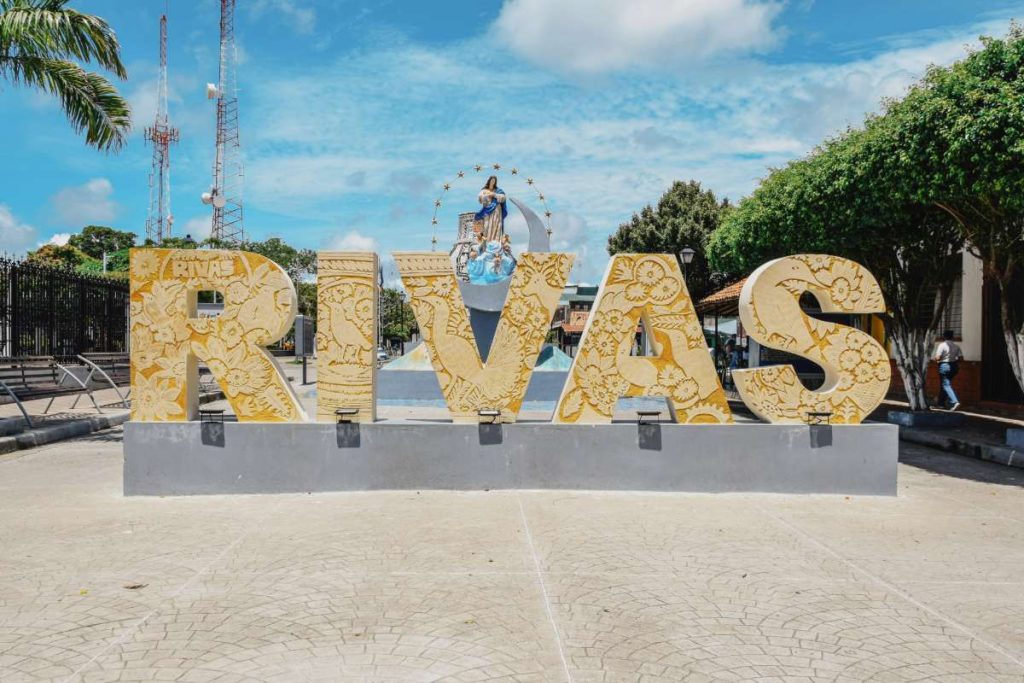
Doing business in Nicaragua means knowing exactly where and who you are working with, as expectations in a place like Rivas can differ from Managua, the northern highlands or the Caribbean coast, with local relationships, sector, language and community ties shaping how business gets done.
Key Insights into Nicaraguan Business Culture
Nicaraguan business culture is relationship led, hierarchy aware and strongly influenced by personal trust.
These are the main themes international professionals should keep in mind:
• Relationships and personal trust shape business progress
• Face to face contact is often more effective than email alone
• Family run businesses remain common
• Hierarchy and knowing who can sign off are important
• Several visits may be needed before progress appears
• Dale pues captures a local way of confirming, agreeing or moving something forward
• Ipegüe reflects the small extra gesture that can make everyday exchange feel more personal
• Regional differences matter between the Pacific, highlands and Caribbean coast
• Nica Time can affect scheduling and follow up
• Informal networks can shape access, opportunity and decision making
In practice, doing business in Nicaragua means combining commercial clarity with relationship building, patience and cultural awareness.
Understanding Nicaragua: Culture, History and Business Context
To understand the business culture in Nicaragua, it helps to understand the country’s geography, history, resilience, and regional differences.
Nicaragua borders Honduras to the north and Costa Rica to the south, with the Pacific Ocean to the west and the Caribbean Sea to the east. Its landscape includes Lake Nicaragua, also known as Lago Cocibolca, Lake Managua, or Lago Xolotlán, the island of Ometepe, the Río San Juan, the volcanoes of Masaya, Mombacho and Cerro Negro, and the coastal communities of the Mosquito Coast.
Managua is the main business and government hub, but it is not the whole country. León and Granada carry strong colonial and intellectual identities, Masaya is associated with crafts and markets, Matagalpa and Jinotega are important coffee areas, Estelí is known for tobacco and cigars, and Bluefields, Bilwi, Puerto Cabezas and the Corn Islands reflect Caribbean and Afro Indigenous influences.
Important context for business includes:
• Managua is the main center for government, commerce, finance and administration
• León and Granada carry major historical, cultural and professional importance
• Matagalpa, Jinotega and Estelí connect business with coffee, tobacco and highland agriculture
• Bluefields, Bilwi and the Corn Islands reflect Caribbean, Creole and Miskito influences
• Lake Nicaragua, Ometepe and the volcanoes are central national reference points
• Coffee, tobacco, rum, tourism, agriculture, remittances and maquilas all shape the economy
• Family businesses remain common, even as the private sector grows
• Nicañol, or Nica speak, gives local Spanish its distinctive flavor
• Pulperías, ventas and markets show how family enterprise and neighborhood commerce remain part of daily life
Nicaragua’s history also shapes business culture. Spanish colonial rule, US intervention, the Somoza dictatorship, the Sandinista Revolution, the Contra War, Hurricane Mitch, political polarization and periods of economic hardship have all contributed to a strong sense of resilience and national pride.
For international professionals, this means Nicaragua should not be approached only through formal market data. Business relationships are influenced by history, trust, family, social networks, language and local realities.
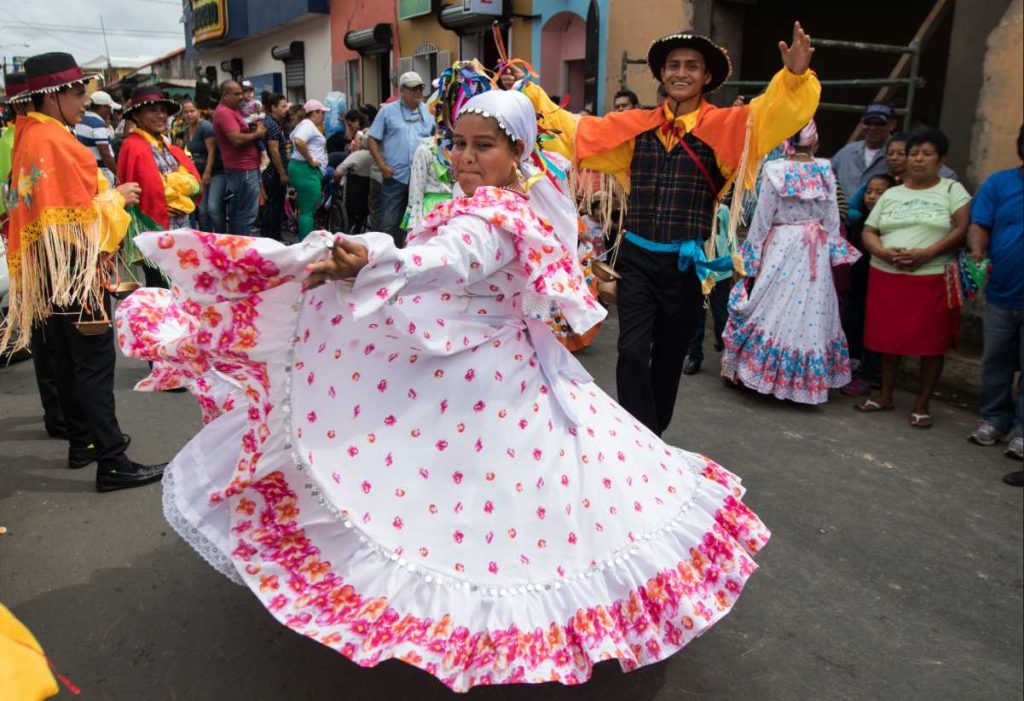
Foreigners doing business in Nicaragua need to understand the rhythm of local life, where carnivals, fiestas patronales, family celebrations and religious festivals can shape availability, working patterns and the pace of business.
Doing Business in Nicaragua: Business Practices and Culture
Doing business in Nicaragua requires time, trust and an understanding of how personal networks influence formal processes.
Contracts, meetings and paperwork matter, but they usually work best when supported by face to face contact, reliable local partners and an understanding of who holds authority.
Business Relationships in Nicaragua
Business relationships in Nicaragua often develop through personal contact rather than process alone.
A strong proposal may open the conversation, but trust helps move it forward. Nicaraguan business culture places value on personal credibility, warmth, repeated contact and keeping relationships active.
• Business often starts with personal trust
• Introductions and networks can create credibility
• Face to face contact matters, especially at the beginning
• Email alone is rarely enough for important relationships
• Several visits may be needed before results appear
• Contacts need to be maintained after the first meeting
• Family businesses may blend personal and commercial relationships
The everyday world of the pulpería or venta helps explain this relationship based approach. Business is often close to family, neighborhood, reputation and trust, not separated into a purely transactional space.
In practice, personal credibility and relationship maintenance can be as important as the strength of the proposal.
Business Meetings in Nicaragua
Business meetings in Nicaragua often begin with personal conversation before moving into detail.
Conversation about family, hometown, travel, or impressions of Nicaragua can help establish rapport. This is not wasted time. It helps people judge the person behind the business proposal.
• Meetings should be arranged in advance
• First meetings may begin with friendly conversation
• Family, hometown and impressions of Nicaragua are common rapport topics
• Spanish language materials are useful
• Seniority may influence who speaks and who decides
• Written follow up helps confirm next steps
• A positive meeting does not always mean a decision has been made
A phrase like dale pues may sound like agreement or momentum, but visitors should still confirm exactly what has been decided, who is responsible and what happens next.
In practice, meetings should be treated as part of a wider relationship process, not just a place to exchange information.
Time and Scheduling in Nicaragua
Time and scheduling in Nicaragua may feel more flexible than in highly clock driven business cultures.
Nicaraguans may refer to a relaxed approach to time as Nica Time. Visitors should still be punctual, but they should be prepared for delays, changes and slower follow up.
• Schedules may be more flexible than some visitors expect
• Visitors should still arrive punctually
• Follow up may take longer than expected
• Traffic and practical issues in Managua can affect timing
• Several visits may be needed for meaningful progress
• Build buffers into meeting and decision timelines
• Confirm appointments and next steps clearly
In practice, patience is important. Delays should be managed carefully, but not interpreted too quickly as lack of interest.
Decision Making in Nicaragua
Decision making in Nicaragua is often shaped by hierarchy, personal authority and informal influence.
Knowing who can sign off is essential. In family businesses, authority may sit with owners or senior family members. In larger organizations, decision making may involve senior leaders, advisers, legal teams or personal networks.
• Knowing who can approve the next step is important
• Senior decision makers may not always be visible in the first meeting
• Family businesses may concentrate authority in a small group
• Informal networks can influence access and progress
• Red tape can slow down formal approvals
• Local advisers can help interpret who has influence
• Written confirmation helps clarify what has actually been agreed
In practice, progress depends on understanding both the official structure and the people who can influence decisions behind the scenes.
Negotiation Style in Nicaragua
Negotiation in Nicaragua works best when trust is built before pressure is applied.
A direct push for quick agreement may not work if the relationship is new, the decision maker is not present, or legal and administrative issues still need to be checked.
• Build trust before pushing hard on commercial details
• Avoid aggressive or high pressure tactics
• Keep the tone friendly and respectful
• Confirm details in writing
• Contracts should be translated and checked carefully
• Local legal advice is useful
• Be clear on compliance boundaries
The idea of ipegüe, the small extra added in a market exchange, is useful as a cultural image. Nicaraguan business relationships are strengthened by gestures that show goodwill, but international professionals must keep that separate from anything that could be seen as improper influence.
In practice, successful negotiation depends on balancing commercial clarity with patience, respect and relationship awareness.
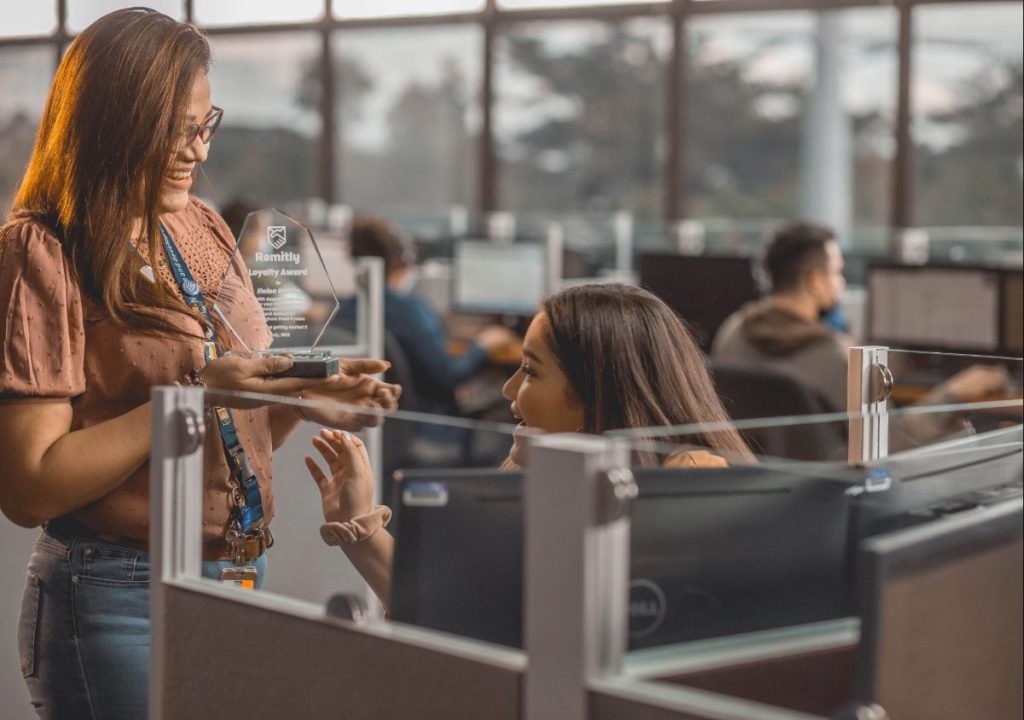
Nicaraguan communication style can vary widely by setting, so US companies nearshoring to Managua may find a more international, digital and task focused style than in rural or traditional sectors, while still needing to read hierarchy, relationship cues and local expectations carefully.
Communication Style in Nicaragua
Communication in Nicaragua is usually warm, friendly and relationship focused, but it also depends on region, status and language.
International professionals should pay attention to tone, body language, who is in the room, and whether communication is taking place in formal Spanish, local Nicañol, English Creole or another regional language.
Spanish, Nicañol and Regional Language Differences
Spanish is the main business language in Nicaragua, but language varies across the country.
Nicaraguan Spanish has its own local flavor, often called Nicañol or Nica speak. On the Caribbean coast, English Creole, Miskito, Rama, Sumo and Garifuna are also part of the country’s language landscape.
• Spanish is the main business language
• Nicañol gives Nicaraguan Spanish its local character
• English Creole is important on the Caribbean coast
• Miskito, Sumo, Rama and Garifuna are part of Nicaragua’s language diversity
• English may be found in tourism and international circles, but should not be assumed
• Language choice can signal region, identity and social background
• A few local expressions can help build rapport
In practice, language awareness shows respect for Nicaragua’s cultural diversity and helps avoid assuming that Managua represents the whole country.
Warmth, Humor and Indirect Meaning
Nicaraguan communication often combines warmth, humor and personal pride.
People may use friendly conversation, jokes and local expressions to build connection. Terms such as tuani, diacachimba or salvaje can help show the local flavor of everyday speech, but slang should be used carefully and only when the relationship allows it.
• Warmth and friendliness are important
• Humor helps build connection
• Direct criticism can feel uncomfortable
• Pride in Nicaragua should be respected
• Avoid blunt comments on politics, poverty or national problems
• Positive conversation helps relationships develop
• A friendly tone does not always mean final agreement
Nicaragua also has a long tradition of satire and indirect critique, captured powerfully in El Güegüense, or Macho Ratón. This makes humor more than entertainment; it can be a way of commenting on power, status and social reality without speaking too directly.
In practice, it is better to clarify gently and respectfully than to challenge bluntly or assume that warmth equals commitment.
Body Language and Gestures
Body language in Nicaragua can carry important meaning.
Some gestures may be unfamiliar to visitors, so it is useful to understand local signals before misreading them.
• Nicaraguans may point with their lips rather than fingers
• Scrunching the nose may show confusion or lack of understanding
• Tapping the elbow can suggest someone is tight fisted
• Flat palms can mean “I’m broke” or estoy palmado
• Rubbing index fingers can signal payment
• Direct pointing may feel rude
• Beckoning with fingers upward can seem aggressive
In practice, observe carefully before copying gestures, and avoid body language that may appear impatient or confrontational.
Pacific, Highland and Caribbean Communication
Communication style differs between Managua, the Pacific cities, the northern highlands and the Caribbean coast.
Managua business settings may be more formal and Spanish dominant. The northern highlands may feel more reserved, while the Caribbean coast has its own Afro Caribbean, Creole and Indigenous communication patterns.
• Managua business settings may be more formal and Spanish dominant
• León and Granada carry strong historical and cultural identities
• Northern highland communities may feel more reserved
• The Caribbean coast has English Creole, Miskito and Afro Caribbean influences
• Communication expectations vary by region, class, sector and language
• Local interpretation can be useful outside familiar business settings
In practice, Nicaragua’s communication culture is not one single style. It changes by region, language, sector and relationship.
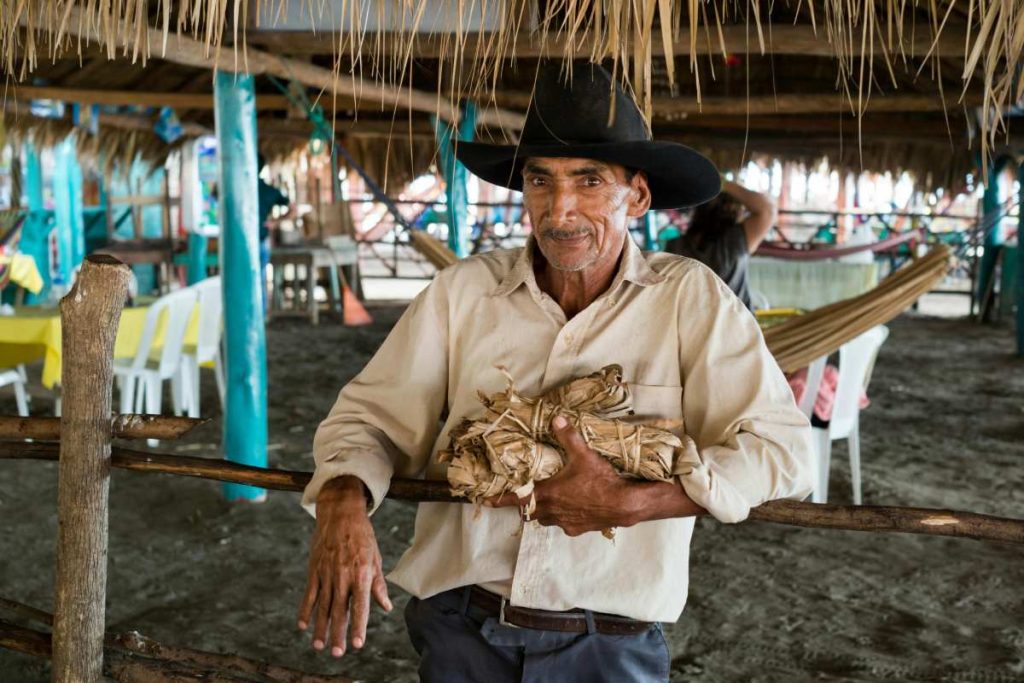
Nicaraguan work culture is strongly shaped by resilience, self reliance and rural values, with figures such as the cowboy reflecting the importance of land, family responsibility, practical skill and personal reputation in everyday working life.
Workplace Culture and Values in Nicaragua
Nicaraguan workplace culture reflects family, trust, resilience, informality, hierarchy and adaptation.
Workplace expectations vary widely between Managua offices, family businesses, informal enterprises, maquilas, tourism operations, agriculture, coffee farms, markets and Caribbean coast contexts.
Family, Trust and Personal Networks
Family and personal networks are central to Nicaraguan social and professional life.
Trust often grows through repeated contact, reliability and personal recommendation. Friends, colleagues and family connections may influence access to opportunities, introductions and hiring.
• Family is central to social and professional life
• Personal networks can shape access and opportunity
• Friends, colleagues and family contacts may influence recruitment
• Loyalty and reliability matter
• Trust often grows through repeated contact
• Family run businesses remain common
• Professional relationships may carry a personal dimension
In practice, relationships in Nicaragua are rarely purely transactional. Trust, loyalty and personal reputation often shape how work gets done.
Resilience, Pride and National Identity
Nicaraguan workplace values are shaped by resilience, pride and a strong sense of national identity.
Nicas, also known as Pinoleros, are often proud of their ability to endure hardship and rebuild. Figures such as Sandino, cultural icons such as Rubén Darío, and events such as the Sandinista Revolution remain powerful parts of national memory.
• Nicas are often proud of their resilience
• Pinolero identity connects national pride with everyday food, language and belonging
• Political history remains part of national identity
• Sandino is a powerful symbol of sovereignty and resistance
• Rubén Darío is central to literary and cultural pride
• The Sandinista Revolution and Contra War still shape memory
• Respect for national dignity matters in conversation
In practice, showing interest in Nicaragua’s history and culture can build rapport, but sensitive political topics should be handled carefully.
Work, Enterprise and Informality
Nicaragua’s work culture includes both formal organizations and a large informal economy.
Formal employment, self employment, household enterprises, agriculture, markets, maquilas and tourism all sit alongside one another. This creates very different expectations around work, contracts, income, security and opportunity.
• Formal and informal work often coexist
• Self employment and household enterprises are important
• Agriculture remains significant
• Maquilas and export processing zones provide manufacturing employment
• Tourism, coffee, cigars, cacao and rum are important economic references
• Women are active in markets, food outlets, retail and entrepreneurship
• Work expectations vary widely by sector and location
The pulpería, venta and market stall are important business symbols because they show how work, family and community can be closely connected in everyday economic life.
In practice, foreign organizations should avoid assuming that workplace norms in Managua offices apply equally to rural, informal, manufacturing or Caribbean coast contexts.
Management Style in Nicaragua
The management style in Nicaragua is shaped by hierarchy, personal credibility, trust and respect for authority.
Managers are often expected to provide direction, but effective leadership also depends on warmth, consistency and understanding the informal networks that influence cooperation.
Leadership Style in Nicaragua
Leadership in Nicaragua often combines authority with personal relationship building.
Employees may look to leaders for direction, decisions and protection of the team. At the same time, overly distant leadership can weaken trust.
• Seniority and authority matter
• Leaders are expected to provide direction
• Personal credibility strengthens leadership
• Warmth and approachability help build trust
• Status and role boundaries should be respected
• Overly casual leadership may not always work
• Consistency is important for loyalty
In practice, effective leaders combine clear direction with personal awareness and respect.
Decision Making and Authority in Nicaragua
Decision making often depends on knowing who can approve or sign off.
In family businesses and hierarchical organizations, authority may sit with a small group of senior people. In other settings, informal consultation can shape the outcome.
• Final approval may sit with senior figures
• Family companies may concentrate authority
• Informal influence can matter
• Red tape may slow decisions
• The person in the meeting may not be the final decision maker
• Follow up should be respectful and persistent
• Identifying the real decision pathway is essential
A friendly dale pues can suggest momentum, but managers should still clarify responsibilities, deadlines and formal approval points.
In practice, managers and visitors should look beyond the meeting agenda to understand where authority and influence actually sit.
Managing Nicaraguan Teams
Managing Nicaraguan teams requires clarity, respect, patience and sensitivity to context.
Expectations may vary between Managua, the highlands, the Caribbean coast, family businesses, international firms, maquilas and younger professional teams.
• Give clear expectations and instructions
• Build trust through consistency
• Respect seniority and role boundaries
• Avoid public criticism
• Give feedback privately and tactfully
• Women play important roles in management, markets and entrepreneurship
• Younger professionals may be more digital, direct and internationally exposed
• Do not assume Managua business expectations apply everywhere
In practice, managers who combine structure with relationship awareness are more likely to build cooperation and loyalty.
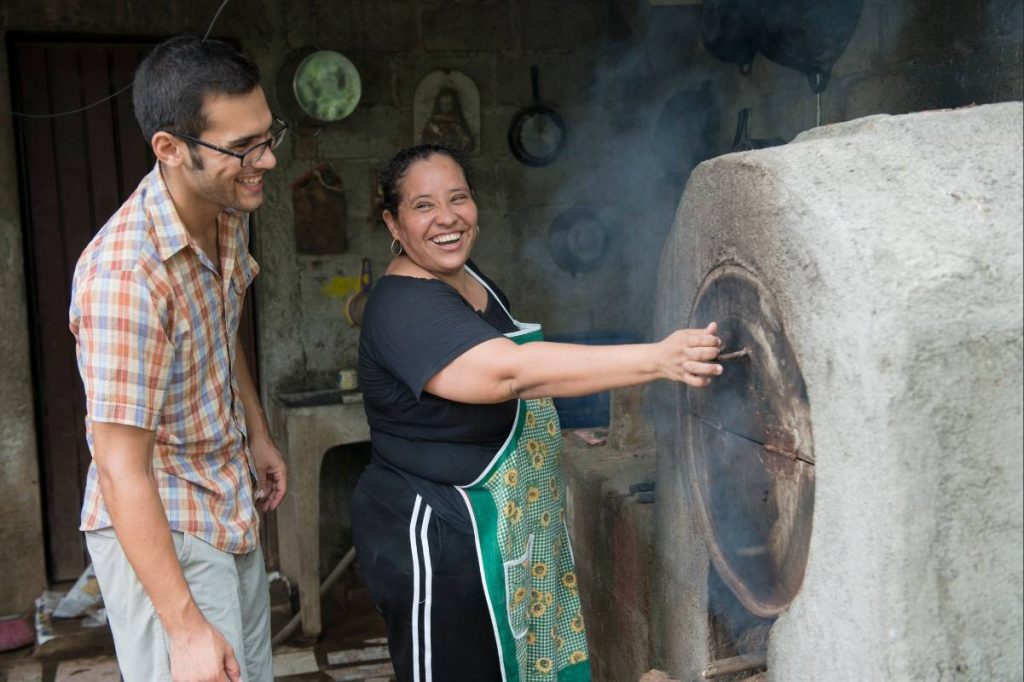
One challenge of doing business in Nicaragua is understanding an economy where many people work through small or micro businesses, family enterprises and informal trade, meaning that trust, cash flow, local networks and limited resources often shape how quickly business can move.
Challenges When Doing Business in Nicaragua
Nicaragua can be a rewarding market, but international professionals may face challenges if they underestimate relationships, hierarchy, time and regional difference.
Common challenges include:
• Building relationships before business moves forward
• Avoiding over reliance on email
• Managing compliance and corruption risks
• Working across formal and informal sectors
• Managing language differences and English expectations
• Recognizing that warm conversation does not always mean agreement
Most challenges are not about lack of professionalism. They come from misreading how trust, authority, communication and local context shape business behavior.
Tips for Doing Business in Nicaragua
Working effectively in Nicaragua usually depends on patience, trust and respect for local ways of building relationships.
Practical tips include:
• Invest time in relationships
• Meet face to face whenever possible
• Keep contacts fresh through regular communication
• Identify decision makers early
• Be patient with follow up
• Dress smartly in Managua business settings
• Use local legal and translation support
• Work with reputable partners
• Learn a few Nica expressions such as tuani or dale pues, but use slang carefully
• Avoid blunt criticism of politics, poverty or national problems
• Build extra time into meetings and paperwork
These adjustments help international professionals build credibility, avoid misunderstandings and work more effectively with Nicaraguan colleagues and partners.
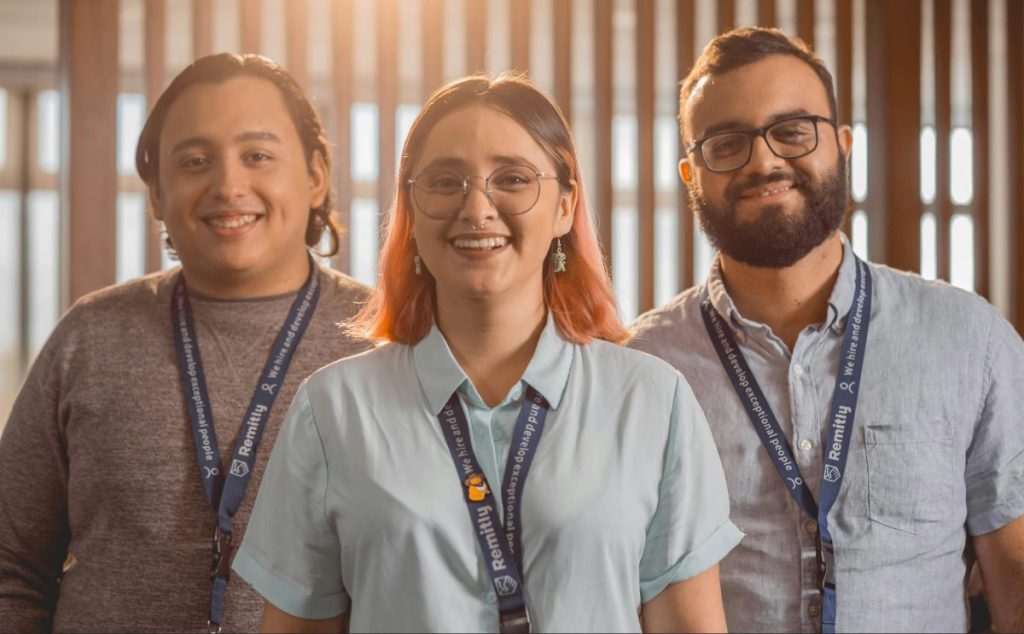
Business etiquette in a Managua nearshoring operation may feel more international and fast paced, but respect still shows through punctuality, clear follow up, professional presentation and taking time to build friendly working relationships with colleagues.
Business Etiquette in Nicaragua
Business etiquette in Nicaragua reflects respect, warmth, hierarchy and professional presentation.
Good etiquette helps establish credibility and shows that you understand the importance of relationships, first impressions and personal trust.
Greetings and First Impressions
First impressions matter in Nicaragua, especially in formal business settings.
Meetings may begin with a professional tone, but friendliness and personal conversation are also important.
• Greet people properly before starting business
• Use a handshake in formal business settings
• Maintain a respectful and friendly tone
• Allow time for personal introduction
• Do not rush immediately into the agenda
• Show interest in the person as well as the proposal
• Let your host guide the rhythm of the meeting
In practice, greetings are not just polite routine. They help establish trust and credibility.
Meetings, Titles and Professional Respect
Professional respect is shown through formality, seniority awareness and careful follow up.
It is usually better to begin formally and become more relaxed only when invited to do so.
• Respect senior people in the room
• Address senior figures appropriately
• Use Spanish materials for formal meetings where needed
• Avoid interrupting or openly challenging senior people
• Clarify who can sign off on the next step
• Follow up carefully after meetings
• Confirm next steps without sounding impatient
In practice, professional respect helps protect the relationship and keeps communication constructive.
Business Dress in Nicaragua
Business dress in Nicaragua should be smart and professional, especially in top level Managua meetings.
Dress expectations vary by sector, climate and location, but appearance still affects credibility.
• Dress smartly for first meetings
• Formal dress is safer in Managua business settings
• Men may wear a dark suit and tie for top level meetings
• Women should choose smart professional clothing
• A neat guayabera or short sleeves may be acceptable in some settings
• Dress may be more relaxed outside formal Managua contexts
• Neatness and grooming are important
In practice, dressing well signals that you take the meeting and the relationship seriously.
Hospitality, Gifts and Compliance
Hospitality can support relationship building in Nicaragua, but business boundaries still matter.
Meals, coffee and conversation can help build trust, while gifts and favors should be handled carefully.
• Hospitality may be part of relationship building
• Coffee, local food or Flor de Caña may appear in social contexts
• Keep gifts modest and appropriate if they are used
• Avoid anything that could look like improper influence
• Be clear about compliance expectations
• Work with reputable local partners
• Do not rely on informal shortcuts in official processes
The social idea behind ipegüe, a small extra, is useful for understanding generosity in everyday exchange. In business, however, goodwill should remain modest, transparent and appropriate.
In practice, relationships matter, but they should sit within clear professional and ethical boundaries.

A surfer on Nicaragua’s Pacific coast reflects a social culture where outdoor life, tourism, sport and informal conversation often bring people together, especially in beach towns such as San Juan del Sur.
Social Norms and Cultural Etiquette in Nicaragua
Social life in Nicaragua is shaped by family, hospitality, food, festivals, sport, music and regional identity.
Understanding these customs helps international professionals build rapport and appreciate the cultural world behind business relationships.
Family, Hospitality and Everyday Warmth
Family and hospitality are central to Nicaraguan social life.
Visitors often notice warmth, friendliness and a willingness to make people feel welcome. This social warmth also influences business relationships.
• Family is a common and valued topic of conversation
• Hospitality matters
• Small town friendliness can extend into the cities
• Personal warmth helps build trust
• Courtesy is important in everyday interactions
• Relationships often grow through shared time
• Polite interest in people’s lives is usually appreciated
During celebrations such as La Purísima, the giving of gorras, or sweets and small gifts, shows how generosity, family, faith and neighborhood life can come together in public social customs.
In practice, showing genuine interest in people helps relationships move beyond a purely transactional level.
Food, Drink and Social Life
Food and drink are important parts of Nicaraguan hospitality and everyday connection.
Local dishes and drinks provide easy conversation topics and help visitors show interest in the country.
• Gallo pinto is a key everyday food reference
• Nacatamal is a distinctive traditional dish
• Pinol is a traditional corn based drink
• Pinolero identity links food with national belonging
• Vigorón and quesillo are useful street food references
• Coffee, cacao and rum are important national products
• Flor de Caña is a well known Nicaraguan rum
• Rondón reflects Caribbean coast food culture
In practice, food and drink can help create relaxed conversation and strengthen personal connection.
Festivals, Sport and Cultural Identity
Festivals, sport and the arts are important expressions of Nicaraguan identity.
They show the country’s mix of Catholic, Indigenous, mestizo, Afro Caribbean, literary and popular traditions.
• Fiestas patronales are important community celebrations
• La Purísima and La Gritería are major Marian celebrations
• Gorras reflect generosity and neighborhood participation
• Palo de Mayo is strongly associated with Bluefields and Caribbean culture
• El Güegüense, or Macho Ratón, is a major cultural symbol of satire and identity
• Rubén Darío is central to literary pride and modernismo
• Baseball is a major national sport
• Boxing also carries strong national pride
In practice, festivals and cultural references are useful for rapport, but visitors should avoid reducing Nicaragua only to politics or hardship.
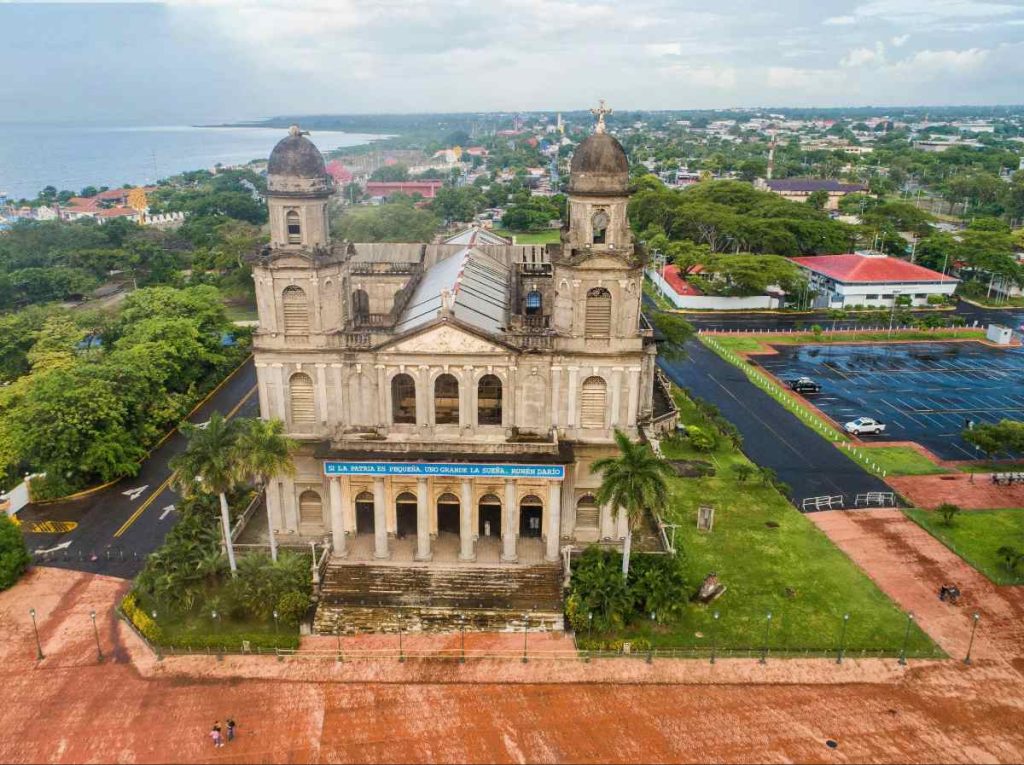
The church plays an important role in Nicaraguan society and culture, with Catholic traditions, Evangelical communities, and the Moravian Church on the Caribbean coast all shaping family life, local identity and the rhythm of the social calendar.
Religion and Language in Nicaragua
Religion and language are central to understanding Nicaragua’s regional diversity and cultural rhythm.
Catholic heritage, Evangelical growth, the Moravian Church, Spanish, Nicañol, English Creole and Indigenous languages all shape identity and everyday interaction.
Religion in Nicaragua
Religion in Nicaragua reflects both national traditions and regional differences.
Roman Catholicism has deep historical influence, Evangelical churches are significant, and the Moravian Church has an important presence on the Caribbean coast.
• Catholic heritage remains important
• Evangelical Protestant churches are influential
• The Moravian Church is important on the Caribbean coast
• La Purísima reflects devotion to the Virgin Mary
• La Gritería brings faith into streets, homes and neighborhoods
• Fiestas patronales connect religion with community life
• Religious events may affect schedules and availability
In practice, religion connects family, community, identity and local calendars, and should be approached respectfully.
Language in Nicaragua
Spanish is the official language and main business language, but Nicaragua is linguistically diverse.
Nicañol gives Nicaraguan Spanish its local flavor, while the Caribbean coast includes English Creole, Miskito, Sumo, Rama and Garifuna language influences.
• Spanish is the main language of business
• Nicañol reflects local speech and identity
• Expressions such as dale pues, tuani and diacachimba can add warmth in the right context
• English Creole is important on the Caribbean coast
• Miskito, Sumo, Rama and Garifuna are part of Nicaragua’s language landscape
• English may be present in tourism areas, but should not be assumed
• Local language awareness helps avoid assumptions
In practice, language sensitivity shows respect for Nicaragua’s diversity and helps avoid treating the whole country as if it were Managua.
Key Facts About Nicaragua
• Location: Central America, bordered by Honduras and Costa Rica, with Pacific and Caribbean coastlines
• Capital: Managua
• Population: Around 6.8 million
• Official language: Spanish
• Currency: Córdoba
• Government: Democratic republic
Cross Cultural Training for Working with Nicaragua
Our Nicaragua cultural awareness training helps professionals understand relationship building, approach to hierarchy, the communication style, regional differences, running meetings, time expectations, business etiquette, red tape and local partner management.
Training can be delivered through eLearning, webinars or tailored workshops. Whether your organization is building partnerships, managing suppliers, supporting relocation or working with teams in Managua and beyond, Commisceo Global can help your people develop the cultural awareness needed for successful business relationships.

You might also like these articles…
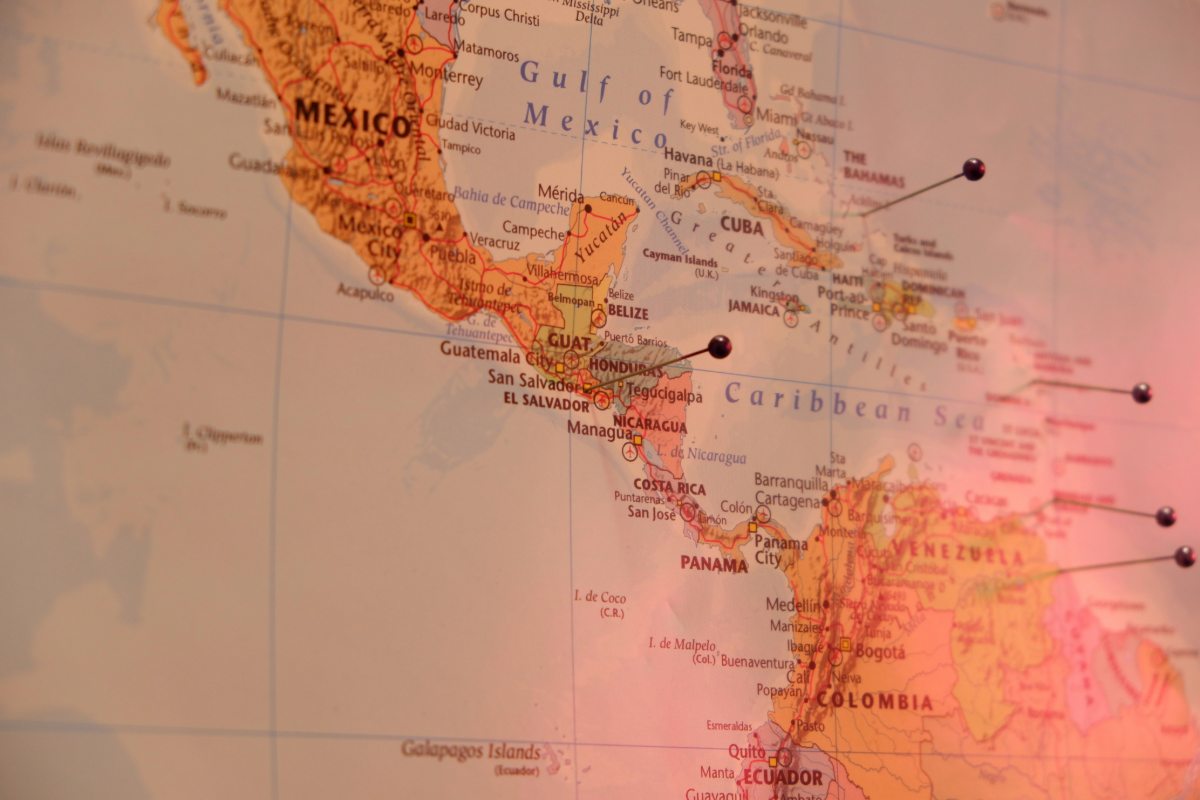
Nearshoring to Latin America and Cross Cultural Training
Cultural Alignment When Working with LATAM Nearshore and Offshore Teams Contents hide Cultural Alignment When Working with LATAM Nearshore and Offshore Teams The Recent Growth…
Honduras Business Culture Guide
Honduran Business Culture: What International Professionals Should Know Contents hide Honduran Business Culture: What International Professionals Should Know Key Insights into Honduran Business Culture Understanding…

Costa Rica Business Culture Guide
Costa Rican Business Culture: What International Professionals Should Know Contents hide Costa Rican Business Culture: What International Professionals Should Know Key Insights into Costa Rican…