
Netherlands Management Culture Guide
Discover how management works in the Netherlands. From flat hierarchies and consensus-driven leadership to direct communication and a focus on balance, this guide explores the key traits of Dutch management culture and offers insights for professionals working with or in the Netherlands.
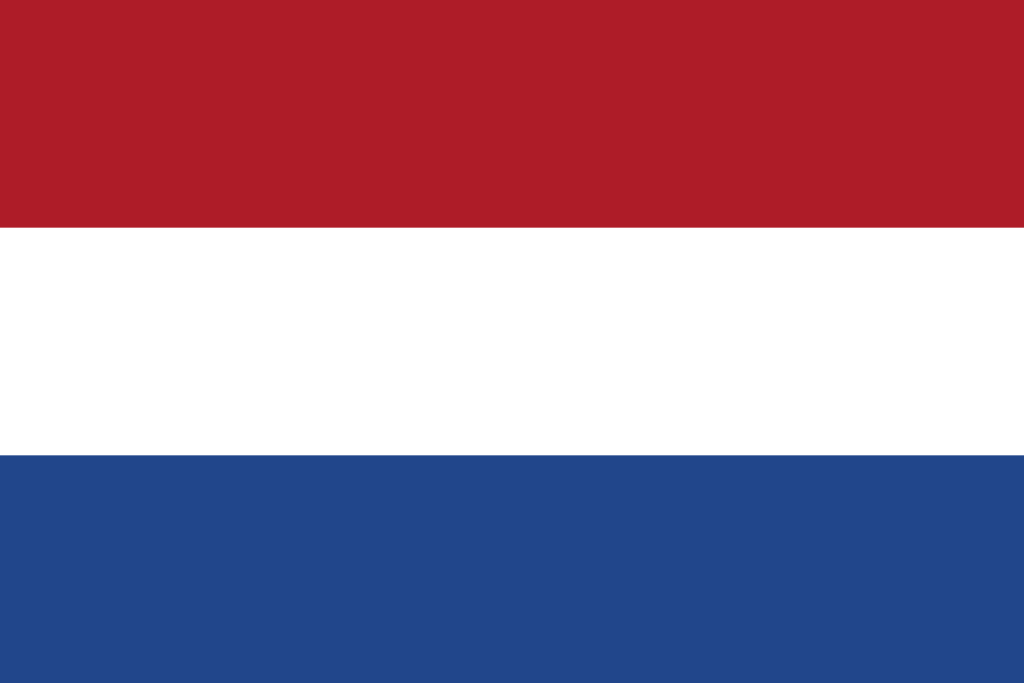
Management Style in the Netherlands: A Guide for International Managers
The management culture in the Netherlands is widely known for its emphasis on openness, equality, and direct communication. Dutch workplaces often operate with relatively flat hierarchies, where managers encourage discussion and employees are expected to contribute ideas and challenge viewpoints constructively.
For international managers, understanding how the Dutch value transparency, consensus building, and clear communication can significantly improve collaboration. With Netherlands cultural awareness training, managers can engage Dutch teams more effectively, encourage open dialogue, and lead in a way that aligns with the Netherlands’ pragmatic and inclusive business culture.
Being a Manager in the Netherlands
The management style in the Netherlands is often characterized by a flat hierarchy and a collaborative approach. Dutch managers tend to emphasize teamwork and consensus-building, and they prioritize open communication and transparency.
- In the Netherlands, there is a sense that all people in the organization have an important role to play and all are valued for their input.
- Therefore, in this culture, managers will lose no respect in consulting employees to gather background information and often to even share in the decision-making process.
- Dutch managers also tend to place a strong emphasis on work-life balance and employee well-being.
- They recognize that a happy and healthy workforce is more productive and effective, and they often offer generous vacation time, flexible work arrangements, and other benefits to support their employees’ well-being.
The Role of a Manager in Dutch Business Culture
Foreign managers working in the Netherlands should understand that the most effective managers recognize and value the specialized knowledge that employees at all levels bring, and the most successful of these managers harnesses that wisdom and empowers those employees to participate and be a part of the achievement of the business mission.
- In the Netherlands, as in most egalitarian cultures, positions of authority are earned largely on the basis of individual achievement and people at all levels of the organization, while respecting authority, are free to aspire to those positions.
- One of the key features of Dutch management style is the concept of “polderen,” which refers to the process of reaching consensus through dialogue and compromise.
- This approach is deeply ingrained in Dutch culture and is often reflected in business practices, where managers work to create a consensus-driven work environment that values the opinions and contributions of all employees.
Approach to Change in Dutch Organizations
The Dutch approach to change at a cultural level is generally characterized by a pragmatic and open-minded attitude towards new ideas and innovations. Dutch business culture values progress and innovation, and the country has a long history of being at the forefront of social and technological change.
- One of the key factors that contributes to the Dutch approach to change is a strong emphasis on consensus-building and collaborationIn many cases, change is driven by a broad-based coalition of stakeholders who work together to identify shared goals and strategies for achieving them.
- This approach helps to ensure that changes are well-considered and have buy-in from a broad range of stakeholders.
- Another important aspect of the Dutch approach to change is a focus on evidence-based decision-making.
- Dutch culture places a high value on education and scientific research, and this emphasis on knowledge and evidence helps to inform decision-making around changes to policy or practice.
- At the same time, the Dutch approach to change is also characterized by a healthy scepticism towards change for its own sake.
- Dutch culture values stability and predictability, and changes that are seen as unnecessary or overly disruptive may face resistance or scepticism.
Approach to Time and Priorities in Dutch Business
The Netherlands is a time-conscious culture.
- The Dutch approach to time is characterized by a strong emphasis on punctuality, efficiency, and productivity.
- Dutch business culture values the efficient use of time, and lateness or tardiness is generally seen as disrespectful and unprofessional.
- In the workplace, Dutch employees are expected to arrive on time and manage their time effectively throughout the day, with a focus on achieving their goals and meeting deadlines.
- At the same time, organizations also place a high value on work-life balance, and employees are encouraged to take breaks and to prioritize their personal lives outside of work hours.
- Overall, the Dutch approach to time reflects a balance between productivity and well-being, with a focus on maximizing the value of every minute.
Decision Making in Dutch Teams
The structure of the company as well as the industry often drives the way managers interact with their subordinates.
- High-tech and entrepreneurial companies tend to be less bureaucratic and involve more levels of employees in the discussion process, although the manager may make the ultimate decision.
- Since this is an egalitarian country, both managers and subordinates are expected to work together harmoniously to achieve business success.
- There is a legal obligation for companies with 50 or more employees to establish a work council.
- Employees are elected to sit on this council, and the company directors are obligated to consult with the council on important matters that could influence the future of the company and its employees.
- Therefore, employees exert considerable influence over managerial decisions.
Boss or Team Player? Which are Dutch Managers?
Cultural adaptability will be easier when bearing in mind that groups collaborate well together as teams.
- Members are generally chosen to participate based on tangible skills or the knowledge base they bring and are equally welcome to contribute to any discussion that may arise.
- The successful manager will harness the talent of the group assembled, and develop any resulting synergies.
Communication and Negotiation Styles in Dutch Work Culture
The Dutch business communication style is generally direct, clear, and to the point. Dutch culture values honesty and transparency, and communication in the workplace is expected to be straightforward and concise. Dutch businesspeople tend to communicate in a matter-of-fact manner, without a lot of small talk or embellishment. They will tell you quite plainly what they think and they will expect the same in return.
- Meetings and negotiations are typically well-organized and structured, with a clear agenda and specific objectives.
- At the same time, Dutch culture also values respectful communication, and it is important to avoid overly aggressive or confrontational language.
- Overall, the Dutch business communication style emphasizes efficiency, clarity, and respect.
- Communication is direct and to the point, and may seem blunt.
- Make sure your arguments are rational as opposed to emotional.
- Avoid confrontational behaviour or high-pressure tactics.
- Once a decision is made, it will not be changed.
- Contracts are enforced strictly.
Develop the Skills to Work Successfully with Dutch Teams
Understanding management in the Netherlands is only part of the picture. Professionals who work regularly with Dutch colleagues benefit from developing deeper cultural awareness of communication, decision making, and workplace expectations.
Our Netherlands Cultural Awareness eLearning Course helps professionals, managers, and international teams build the skills needed to work effectively with Dutch organisations. Learners explore Dutch values, communication styles, business culture, and professional etiquette so they can collaborate with confidence and build stronger professional relationships.

You might also like these articles…
Netherlands Business Culture Guide
Dutch Business Culture: What International Professionals Should Know Contents hide Dutch Business Culture: What International Professionals Should Know Key Insights into Dutch Business Culture Doing…

Cross Cultural Management: 10 Simple Ways to Develop Your Skills
10 simple yet effective tips for developing your cross cultural management skills. Ideal for managers of multicultural and international teams.

Managing Conflict Across Cultures
Learn how to manage conflict across cultures with practical strategies to improve communication, resolve misunderstandings, and build stronger global teams.