
El Salvador Business Culture Guide
Understanding Salvadoran business culture is essential for professionals working with Salvadoran colleagues, clients, or partners. While the country’s business environment may feel familiar at first, differences in communication style, hierarchy, and relationship building can shape outcomes in subtle but important ways. This guide helps you navigate those differences with greater confidence, clarity, and cultural awareness.

Salvadoran Business Culture: What International Professionals Should Know
Doing business in El Salvador, particularly in commercial hubs such as San Salvador, is rarely just about the task at hand. It is about people, relationships, and how trust, or confianza, develops over time through consistent interaction.
As a cross cultural training company, we often see how conversations with Salvadoreños can feel warm, approachable, and informal. However, beneath this sits a strong cultural framework shaped by respeto (respect), hierarchy, and relationship-based working. These factors quietly influence how decisions are made, how communication is interpreted, and how progress unfolds.
For many international professionals, the real challenge is not understanding what is happening on the surface, but interpreting what sits beneath it. A “yes” may signal politeness rather than commitment, and agreement in a meeting may reflect openness rather than a final decision. Success often depends on recognising these nuances, understanding when trust has truly been established, and adapting to a business environment where relationships influence every stage of the process.
Let’s explore more…
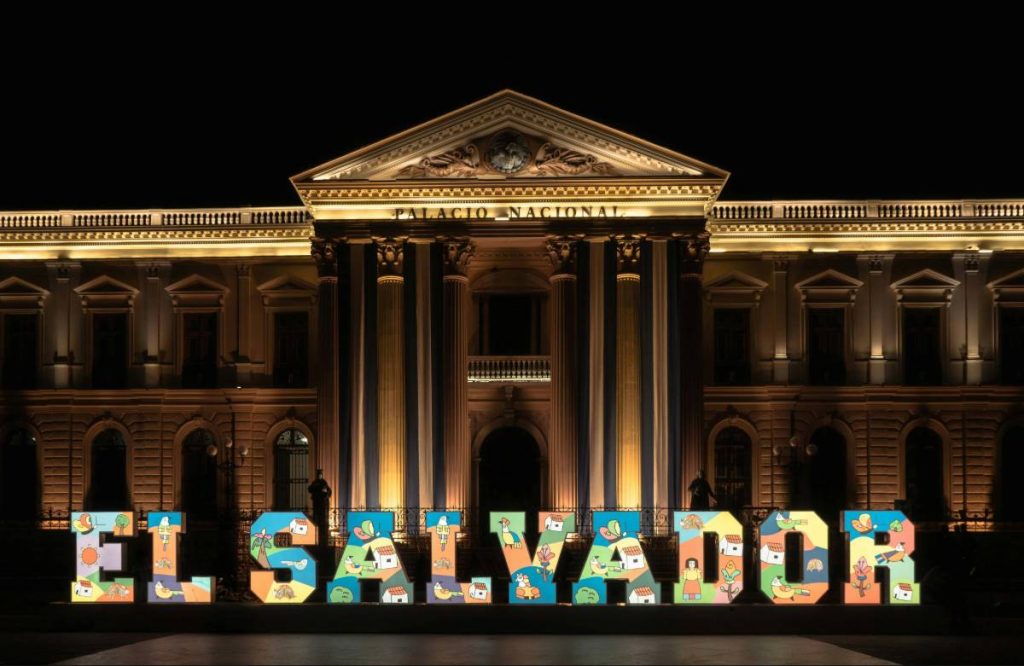
Set against the backdrop of San Salvador’s National Palace, this iconic sign reflects a country where history, identity, and modern business life come together to shape how relationships and trust are built.
Understanding El Salvador: Culture, History and Business Context
To understand the business culture in El Salvador, it is important to consider the country’s history, identity, and social dynamics.
El Salvador is the smallest country in Central America, yet it has a strong and distinct national identity shaped by a complex past. The country experienced a civil war from 1980 to 1992, the effects of which are still felt in aspects of society today, particularly in relation to trust, community, and social awareness.
Earlier events, such as the Football War with neighbouring Honduras, also form part of the country’s historical narrative and contribute to a broader sense of national identity.
Modern El Salvador is increasingly outward looking, with strong economic ties to the United States and a large diaspora community influencing business, communication, and expectations. San Salvador acts as the country’s commercial centre, where much of the corporate and international business activity is concentrated.
Despite these global connections, El Salvador remains a relationship-driven society. Personal networks, trust, and reputation are deeply valued, and these are shaped by a culture that places importance on family, loyalty, and connections.
For international professionals, this context is important. Business is not conducted in isolation from society. Understanding how history, identity, and relationships intersect provides a clearer lens through which to interpret behaviour, build trust, and operate effectively in Salvadoran work environments.
Key Insights into El Salvador Business Culture
These core traits shape how business operates in El Salvador:
• Trust is built through personal relationships, or confianza, rather than relying solely on systems or contracts
• Communication is often indirect, shaped by a desire to maintain harmony and positive relationships, known as simpatía
• Hierarchy and respeto influence decision making, even when authority is not openly displayed
• Agreement in conversation, such as “sí” or “con gusto”, may signal politeness rather than firm commitment
• Business progress is often paced by relationship development rather than strict urgency or deadlines
• Reputation carries significant weight in El Salvador’s close knit business community, where credibility travels quickly
Taken together, these factors mean that understanding behaviour in context is far more valuable than relying on what is said at face value.
Professionals who learn to read between the lines, build confianza, and adapt their communication style are far more likely to achieve consistent, long term success.
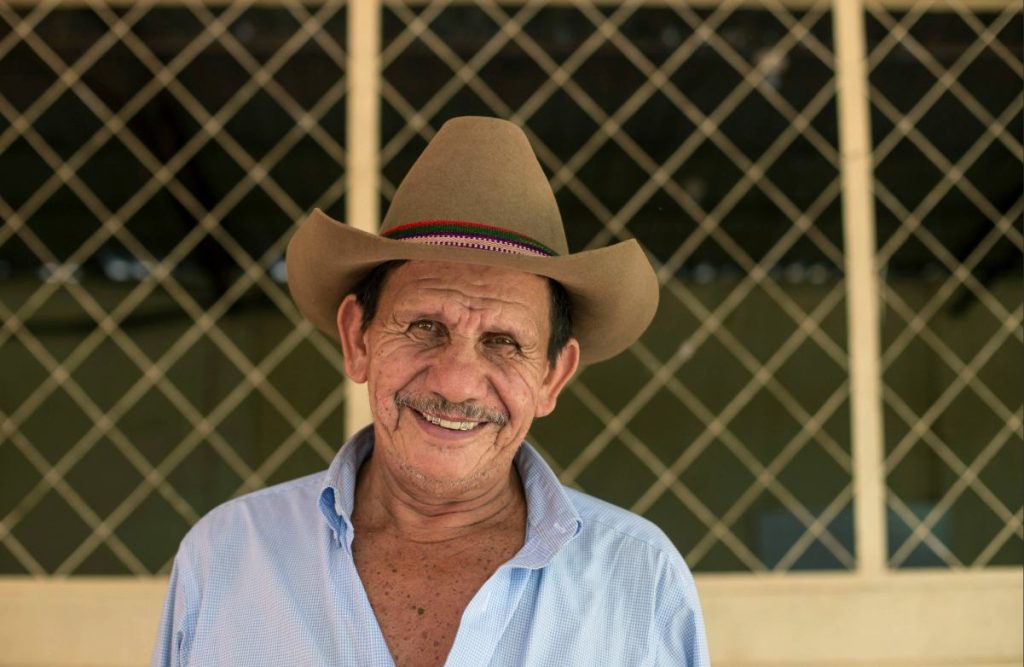
In El Salvador, traditional rural influences continue to shape a culture built on resilience, pride, and personal connection, qualities that carry into business where trust, relationships, and reputation are central to success.
Doing Business in El Salvador: Business Practices and Culture
At first glance, business practices in El Salvador may appear straightforward. Meetings take place, discussions happen, and agreements seem to form. However, beneath this surface is a relationship-driven environment where confianza (trust), familiarity, and personal credibility shape how business really progresses, particularly in tightly connected business circles such as those in San Salvador.
Business Meetings in El Salvador
Meetings often serve two purposes: progressing business and building relationships. The latter is rarely rushed and is an essential part of how trust develops.
• Meetings typically begin with informal conversation, often focused on family, daily life, or shared connections before business is discussed
• Building confianza through familiarity and personal interaction is a key part of the meeting process
• Discussions may continue over coffee or meals, which signal that the relationship is developing
• Professional titles and formal greetings, such as “buenos días”, are expected in early interactions
In practice, a meeting that feels slow or loosely structured is often doing important work. It is creating the personal connection that future decisions and agreements will depend on.
Decision Making in El Salvador
Decision making in business is rarely as visible as it appears. While discussions may seem open, authority tends to sit clearly with senior individuals, shaped by hierarchy and respeto.
• Final decisions are usually made by senior individuals, even if input is gathered from others
• Authority is not always openly asserted, but it is widely understood within the group
• Decisions are not always made in the room and often require follow up after internal consultation
• Personal judgement, trust, and relationships can carry as much weight as data or formal proposals
What may feel like delay is often a process of internal alignment, where decisions are shaped through conversations behind the scenes rather than in the meeting itself.
Time and Scheduling in El Salvador
Timeliness is understood, but not always applied in rigid terms. Flexibility reflects the realities of relationship-based working and shifting priorities.
• Schedules and deadlines are important, but may shift depending on circumstances and relationships
• Expressions such as “ahorita” may suggest immediacy, but in practice can reflect flexibility rather than urgency
• Progress often depends on relationship development rather than strict timelines
• Patience and adaptability are important when managing expectations
In this context, flexibility is less about poor planning and more about responding to people, priorities, and evolving situations.
Building Business Relationships in El Salvador
Relationships are not a side element of business in El Salvador, they are central to it. Strong relationships reduce uncertainty and support smoother collaboration.
• Trust, or confianza, is built through consistent interaction, reliability, and personal engagement
• Face to face communication is highly valued, particularly in the early stages of a relationship
• Informal follow ups, including messaging platforms such as WhatsApp, are commonly used to maintain contact
• Investing time in rapport building leads to stronger long term outcomes
The stronger the relationship, the smoother the business. Without it, even well structured processes can stall.
Negotiation Style in El Salvador
Negotiations tend to be measured, relationship-focused, and shaped by mutual respect and the desire to maintain harmony.
• Maintaining positive relationships, or simpatía, is more important than winning an argument
• Direct confrontation or high pressure tactics can damage trust and slow progress
• Flexibility and compromise are often expected as part of the process
• Agreements may develop gradually across multiple conversations rather than in a single meeting
Success in negotiation often comes not from pushing harder, but from building enough confianza for agreement to emerge naturally.
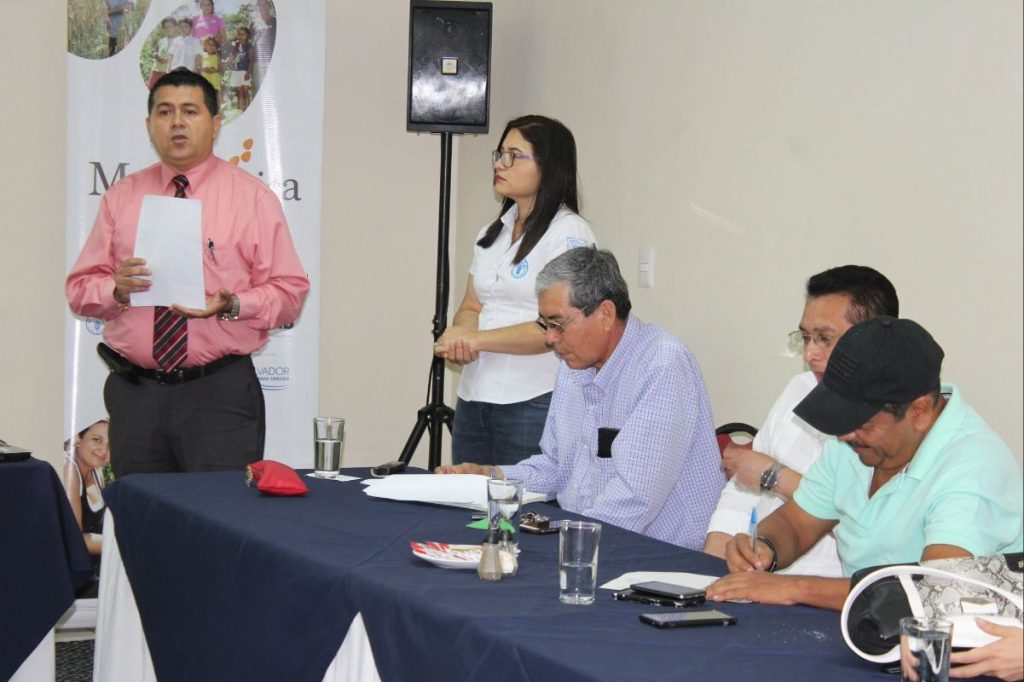
In Salvadoran business settings, communication often blends warmth with subtlety, where tone, context, and delivery can carry as much meaning as the words themselves.
Understanding The Salvadoran Communication Style
Communication in El Salvador is rarely purely literal. Tone, context, and intent all play a role in shaping meaning, and what is said directly may only be part of the message. Among Salvadoreños, communication is shaped by the desire to maintain positive relationships, preserve respeto, and avoid unnecessary tension.
Indirect Communication and Meaning
Messages are often expressed in ways that protect relationships rather than create absolute clarity. As a result, meaning is frequently implied rather than stated directly.
• Phrases such as “sí”, “con gusto”, or “vamos a verlo” may indicate acknowledgement or willingness, rather than firm agreement
• “Tal vez” (maybe) is often used as a soft way of saying no or expressing hesitation
• Expressions like “ahorita” may suggest something will happen soon, but in practice can reflect flexibility rather than urgency
• Messages are often softened to avoid causing offence or putting pressure on others
For international professionals, the real skill lies in interpreting what is meant, not just what is said. Understanding tone, context, and consistency over time is key to accurate interpretation.
Protecting Dignity in Salvadoran Interactions
Communication reflects a strong awareness of personal pride, social standing, and the importance of maintaining harmony, often linked to simpatía.
• Criticism is usually delivered privately and with care to avoid embarrassment
• Public disagreement is often avoided, particularly in front of senior individuals
• Maintaining respeto is essential, especially when addressing hierarchy or authority
• A calm, friendly tone is valued, even when discussing challenges or problems
How something is said can carry more weight than the message itself. Directness without sensitivity can be perceived as disrespectful, even when the intention is constructive.
Clarifying Understanding When Working in El Salvador
Because communication can be indirect, clarity often requires a more thoughtful and layered approach.
• Asking questions in different ways can help confirm intent without creating pressure
• Rephrasing and summarising agreements helps ensure alignment
• Following up after meetings, often informally, can provide additional clarity
• Listening for tone, hesitation, or changes in language is as important as listening to the words themselves
Those who take time to confirm understanding, while maintaining a respectful and relationship-focused approach, are far more likely to avoid misunderstandings and build stronger working relationships.
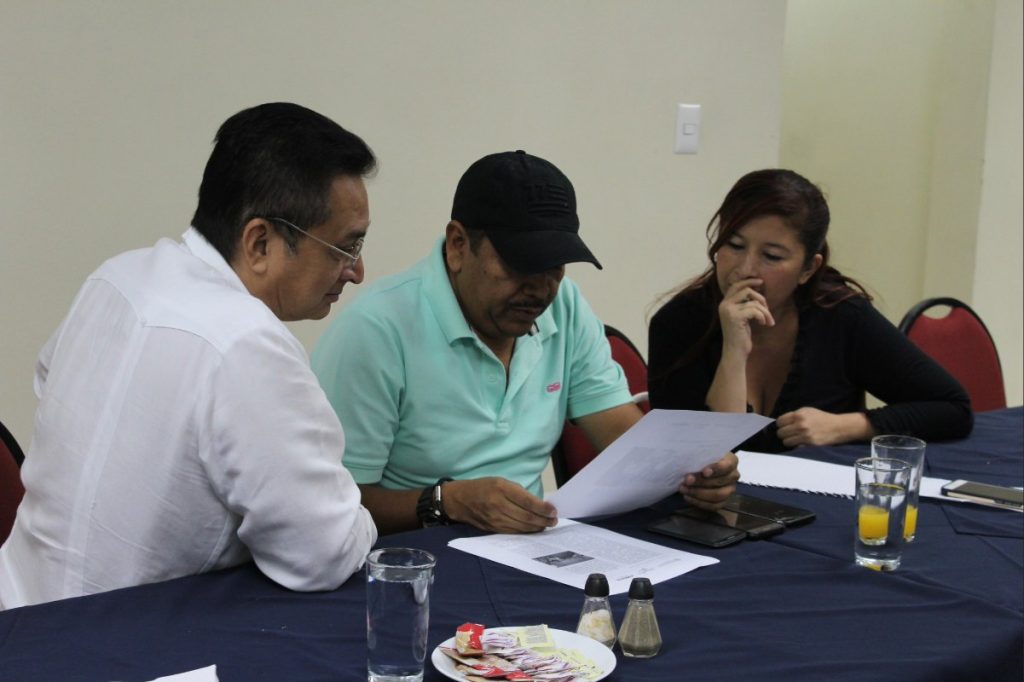
Workplace culture in El Salvador is shaped by collaboration, respect, and strong personal relationships, where trust and open dialogue help teams work effectively together.
Workplace Culture in El Salvador
The workplace culture in El Salvador reflects a balance between professionalism, hierarchy, and strong interpersonal relationships. While environments may feel warm and approachable, expectations around respeto (respect), behaviour, and professionalism remain clearly defined.
Hierarchy and Respect in Salvadoran Workplaces
Hierarchy is present, even when it is not overtly emphasised. Authority tends to be understood rather than openly displayed, and respect for seniority plays an important role in how work progresses.
• Seniority is respected and often influences decision making behind the scenes
• Professional titles are commonly used, particularly in formal settings or early interactions
• Authority is often exercised subtly, through influence and relationships rather than direct instruction
• Challenging senior figures openly is uncommon, especially in group settings
Hierarchy may not always be visible, but it plays a decisive role in shaping outcomes, expectations, and communication.
Professional Behaviour in El Salvador
Relationships strongly influence how people collaborate and how work gets done. Building confianza (trust) is central to effective working relationships.
• Trust and rapport support smoother collaboration and reduce uncertainty
• Personal connections can influence access, responsiveness, and decision making
• Reliability and consistency are key to building a strong professional reputation
• In El Salvador’s close knit business environment, reputation travels quickly
Work flows more easily through trusted relationships than through process alone. Those who invest time in building connections often see more consistent and long term results.
Salvadoran Formality
There is a balance between warmth and professionalism. Friendly interactions are common, but they exist alongside clear expectations around behaviour and respect.
• First names are typically used only after a relationship has been established
• Early interactions often favour more formal language, including the use of usted rather than vos
• Politeness, tone, and courtesy are important in all professional exchanges
• Social warmth does not remove the expectation of professionalism and respeto
Friendly communication should not be mistaken for informality in expectations. Maintaining a respectful tone and professional conduct is essential, even in relaxed or familiar settings.
The Salvadoran Management Style
Management in El Salvador reflects a combination of hierarchy, responsibility, and relationship building.
Salvadoran Leadership Style
Leaders are expected to guide, decide, and maintain trust.
• Authority is respected and rarely challenged openly
• Leaders are responsible for guiding decisions and outcomes
• Building trust with teams supports effective leadership
Leadership is measured not only by authority, but by the strength of relationships it creates.
Decision Making and Authority in El Salvador
Authority is clearly defined, even if not always openly expressed.
• Managers are expected to make key decisions
• Consultation may occur, but final authority is clear
• Understanding who holds influence is essential for progress
Knowing where decisions sit is often more important than the discussion itself.
Managing Salvadoran Teams
Effective management balances structure with interpersonal awareness.
• Clear expectations support performance
• Sensitivity to communication style helps avoid misunderstandings
• Strong relationships improve collaboration and engagement
Managers who invest in relationships often achieve more consistent results than those who rely purely on structure.
Challenges When Doing Business in El Salvador
Even experienced professionals can find certain aspects of Salvadoran business culture difficult to interpret.
• Indirect communication can make intentions unclear
• Agreement may not translate into action or commitment
• Decision making can appear slow or unclear
• Building trust takes time and patience
• Reputation is quickly formed and difficult to repair
Most challenges stem not from what happens, but from how behaviour is interpreted.
Tips for Doing Business in El Salvador
Adapting effectively requires both awareness and flexibility.
• Invest time in building relationships before focusing on outcomes
• Avoid overly direct or confrontational communication styles
• Confirm understanding rather than assuming agreement
• Show respect for hierarchy and seniority
• Be patient with timelines and decision processes
• Build credibility through consistency and reliability
Those who adapt their approach to relationships and communication tend to achieve better long term results.
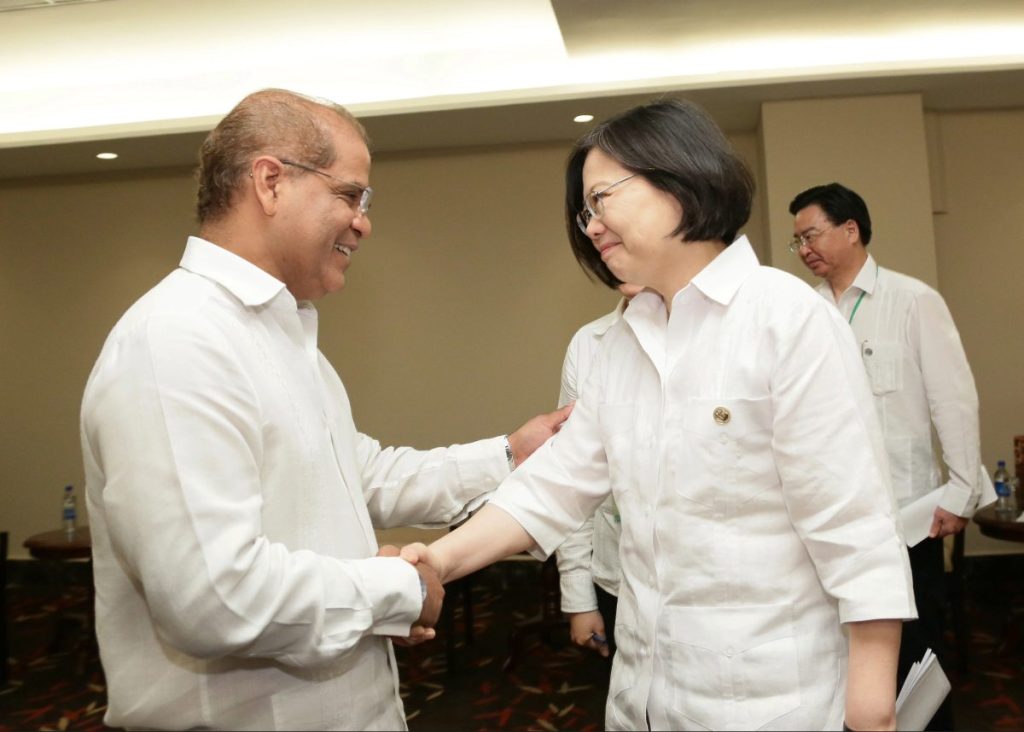
In El Salvador, crisp white shirts are a staple of business dress, reflecting a preference for neat, professional presentation suited to both the climate and workplace expectations.
Business Etiquette in El Salvador
Business etiquette in El Salvador is where relationships, respeto, and first impressions come together. How you greet people, hold a conversation, and carry yourself will shape how seriously you are taken and how quickly confianza begins to develop.
Introductions in El Salvador
First impressions matter, and they are often formed within the first few minutes of interaction.
• Handshakes are the standard greeting, usually accompanied by a warm smile and direct eye contact
• It is common to greet people with “buenos días” or “buenas tardes” before starting any conversation
• Use professional titles such as Señor, Señora, or a job title, followed by the surname, until invited to be more informal
• Greetings are rarely rushed. Taking a moment to acknowledge the person properly is seen as respectful
In practice, it is not just the greeting itself, but the tone. A calm, friendly, and attentive approach helps set the foundation for a positive working relationship.
Salvadoran Greeting Etiquette
Introductions are not purely transactional. They are the starting point of a relationship.
• Professional titles are widely used and signal respect for status and experience
• Business cards are typically exchanged early in the interaction and should be treated with attention rather than put away quickly
• Having one side of your business card in Spanish shows cultural awareness and effort
• Initial conversations often include light personal topics before moving into business
A greeting that feels too direct or rushed can come across as cold. Taking time to connect, even briefly, helps establish credibility and openness.
Dress Code in Salvadoran Business Culture
Appearance plays an important role in how professionalism and respeto are perceived.
• Business dress is generally formal and conservative, particularly in sectors such as finance, government, and corporate environments
• Men typically wear suits or formal shirts, while women dress in polished and professional attire
• Attention to detail, such as neatness and presentation, is closely linked to credibility
• It is better to be slightly overdressed than too casual, especially in early meetings
How you present yourself signals how seriously you take the interaction and the people you are working with.
Social Norms and Behaviour in El Salvador
Social interaction is warm, personal, and an essential part of building business relationships. Professional and social boundaries often overlap, particularly as trust develops.
Hospitality in Salvadoran Culture
Salvadorans are known for their warmth and openness, and this extends into professional life.
• It is common to spend time in conversation before discussing business, often asking about family or daily life
• Invitations to coffee, lunch, or informal gatherings are a sign that the relationship is developing
• Showing genuine interest in people, rather than focusing only on tasks, is highly valued
• Relationships are often maintained through regular, informal contact
In practice, investing time in people is not separate from business, it is how business moves forward.
Salvadoran Dining Etiquette
Meals are an important setting for relationship building and often play a role in business discussions.
• Meetings may continue over coffee or lunch, particularly in cities like San Salvador
• Meals are social occasions, where conversation flows before, during, and after eating
• It is considered polite to stay and talk after the meal rather than leaving immediately
• Business topics may be introduced gradually rather than discussed immediately
The time spent around the table is often where trust is strengthened and relationships move forward.
Salvadoran Gift Giving Etiquette
Gift giving is not a formal requirement in business, but it can support relationship building in the right context.
• Small, thoughtful gifts may be appropriate once a relationship has been established
• Gifts are typically opened when received and acknowledged with appreciation
• Items that reflect your home country or company are often well received
• The gesture itself carries more meaning than the value of the gift
In El Salvador, gifts are less about obligation and more about reinforcing connection and goodwill.

Religion remains an important part of daily life in El Salvador, shaping values such as respect, community, and consideration for others, which often carry into workplace interactions.
Religion and Language in El Salvador
Religion and language in El Salvador are not just background factors. They shape how people communicate, build relationships, and approach professional interactions.
Religion in El Salvador
Christianity, particularly Roman Catholicism and Evangelical Protestantism, plays an important role in Salvadoran society. Its influence is often subtle, but it helps shape values, behaviour, and expectations in the workplace.
• Values such as humility, respect, and consideration for others are widely reflected in professional interactions
• Maintaining harmony and avoiding open conflict is often preferred, particularly in group settings
• Communication may be softened to preserve relationships and avoid causing discomfort
• Religious holidays and observances can influence schedules and availability throughout the year
In most business environments, religion is not discussed openly or formally. However, its influence is visible in how people interact, resolve issues, and prioritise relationships. A respectful, considerate approach aligns well with these underlying values.
Language in El Salvador
Spanish is the language of business in El Salvador, but it is not just what is said that matters. How language is used reflects relationships, tone, and intent.
• Salvadorans commonly use vos instead of tú, with usted reserved for more formal or respectful interactions
• The shift from usted to vos often signals that a relationship is becoming more familiar and relaxed
• Communication tends to be polite and indirect, with phrasing used to soften messages and maintain positive relationships
• English is more widely spoken in multinational companies and among younger professionals, but less common in local or traditional business environments
Language in El Salvador is closely tied to confianza. Even a basic effort to use Spanish, such as greeting someone with “buenos días” or “mucho gusto”, can positively influence how you are perceived.
For international professionals, the key is not fluency, but awareness. Paying attention to tone, formality, and shifts in language can provide valuable insight into how relationships are developing and how messages are intended.
Key Facts About El Salvador
• Location: Central America, between Guatemala and Honduras
• Capital: San Salvador
• Population: Approximately 6.3 million
• Official language: Spanish
• Currency: US Dollar (USD)
• Government: Republic
Learn More About Cross Cultural Training
Cross cultural training is no longer just about etiquette. It is a practical business skill that helps professionals communicate more effectively, build stronger relationships, and navigate cultural differences with confidence.
If you want to develop these capabilities and apply them in real workplace situations, whether in El Salvador or not, explore how cross cultural training can support your success in international environments.

You might also like these articles…
Nearshoring to Latin America and Cross Cultural Training
Cultural Alignment When Working with LATAM Nearshore and Offshore Teams Contents hide Cultural Alignment When Working with LATAM Nearshore and Offshore Teams The Recent Growth…
Guatemala Business Culture Guide
Guatemalan Business Culture: What International Professionals Should Know Contents hide Guatemalan Business Culture: What International Professionals Should Know Key Insights into Guatemala Business Culture Understanding…
Honduras Business Culture Guide
Honduran Business Culture: What International Professionals Should Know Contents hide Honduran Business Culture: What International Professionals Should Know Key Insights into Honduran Business Culture Understanding…