
UAE Management Culture Guide
The UAE’s fast-paced business culture demands more than just authority from managers – it requires mastering hierarchy, building strong personal relationships, and navigating cultural nuances with care. Discover the management and leadership secrets that can make or break your success in this dynamic and diverse environment.
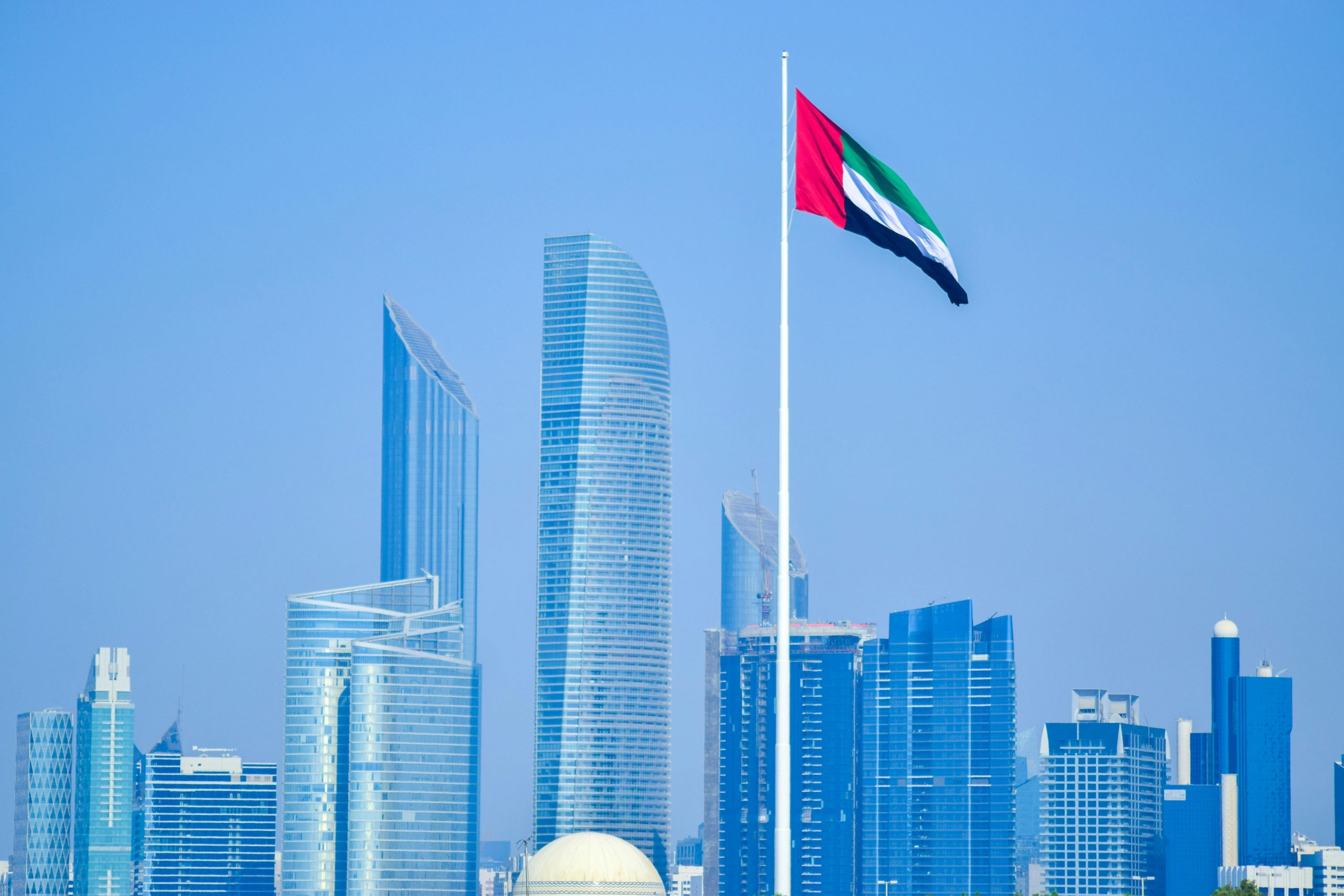
Management Style in the UAE: A Guide for International Managers
Management culture in the United Arab Emirates reflects a blend of traditional values and modern international business practices. Respect for hierarchy, personal relationships, and trust often play an important role in how work is organized and how professional interactions unfold.
For international managers, understanding how authority, communication, and decision making typically function in the UAE can help build stronger working relationships and support effective leadership.
With UAE cultural awareness training, managers can navigate expectations more confidently, develop trust with Emirati colleagues and partners, and work successfully in the UAE’s diverse business environment.
Being a Manager in the United Arab Emirates
Over the past few decades, the UAE has emerged as a global hub of innovation and development. This forward-thinking nation has not only made remarkable strides in economic growth but has also adopted a modern approach to management.
- Emiratis prefer to deal with people they know.
- They spend a great deal of time in relationship building.
- This is a crucial process, and you would be wise not to rush it.
- Expect things to take longer than they would in N. American or European cultures.
- It may take several meetings to accomplish what could be handled by a telephone call at home, and patience may be a necessary personal attribute.
The Role of a Manager in Emirati Business Culture
Foreign managers will be more effective when working in the UAE if they keep in mind that each person has a very distinct role within the organization, and maintaining that role helps to keep order.
- In UAE business culture, as in other hierarchical cultures, managers may take a somewhat paternalistic attitude toward their employees.
- The UAE is home to a diverse workforce, comprising individuals from different nationalities, backgrounds, and cultures.
- The management style in the UAE recognizes the strength of this diversity and encourages an inclusive and multicultural environment.
- Leaders value the contributions of each team member, promoting collaboration and respect for different perspectives.
- This approach fosters creativity, innovation, and a dynamic work culture.
Approach to Change in UAE Organizations
UAE’s cultural appetite for change is high. This means change is often, but not always, met with enthusiasm.
- Projects will need to be carefully analyzed every step of the way to assure that all the risks have been assessed and understood.
- The management style in the UAE emphasizes visionary leadership.
- Executives and managers inspire their teams by setting ambitious goals, articulating a clear vision, and outlining a path to success.
- They lead by example and encourage employees to think big, take risks, and pursue innovative solutions.
- This visionary leadership approach empowers individuals to strive for excellence and fuels the UAE’s rapid progress.
Approach to Time and Priorities in Emirati Work Culture
The UAE is a fluid time culture, and, as is the case with many fluid time cultures, it is also very relationship-oriented.
- People in the UAE will not want to upset others in order to push through a deadline.
- While timescales and deadlines need to be set well in advance and reiterated carefully, it should be understood that these will be viewed as flexible.
- Recognizing the importance of employee well-being, the management approach in the UAE emphasizes work-life balance.
- Organizations prioritize the physical and mental well-being of their workforce by providing flexible working hours, wellness programs, and initiatives to promote a healthy lifestyle.
- This approach not only enhances employee satisfaction and loyalty but also leads to increased productivity and creativity.
Decision Making in Emirati Teams
Managers reach decisions only after discussing the matter with the major stakeholders. Employees do not publicly question the decisions that managers have made. They wait to be told what to do. Risk-taking is limited to those in decision-making positions.
- The UAE has positioned itself as a global technology and innovation hub, and management practices reflect this focus.
- Organizations in the UAE actively leverage cutting-edge technologies and digital solutions to optimize operations, streamline processes, and drive efficiency.
- Moreover, they encourage a culture of innovation, where employees are empowered to experiment, think outside the box, and propose novel ideas that can transform industries.
Boss or Team Player? Which are Emirati Managers?
If you are working in the United Arab Emirates, it is important to remember that honour and reputation play an important role and so some cultural sensitivity will be required.
- The risk becomes amplified in a team or collaborative setting.
- If you would like to encourage participation it is important first to clearly establish a non-threatening work environment and communicate fully that team-member participation is desired.
- In the UAE, continuous learning is highly valued and actively promoted within organizations.
- Companies invest in professional development programs, training workshops, and educational initiatives to enhance employees’ skills and knowledge.
- This commitment to lifelong learning enables individuals to stay abreast of industry advancements, adapt to changing business landscapes, and contribute effectively to their organizations’ growth.
Communication and Negotiation Styles in UAE Business Culture
The Emirati communication style is characterized by a balance between formality and warmth. Emiratis value respectful and polite interactions, often using formal titles and greetings. Nonverbal cues, such as body language and facial expressions, play an important role in communication.
- Emiratis tend to express themselves in a measured and indirect manner, emphasizing harmony and avoiding confrontation.
- Active listening is highly valued, and patience is demonstrated during conversations.
- Overall, the Emirati communication style reflects a blend of cultural traditions, respect for hierarchy, and a desire for positive and harmonious exchanges.
- Emiratis are event rather than time-driven.
- If you try to rush things, you risk your business relationship so patience is necessary.
- Emiratis are tough negotiators.
- Do not use high-pressure sales tactics.
- Repeating your main points indicates you are telling the truth.
- Emiratis may repeatedly ask the same question to see if your response is consistent.
- There is a tendency to avoid giving bad news and to give flowery acceptances, which may only mean “perhaps”
UAE Cultural Awareness Training for International Professionals
Working successfully in the United Arab Emirates requires an understanding of the cultural values that influence communication, leadership, and professional relationships. Cultural awareness helps professionals build trust, navigate business etiquette, and collaborate more effectively with Emirati colleagues and partners.
Our UAE Cultural Awareness training course provides practical insights into business culture in the United Arab Emirates, helping professionals communicate respectfully, strengthen relationships, and work confidently in the UAE’s international business environment.

You might also like these articles…
UAE Business Culture Guide
Emirati Business Culture: What International Professionals Should Know Contents hide Emirati Business Culture: What International Professionals Should Know Key Insights into UAE Business Culture Doing…

What Foreigners Should Know About Working in the UAE
New to working in the UAE? This guide offers essential insights for foreigners on what to expect from the business cultures in Abu Dhabi and…

Cross Cultural Management: 10 Simple Ways to Develop Your Skills
10 simple yet effective tips for developing your cross cultural management skills. Ideal for managers of multicultural and international teams.