
Honduras Business Culture Guide
Learning about Honduran business culture is essential for professionals doing business in Honduras or working with Honduran partners. This guide explores Honduras’ workplace culture, business etiquette, communication style, family business dynamics, regional differences, management practices and everyday business expectations.
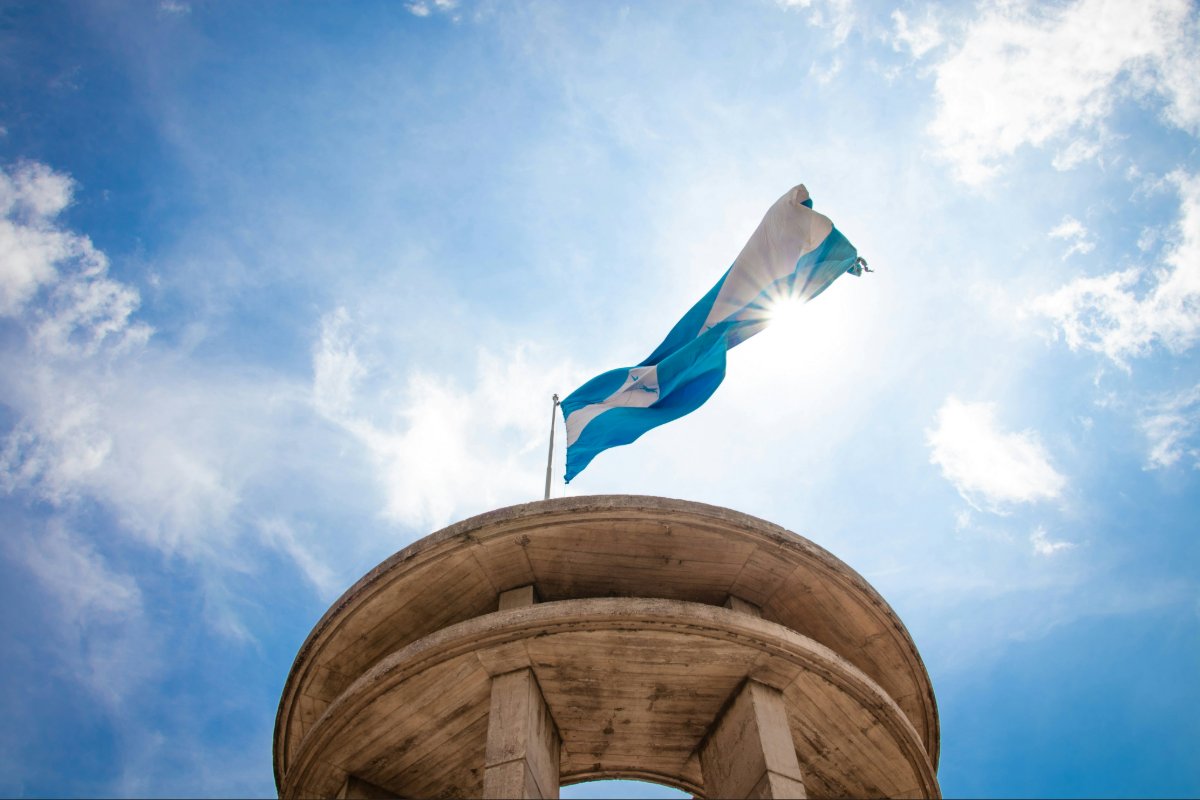
Honduran Business Culture: What International Professionals Should Know
Doing business in Honduras means understanding how family enterprise, personal trust, hierarchy and regional identity shape commercial life.
As a cross cultural training company, we often see how Honduras can be misunderstood when it is treated as one simple business culture. In reality, Honduras is regionally diverse, socially close, family anchored and shaped by very different business environments, from government and institutions in Tegucigalpa to commerce, industry and maquiladoras in San Pedro Sula and the North Coast.
Honduran business culture is often relationship based. Trust, introductions, family reputation, seniority and personal credibility can all shape how business moves forward. In many organizations, especially family businesses and owner led companies, decisions may sit with founders, senior relatives or trusted leaders whose authority is both commercial and personal.
At the same time, Honduras is not only a traditional or rural business environment. Agriculture, textiles, apparel, logistics, tourism, coffee, bananas, shrimp, forestry, construction, services and US linked trade all shape modern business life. Migration, remittances, bilingual education and international investment also influence expectations, especially in urban and export oriented sectors.
A useful phrase for framing Honduran business culture is: family enterprise, regional identity and resilient business culture. For international professionals, success depends on cultural awareness, building trusted relationships, understanding who holds authority, adapting to regional differences, communicating with respect and carrying out careful due diligence.
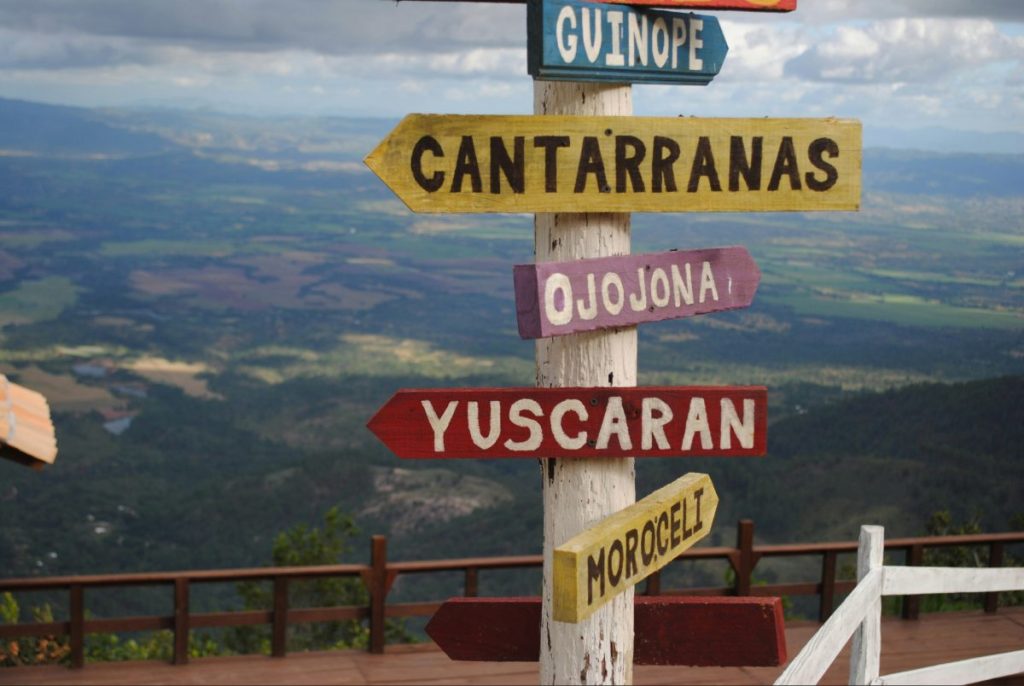
Doing business in Honduras means knowing not just the market, but where and who you are working with, as expectations can shift between Tegucigalpa, San Pedro Sula, rural towns and regional communities where local identity, family networks and trust shape how business gets done.
Key Insights into Honduran Business Culture
Honduran business culture is relationship based, family influenced, regionally varied and often shaped by hierarchy and personal trust. These are some of the main themes international professionals should keep in mind.
- Honduras is regionally diverse and should not be treated as one uniform culture
- Family businesses and family networks are central to entrepreneurship
- Business relationships depend heavily on trust, reputation and personal credibility
- Hierarchy, seniority and paternalistic leadership can shape decisions
- Communication may be cautious where status, gender or hierarchy matter
- US business ties, migration and bilingual education influence some sectors
- Agriculture, maquiladoras, textiles, tourism and logistics shape modern business
These qualities make Honduras a business environment where personal relationships and practical checks need to work together. A warm introduction can help open a door, but international professionals should still confirm authority, ownership, compliance, documentation and delivery capacity.
The most effective approach is respectful, patient and locally informed. Build trust, understand the family and regional context, identify the real decision maker and avoid assuming silence means agreement.
Understanding Honduras: Culture, History and Business Context
To understand Honduras business culture, it is important to understand the country’s geography, regional differences, family structures and economic history.
Honduras sits in the center of Central America, bordering Guatemala, El Salvador and Nicaragua, with a long Caribbean coast and a smaller Pacific coastline on the Gulf of Fonseca. Its interior is mountainous, while coastal plains, ports, agricultural land, forests and islands all shape different ways of living and working.
Tegucigalpa, the capital, is the center of government, politics, administration and national institutions. Its business culture can feel formal, status aware and connected to public sector relationships, legal processes and national decision making. San Pedro Sula, by contrast, is widely associated with commerce, industry, trade, agriculture, maquiladoras and a more commercially energetic business environment. Puerto Cortés, La Ceiba and the North Coast connect Honduras to ports, export industries and Caribbean influences.
The Bay Islands, including Roatán, Utila and Guanaja, have a distinct history shaped by the Caribbean, English language, tourism, Protestant influence and island identity. The Garifuna communities of the North Coast add another important layer of Afro Caribbean culture, language, food, music and coastal identity. La Mosquitia and parts of eastern Honduras have very different realities again, with limited infrastructure, Indigenous communities and stronger links between daily life, land, rivers and environment.
Honduras’ economy has long been shaped by agriculture, natural resources and foreign commercial influence. Coffee, bananas, shrimp, textiles, clothing, timber, beef, sugar, tourism, construction and logistics all matter. The history of banana companies, mining, US investment, migration and natural disasters has also affected how Hondurans think about opportunity, vulnerability, resilience and outside involvement.
For international professionals, the key point is that Honduras is not culturally uniform. Doing business in Tegucigalpa with a government agency, in San Pedro Sula with a family business, on the North Coast with an exporter, in the Bay Islands with a tourism operator or in a rural area with a community project may require very different assumptions.
Doing Business in Honduras: Business Practices and Culture
Doing business in Honduras requires attention to personal relationships, family influence, regional context, hierarchy and formal business checks.
Business Relationships in Honduras
Business relationships in Honduras often depend on trust, reputation and personal credibility. People may prefer to work with contacts they know, have been introduced to or can assess through shared networks.
- Personal introductions can help establish credibility
- Repeated contact may be needed before trust develops
- Family reputation can influence business confidence
- Owner led and family run companies may rely heavily on personal judgement
- Social warmth can help business relationships develop
- Reliability and follow through are important to long term trust
In Honduras, relationships should not be treated as decorative. They often help people decide whether a business contact is serious, trustworthy and respectful. The way you behave before and after the meeting may matter as much as the proposal itself.
This does not mean that process is unimportant. It means that formal agreements, commercial terms and documentation often sit within a wider network of personal confidence.
Family Businesses and Entrepreneurial Culture in Honduras
Family businesses are a major feature of the Honduran business landscape. In many sectors, entrepreneurship is not only an individual activity but a family activity, shaped by ownership, succession, reputation and intergenerational learning.
- Family members may be involved across several businesses
- Senior relatives may remain influential even when younger people manage daily operations
- Business opportunities may be identified and pursued collectively
- Younger generations may learn business values through long term family involvement
- Trust can be closely tied to family reputation
- Formal roles may overlap with family status and ownership
This makes Honduras a strong example of family enterprise. In family business groups, entrepreneurial culture can be passed from one generation to the next through daily exposure, mentoring, shared decision making and involvement in new ventures.
For international professionals, this means it is important to understand not only the organization chart but also the family system behind the business. Who owns the company? Who founded it? Which relatives are involved? Who influences decisions behind the scenes? These questions can be essential to understanding how business really moves.
Business Meetings in Honduras
Business meetings in Honduras should begin formally, respectfully and with time for personal connection.
- Begin with polite greetings and a respectful tone
- Allow time for small talk before moving into business
- Use titles and surnames until invited to become more informal
- Show respect to senior people in the room
- Clarify roles and authority carefully
- Follow up in writing after important discussions
Meetings may vary depending on the setting. A meeting in a Tegucigalpa institution may feel more formal and protocol driven. A meeting with a San Pedro Sula business owner may feel more commercially direct. A conversation in a regional or family business may require more time to understand relationships and local context.
The safest approach is to start formally, read the room and allow warmth to develop naturally.
Decision Making in Honduras
Decision making in Honduras may be centralized around senior leaders, owners, founders or family decision makers.
- Identify who has authority to approve decisions
- Respect seniority and ownership structures
- Do not assume the person speaking most is the final decision maker
- Allow time for internal consultation
- Recognize the influence of family relationships in owner led companies
- Confirm next steps privately and in writing
In some organizations, the formal manager may not be the only person influencing the outcome. A founder, parent, sibling, senior relative or trusted adviser may shape the decision behind the scenes.
International professionals should avoid pressuring junior staff to commit beyond their authority. It is better to ask respectfully who else needs to be involved and what the decision process looks like.
Negotiation Style in Honduras
Negotiation in Honduras often depends on trust, reputation, hierarchy and clarity about who can commit.
- Build confidence before pushing hard on terms
- Use respectful language and avoid public pressure
- Be clear about expectations, but allow space for discussion
- Check whether senior approval is needed
- Do not interpret politeness or silence as full agreement
- Maintain the relationship even when discussing difficult issues
A negotiation may appear positive because the relationship is warm, but that does not always mean agreement is final. Commitments should be confirmed carefully, especially when pricing, timelines, delivery, permits, land, family ownership or public sector involvement are part of the discussion.
Due Diligence, Legal Context and Partner Checks
Relationships are important in Honduras, but they should be supported by careful due diligence.
- Check company registration and ownership
- Review contracts, permits and licenses carefully
- Verify land titles and property claims
- Understand local authority and municipal requirements
- Check the reliability of agents, distributors and suppliers
- Use qualified legal and professional advisers
- Keep clear records of agreements and decisions
This is especially important in real estate, tourism, land based projects, agriculture, infrastructure, forestry, mining, construction and regional partnerships. Personal trust can support business, but it should not replace formal checks.
International professionals should combine relationship building with clear documentation and professional advice.
Business Sectors and Market Context
Honduras’ business culture is shaped by agriculture, export industries, maquiladoras, logistics, tourism and US linked trade.
Key sectors include coffee, bananas, shrimp, lobster, citrus, beef, sugar, textiles, apparel, forestry, construction, food products, tourism and services. San Pedro Sula and the North Coast are especially important for industrial and export oriented business, while Puerto Cortés is a major logistics hub.
The maquiladora sector has also influenced modern work culture, particularly around export assembly, factory employment, young workers, global supply chains and links with the US market. Agriculture remains central in many areas, while tourism shapes parts of the Bay Islands and Caribbean coast.
For international professionals, sector matters. Business expectations in a family owned agricultural exporter may differ from those in a maquiladora, port logistics company, tourism business, NGO, public agency or urban professional services firm.
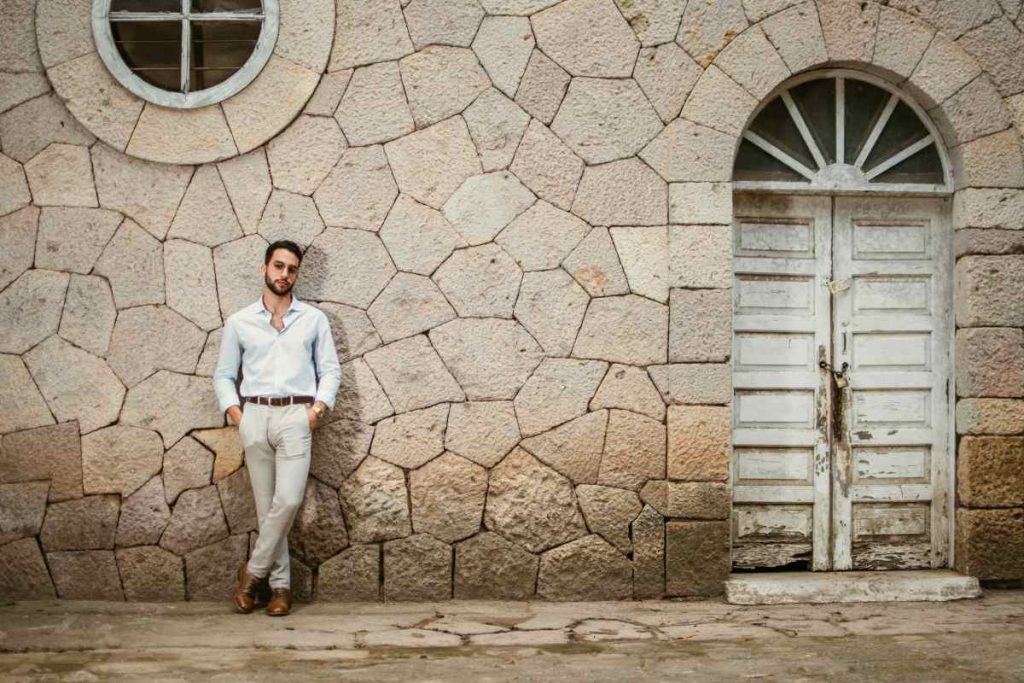
Among younger Hondurans, especially those shaped by bilingual education, migration, social media and US linked workplaces, communication can be more informal, digital and direct than in older or more traditional business settings.
Honduran Communication Style
The Honduran communication style is often shaped by respect, hierarchy, group harmony and the need to protect personal dignity.
Hierarchy and Speaking Up
In Honduras, people may be cautious about challenging senior figures openly, especially in public or group settings.
- Silence should not automatically be interpreted as agreement
- Junior employees may avoid contradicting senior people in meetings
- Concerns may be raised privately rather than publicly
- People may wait for clear permission before offering opinions
- Role clarity can help people contribute more confidently
- Public criticism can reduce trust and participation
The key communication point for international managers is that people may have something useful to say but may not feel the setting is appropriate for saying it. This is especially true where status, age, professional rank or gender dynamics are involved.
Indirectness, Respect and Face
Concerns in Honduras may be softened to preserve dignity, group harmony and respect. Direct confrontation can feel uncomfortable or disrespectful, particularly in formal settings.
A person may avoid saying “no” bluntly, may delay a difficult response or may express concern through hesitation, silence or indirect wording. This does not mean they are being evasive. It may be a way of protecting the relationship while signaling that there is a problem.
International professionals should listen carefully for what is not being said. Gentle clarification, private follow up and written summaries can help create clarity without causing embarrassment.
Communication in Honduran Teams
In Honduran teams, managers may need to create structured and safe ways for people to speak up.
- Assign roles clearly during meetings or projects
- Invite input from quieter team members directly but respectfully
- Use private check ins for sensitive concerns
- Avoid asking people to challenge a senior person in public
- Summarize decisions and responsibilities clearly
- Encourage questions without making people feel exposed
This matters in business, healthcare, manufacturing, NGOs, training, project work and cross border teams. Clear structure can help people contribute without feeling they are disrespecting authority.
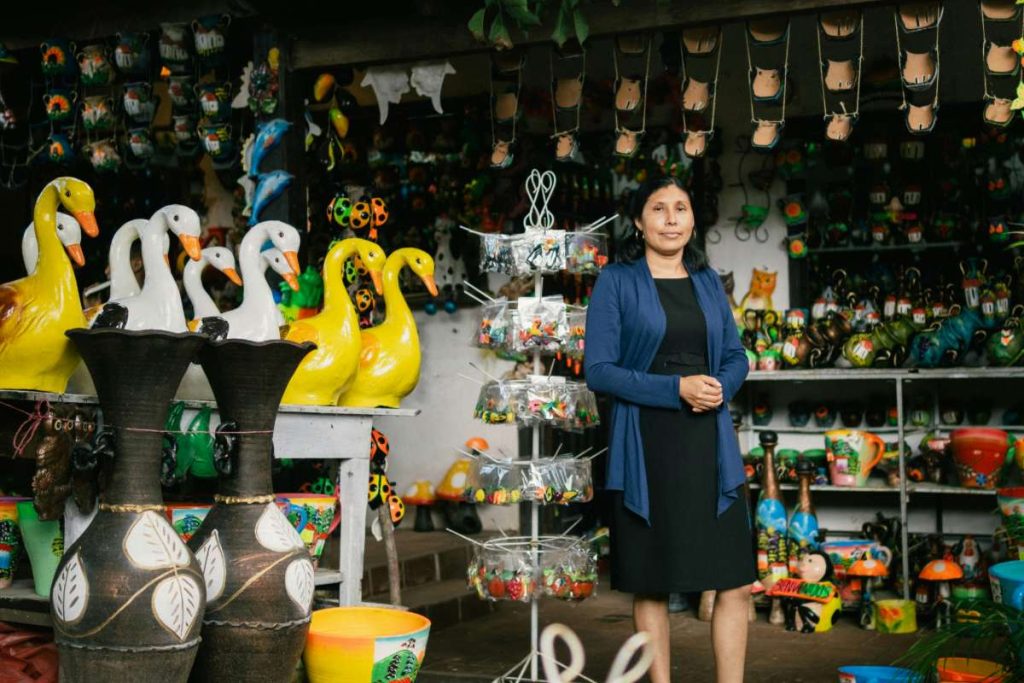
Honduran work values are often closely tied to family business structures, where loyalty, trust, respect for senior figures and long term commitment are learned through family relationships as much as through formal workplace rules.
Workplace Culture and Values in Honduras
Workplace culture in Honduras is often shaped by family, closeness, hierarchy, loyalty, group identity, regional difference and resilience.
Family, Closeness and Loyalty
Family is central to Honduran social and business life. Trust, loyalty and responsibility are often understood through family relationships and close personal ties.
The Honduran idea of cercanza, or closeness, is useful for understanding this. It suggests more than friendliness. It points to a deeper sense of social connection, attachment, shared history and belonging.
In workplace terms, closeness can support loyalty, cooperation and commitment. People may value managers who take a personal interest in them and colleagues who behave with warmth, respect and reliability.
Hierarchy and Paternalistic Leadership
Leadership in Honduras may be authority aware and paternalistic, especially in family run or traditional organizations.
- Leaders may be expected to provide direction and protection
- Seniority and ownership carry weight
- Employees may look to leaders for decisions
- Founder values may remain influential over time
- Personal loyalty can be important to workplace relationships
- Respectful behavior reinforces authority
Paternalistic leadership is not only about control. In many contexts, it also involves care, obligation and responsibility. Employees may expect leaders to be decisive but also personally invested in the wellbeing of the team.
Honduran Collectivism and Teamwork
Honduran workplace culture often values group loyalty, cooperation and harmony. This can help teams work together, support one another and remain committed to shared goals.
However, collectivism can also make open disagreement more difficult. Employees may avoid calling attention to problems if doing so risks embarrassing the group or challenging a senior person.
Managers should therefore make feedback safe and structured. Asking “Does anyone disagree?” may not be enough. A better approach is to ask for risks, options or practical concerns in a way that makes contribution feel helpful rather than confrontational.
Entrepreneurship and Family Learning
Business skills and opportunity seeking in Honduras may be transmitted through family involvement over time.
Younger family members may learn by observing parents, grandparents, aunts, uncles or older siblings in business. They may join meetings, help with operations, manage smaller ventures or become involved in new opportunities as part of a wider family enterprise.
This can create strong entrepreneurial cultures across generations. It can also mean that family loyalty, reputation and continuity influence business decisions alongside profit and growth.
Gender and Workplace Voice
Gender and hierarchy can affect who speaks up in some Honduran professional environments.
In more traditional settings, men may be more likely to occupy senior roles, while women may be expected to show greater deference. This can affect meetings, feedback, decision making and teamwork, especially where women occupy subordinate roles.
International managers should not assume quietness means lack of knowledge or confidence. Clear role assignment, private follow up and inclusive meeting practices can help create space for all team members to contribute.
Regional Honduran Workplace Cultures
Workplace culture in Honduras can vary significantly by region and sector.
Tegucigalpa may feel more institutional, formal and connected to government or professional networks. San Pedro Sula is often associated with commerce, industry, trade and entrepreneurial energy. The North Coast may reflect export industries, Caribbean influence and migration. The Bay Islands may be shaped by tourism, English language and island identity. Rural areas may operate through local community expectations, land relationships and family ties.
International professionals should avoid assuming one Honduran workplace culture applies everywhere.
Management Style in Honduras
The management style in Honduras is often authority aware, personal and relationship based, with paternalistic expectations in some family run or traditional organizations.
Leadership Style in Honduras
Leaders in Honduras are often expected to be credible, decisive, respectful and personally engaged.
- Authority should be exercised with respect
- Managers should provide clear direction
- Personal engagement helps build loyalty
- Seniority and experience carry weight
- Public criticism should be avoided
- Trust is built through both competence and character
A manager who is technically strong but distant may struggle to gain commitment. A manager who builds personal trust but avoids clarity may also create confusion. The best approach is warm, clear and respectful.
Decision Making and Authority in Honduras
Authority in Honduras may sit with senior managers, founders, owners or family elders. Identifying the true decision maker is essential.
In family businesses, the person with the job title may not be the only person who matters. Ownership, family role, age, trust and history may all shape influence. In public or institutional contexts, hierarchy and procedure may shape who can approve decisions.
International professionals should ask about process diplomatically. Useful questions include: “Who else should be involved?” “What is the usual approval process?” or “What would be the best next step from your side?”
Managing Honduran Teams
Managing Honduran teams effectively requires clear direction, personal trust and sensitivity to hierarchy.
- Set expectations clearly
- Confirm responsibilities and timelines
- Build personal rapport with team members
- Use private conversations for sensitive feedback
- Do not rely on public disagreement to reveal problems
- Create safe channels for questions and concerns
Managers should pay particular attention to silence. A quiet meeting may reflect respect, uncertainty, lack of role clarity or discomfort with challenging authority. Follow up carefully before assuming everyone is aligned.
Managing Family Business Relationships
In Honduran family businesses, formal roles may overlap with family relationships, ownership, reputation and generational authority.
A son or daughter may manage the day to day business while a founder still influences major decisions. Siblings may have different areas of responsibility. Spouses, cousins or in laws may be involved in finance, operations or supplier relationships. Older relatives may carry symbolic authority even when they are less active operationally.
For external partners, the key is to respect both the business and the family. Do not try to divide family members, bypass senior figures or treat a younger manager’s authority as simple without understanding the wider context.

One of the challenges of doing business in Honduras is navigating a market where US corporate influence, export industries and global standards sit alongside local family interests, personal networks and owner led decision making.
Challenges When Doing Business in Honduras
The main challenge when doing business in Honduras is assuming the country can be understood through one business setting, one city or one relationship style.
Common challenges include:
- Treating Honduras as culturally uniform
- Underestimating family influence in business
- Failing to identify the real decision maker
- Expecting open challenge in meetings
- Being too direct with criticism or feedback
- Ignoring gender, hierarchy or status dynamics
- Overlooking due diligence around land, ownership and permits
- Underestimating infrastructure and transport constraints
- Ignoring environmental and community concerns in agriculture, forestry, mining or tourism
Most of these challenges are manageable when international professionals slow down enough to understand context. Honduras rewards careful relationship building, but it also requires documentation, local knowledge and sensitivity to family, region, hierarchy and community impact.
Tips for Doing Business in Honduras
Working effectively in Honduras usually depends on personal trust, respect for hierarchy, regional awareness and careful follow through.
- Invest time in personal relationships
- Learn who owns, leads and influences the business
- Start formally and allow warmth to develop
- Confirm agreement privately and in writing
- Avoid public criticism or direct confrontation
- Give employees safe ways to raise concerns
- Be aware of family connections in decision making
- Carry out careful due diligence on partners, land, permits and documentation
- Respect Christian holidays and religious commitments
- Understand local infrastructure, transport and weather risks
- Take regional identity seriously
These adjustments help international professionals build credibility and avoid common misunderstandings when working with Honduran colleagues, clients, suppliers, partners, family businesses or regional stakeholders.
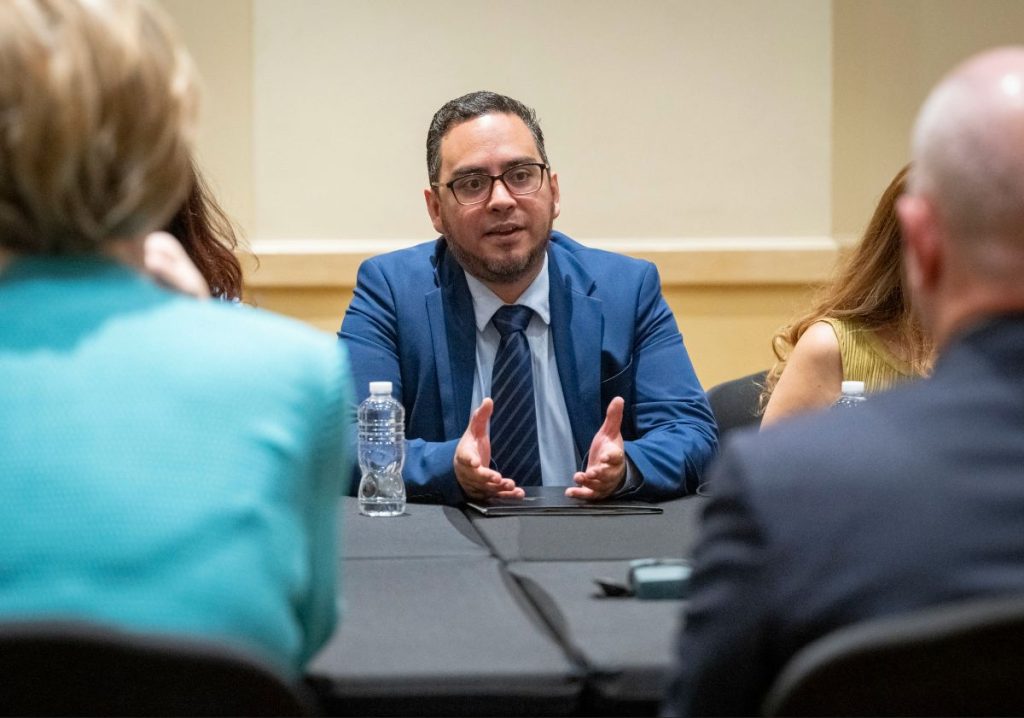
Honduran business etiquette is shaped by respect, hierarchy, family loyalty and personal trust, so formal greetings, polite address, careful relationship building and professional presentation all signal that you understand the values behind how business is done.
Business Etiquette in Honduras
Business etiquette in Honduras reflects respect, formality, personal warmth and awareness of hierarchy. The details may vary by region and sector, but courtesy and professional presentation are important across formal business settings.
Greetings and Introductions in Honduras
Greetings in Honduras should begin formally and respectfully.
- Use a handshake in formal business settings
- Greet people individually where possible
- Show respect to senior people first
- Allow time for polite conversation before business
- Use a warm but professional tone
- Wait for your counterpart to guide greater informality
Warmth and courtesy can sit together. Hondurans may be friendly and sociable, but business introductions should still show respect.
Titles and Forms of Address in Honduras
Titles communicate respect in Honduras and should be used until invited to become more informal.
- Use Señor for men and Señora for women, followed by the surname
- Use professional titles where appropriate
- Show particular respect to older people and senior figures
- Do not move too quickly to first names in formal settings
- Adapt once the relationship becomes warmer
Using titles correctly shows that you understand status, courtesy and professional identity.
Business Card Etiquette in Honduras
Business cards can help clarify role, status and organization in formal meetings.
- Bring business cards to first meetings
- Use a clear job title and organization name
- Offer and receive cards respectfully
- Consider Spanish language cards where useful
- Use cards to support clarity around roles and decision making
In family businesses, titles may not tell the whole story, but they still help establish professional identity.
Business Dress in Honduras
Business dress in Honduras varies by sector, climate and region, but polished professional presentation is safest in formal meetings.
- Dress conservatively for government, finance, legal or senior business meetings
- Use lighter professional clothing where climate requires it
- Maintain neatness and care in presentation
- Adapt to sector expectations in agriculture, manufacturing, tourism or fieldwork
- Do not assume casual settings remove the need for respect
Looking professional signals seriousness and respect for the relationship.
Gift Giving Etiquette in Honduras
Gifts are not central to Honduran business etiquette, but thoughtful gestures may support relationships once trust has developed.
- Keep gifts modest and appropriate
- Choose something thoughtful rather than expensive
- Consider gifts connected to your home country or organization
- Avoid anything that could look like pressure or obligation
- Use gifts to express appreciation, not influence
The relationship should come first. Gifts work best when they are part of genuine goodwill.

Food plays an important role in Honduran culture and social norms, with dishes such as baleadas, beans, tortillas, yuca, seafood and Garifuna coconut breads often used to show hospitality, create closeness and bring family, friends and business contacts together.
Social Etiquette and Cultural Norms in Honduras
Honduran social etiquette is shaped by family, closeness, hospitality, regional identity, faith and personal dignity.
Family and Social Closeness
Family and personal warmth are central to Honduran social life.
Relationships may become close over time, and people may show care through hospitality, conversation, food, introductions and practical support. The idea of cercanza, or closeness, is a useful way to understand this social warmth.
For international professionals, taking time for personal conversation can help. However, closeness should be allowed to develop naturally rather than forced too quickly.
Food, Hospitality and Social Life
Meals and hospitality can support relationship building in Honduras. Food varies by region and reflects Central American, Caribbean, Garifuna, rural and coastal influences.
Useful cultural references include baleadas, coffee, yuca, beans, tortillas, coconut bread, casabe, seafood and Garifuna dishes from the North Coast. Sharing food or coffee can create a more relaxed space for conversation and trust.
Hospitality should be accepted warmly and respectfully. Even when the business agenda is important, the social moment can help strengthen the relationship.
Regional Identity and Cultural Pride
Honduran identity is layered and regionally diverse. It includes mestizo, Indigenous, Maya, Garifuna, Afro Caribbean, Bay Island, Spanish influenced and Central American elements.
Copán is an important symbol of Maya heritage. Lenca, Miskito, Pech, Tawahka, Tolupan, Chortí Maya, Garifuna and Bay Island communities all add to the country’s cultural mosaic. The North Coast, Bay Islands, central highlands and eastern regions should not be treated as interchangeable.
Showing respect for this diversity helps avoid simplistic assumptions about Honduras.
Sensitive Topics in Honduras
Social awareness matters in Honduras, especially during early business relationships.
Avoid careless comments about politics, corruption, poverty, crime, gangs, land disputes, religion, US influence, migration or regional inequality. These topics may be important, but they can be sensitive when raised by outsiders or in early relationships.
It is better to show interest in Honduras’ people, regions, food, history, business energy and cultural diversity before moving into difficult subjects.
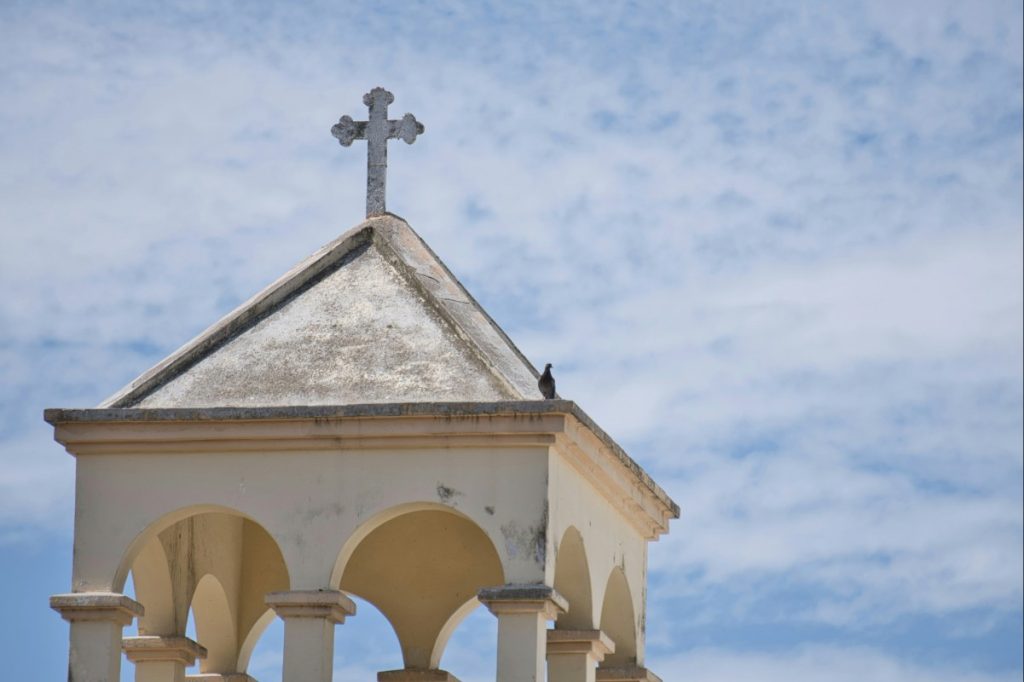
Religion plays a strong role in Honduran culture, with Catholic traditions and fast growing evangelical churches shaping family values, community life, public celebrations, moral expectations and the rhythm of social and working life.
Religion and Language in Honduras
Religion and language in Honduras reveal the country’s social values, regional diversity and changing cultural landscape.
Religion in Honduras
Christianity is highly influential in Honduras, shaping family values, public life, community identity and social expectations.
Roman Catholicism has historically been important, but evangelical Protestant churches have grown strongly. Churches may play a visible role in community life, moral values, holidays and family events. Religious identity can be more public than in some secular business cultures.
Honduras also has smaller Jewish and Muslim communities, especially in urban and commercial centers such as Tegucigalpa, San Pedro Sula and Cortés. The country should therefore not be described as simply Catholic, even though Catholic traditions remain important.
For business, religion may affect holidays, scheduling, social values and community engagement. It should be approached with respect and care.
Language in Honduras
Spanish is the official and dominant language of Honduras and the main language of business.
English is important in the Bay Islands, tourism, some North Coast communities, bilingual education and US linked business settings. Garifuna and Indigenous languages also form part of national identity, especially in specific regions and communities.
For international professionals, Spanish language support is valuable. Even where English is available, using Spanish greetings and providing Spanish language documents can show respect and reduce misunderstanding.
Key Facts About Honduras
- Location: Central America, bordering Guatemala, El Salvador, Nicaragua, the Caribbean Sea and the Gulf of Fonseca
- Capital: Tegucigalpa
- Population: Approximately 10 million
- Currency: Honduran lempira
- Climate: Tropical to subtropical, varying by coastal lowlands and interior highlands
- Government: Democratic constitutional republic
Cross Cultural Training for Working with Honduras
Commisceo Global provides practical cross cultural training for organizations working internationally. Our Honduras focused training can help teams understand the Honduran communication style, hierarchy, business etiquette, relationship building, negotiation expectations, community trust and workplace culture.
Whether your organization is working with Honduran colleagues, family businesses, suppliers, maquiladoras, agricultural exporters, tourism partners, NGOs, healthcare organizations or US linked operations, our training helps turn cultural insight into practical business behavior. Programs can be delivered as eLearning, webinars or workshops and tailored to Honduras, Central America or wider international business needs.

You might also like these articles…

Afghanistan Business Culture Guide
Afghan Business Culture: What International Professionals Should Know Contents hide Afghan Business Culture: What International Professionals Should Know Key Insights into Afghanistan Business Culture Doing…
Algeria Business Culture Guide
Algerian Business Culture: What International Professionals Should Know Contents hide Algerian Business Culture: What International Professionals Should Know Key Insights into Algerian Business Culture Doing…
Angola Business Culture Guide
Angolan Business Culture: What International Professionals Should Know Contents hide Angolan Business Culture: What International Professionals Should Know Key Insights into Angolan Business Culture Doing…